Food & Everyday Tables · Real Life in Japan
Japanese Bento: Homemade Lunches, Store-Bought Meals and Ekiben
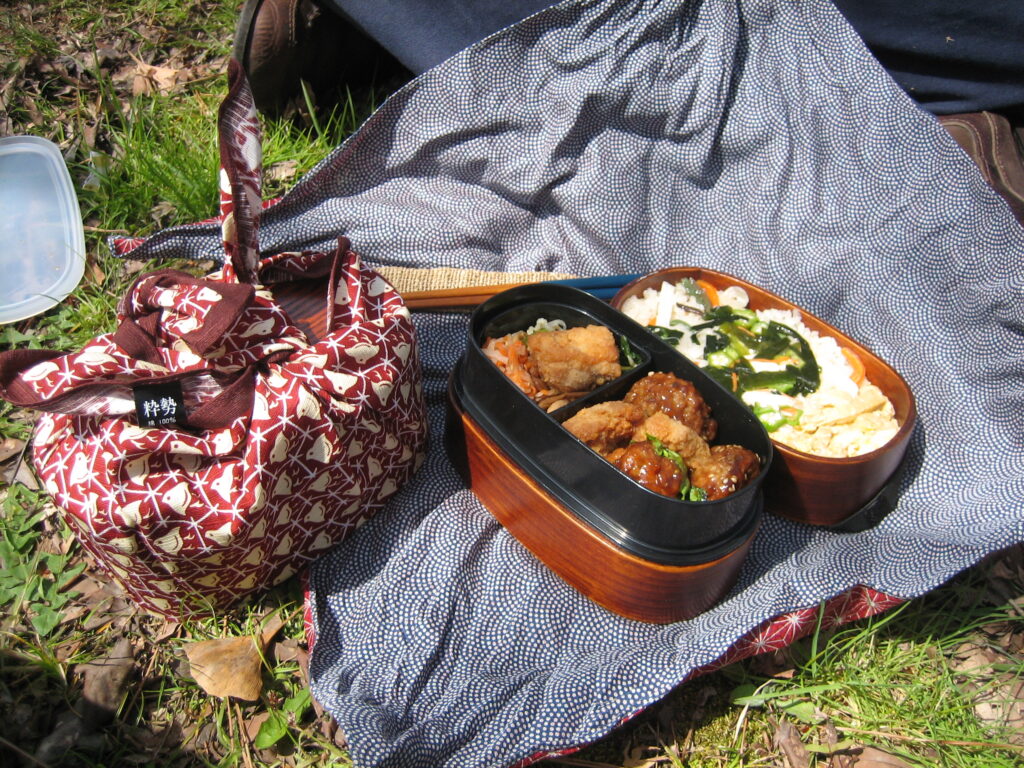
A bento is a meal packed in a container to eat elsewhere. In Japan, that can mean a homemade lunch, a shop-bought meal or an ekiben for a train journey.
LAYERS OF JAPAN · 9 minute read
At lunchtime in Japan, three people might open three very different boxes. One contains rice, an omelet and leftovers packed at home. Another is a supermarket lunch selected on the way to work. A third is an ekiben, bought at a station for a journey across the country.
Each is a bento (弁当). The word sounds familiar to many people overseas, often bringing to mind tiny portions arranged with almost impossible precision. Those carefully decorated lunches exist. But the everyday story of bento is larger, more practical and more human than the perfect photographs suggest.
In Japan, a bento is not one recipe. It is a way of carrying a meal into the rest of life.
1. What Is a Japanese Bento?
A bento is usually an individual meal packed into a container to be eaten away from the place where it was prepared. Rice and side dishes are common, but there is no single required combination. You might find fried chicken, grilled fish, vegetables, an egg dish or a simple serving of rice with pickles.
Containers range from a reusable household lunch box to an inexpensive tray with a clear lid, a wooden box or a beautifully designed regional package. The portions can be modest or substantial. What connects them is the practical idea of a meal prepared in advance and taken somewhere else.
Unlike a formal restaurant meal, bento is shaped by time and movement. It has to survive the trip. Someone needs to open it at a desk, outdoors, on a school outing or while traveling. That constraint has helped create a remarkably varied food culture.
2. The Homemade Bento: Familiar Food in a Small Space
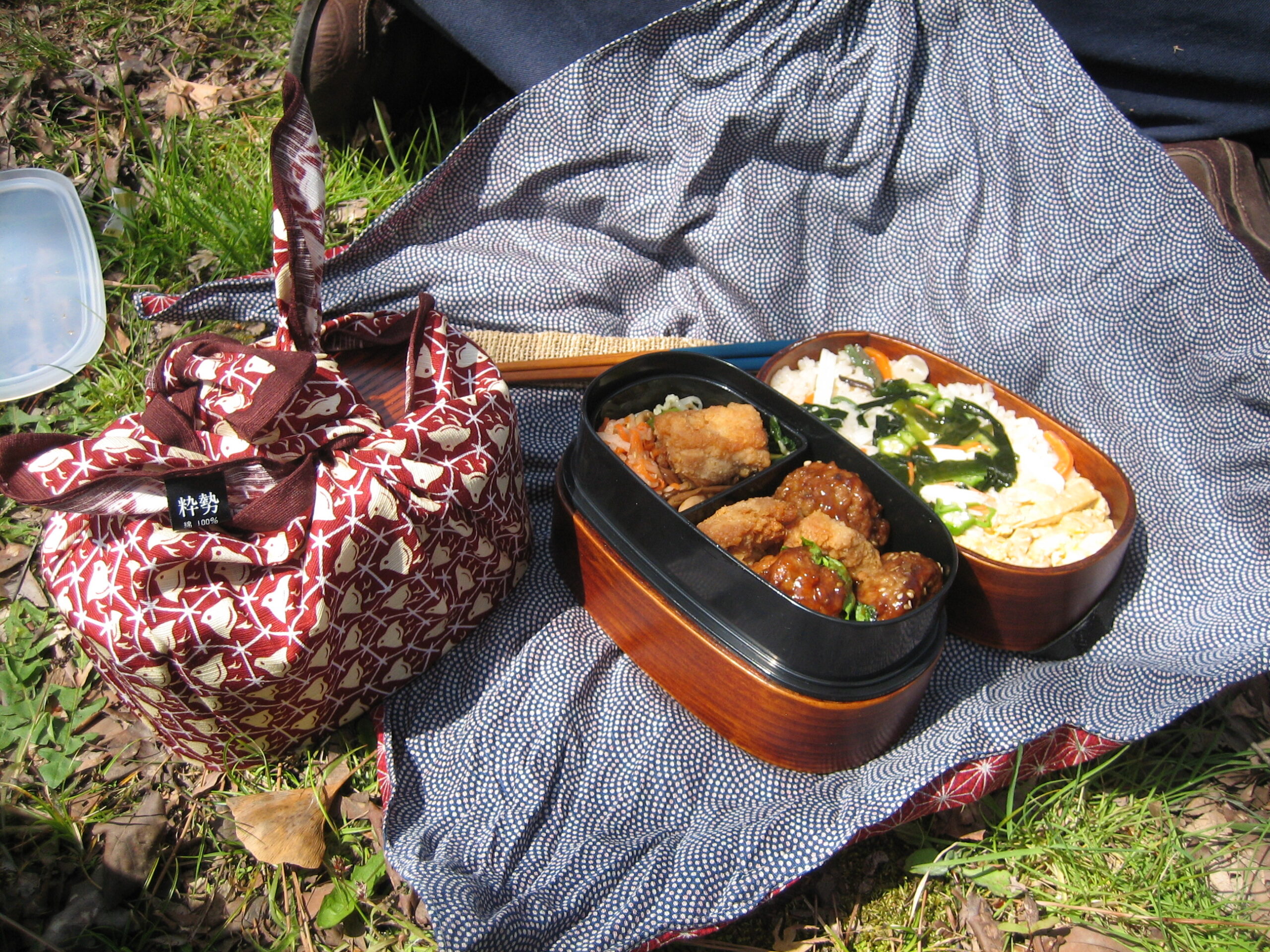
For many households, packing a lunch does not mean starting a complicated cooking project at dawn. A bento might contain last night’s cooked vegetables, rice prepared earlier, a rolled omelet and something quickly fried or reheated. The contents depend on the household and the day.
There is a simple visual pleasure to the arrangement: little portions sitting next to one another, colors balanced by what happens to be in the refrigerator. Separators and small cups can prevent flavors from mixing. A few people enjoy making the box beautiful; others care mostly that the food tastes good and stays safe.
The same person might make a careful lunch for a special outing and a very plain one the next day. A box packed for a child may look nothing like one packed for an adult. This is everyday food, and everyday food changes with circumstance.
Sometimes there is affection in the details: someone’s favorite tamagoyaki, a small extra snack, a note tucked alongside the container. Sometimes there is simply an efficient use of ingredients. Both deserve a place in the story.
3. Not Every Japanese Student Brings a Bento
Outside Japan, it is easy to imagine rows of schoolchildren opening matching lunchboxes every day. But school lunch varies by school type, municipality and age group.
Many children in public elementary schools, and many in public junior high schools, eat kyūshoku: meals provided through the school lunch system. Students may help serve the food and clean up afterward. Nursery schools, high schools and private schools can have different arrangements, and some students do bring food from home or buy lunch.
That distinction matters because photographs of children’s bento often travel farther than explanations of the actual school system. A lovingly prepared lunch can be part of growing up in Japan, but it is not the universal daily experience of every Japanese child.
For a closer look at the other side of Japanese school food, read our story about why students serve their own school lunch.
4. The Shop-Bought Bento: Ordinary, Useful, Everywhere
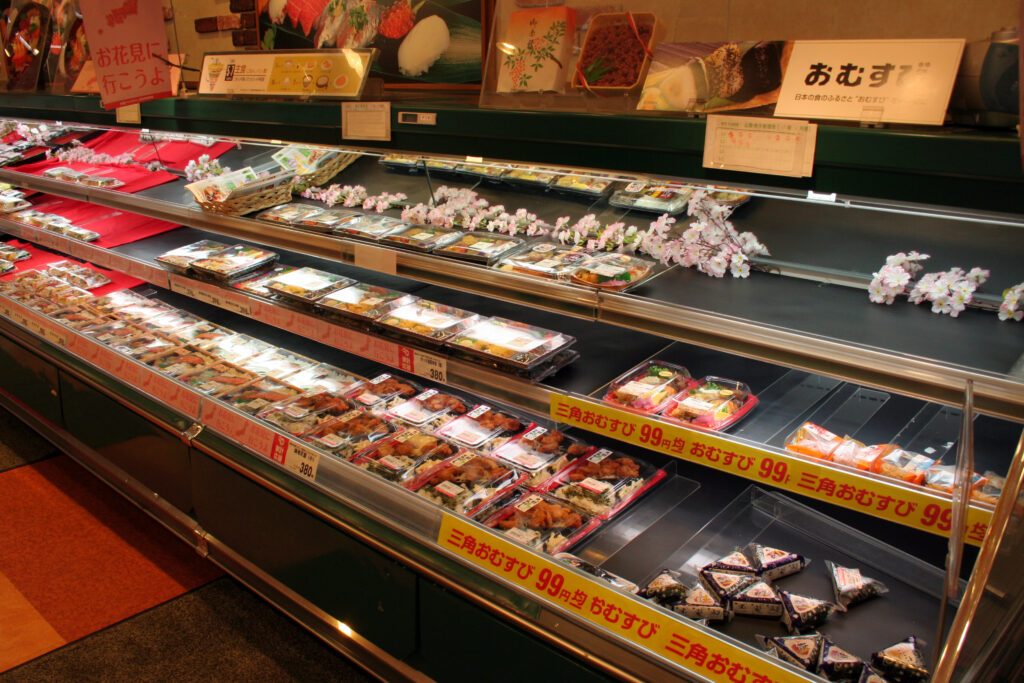
Now imagine someone with a short lunch break and no time to cook. They may stop at a supermarket, convenience store or prepared-food counter and choose a bento that is ready to eat. It might contain rice with a main dish and vegetables, or a completely different combination suited to the shop.
This is not a second-class version of Japanese food. Buying a lunch is a normal choice in modern Japan, where commuting, work schedules and the price of ingredients affect how people eat. Some customers plan to purchase a bento; others make the decision only after seeing what is available.
Shops offer variety because their customers need different things. One person wants a filling lunch, another a smaller meal, and another something that can be eaten quickly between errands. Menu choices, packaging, prices and ingredients change, so no single store display stands for Japan as a whole.
5. From the Konbini to the Department-Store Basement
A Japanese convenience store is designed around speed. At a konbini, a bento may sit beside sandwiches, onigiri and other ready-made food. Refrigeration, packaging and efficient distribution make this kind of lunch part of the infrastructure of ordinary life.
At a department store’s depachika, the experience can be different. Food counters may display carefully arranged take-home dishes, regional specialties and seasonal offerings. A prepared meal can feel like a small indulgence rather than merely a quick solution.
Yet the boundary between everyday convenience and pleasure is not fixed. Someone might buy an inexpensive bento as a treat after a long week, or select a lovely package because they are visiting family. There are many reasons to choose something already prepared.
For more about the places where food meets everyday life, explore our stories on Japan’s convenience stores and the depachika.
6. Ekiben: A Region You Can Carry onto a Train
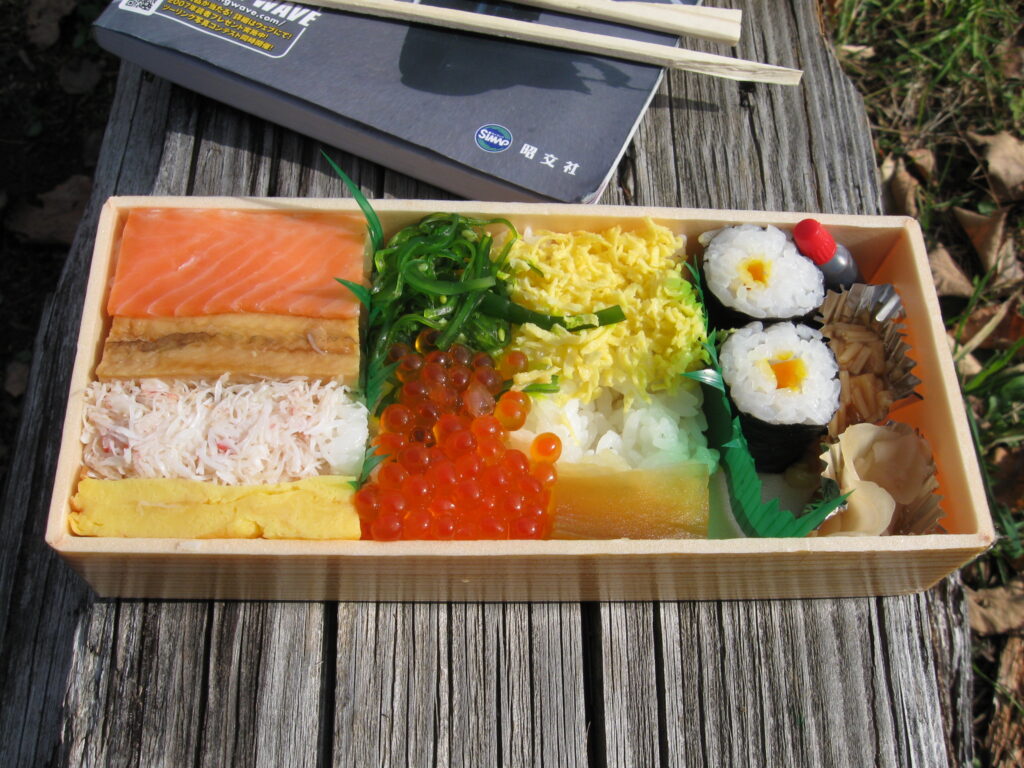
One of the most distinctive versions of the boxed meal is the ekiben (駅弁), a bento associated with railway stations and train journeys. The name combines eki (station) and bento.
Railway travel helped this food culture grow in the late nineteenth century. Accounts often point to an early railway-station lunch sold at Utsunomiya in 1885, although histories of the first ekiben are not entirely uniform. What matters is the relationship between regional food and the freedom to travel farther.
An ekiben may introduce local seafood, vegetables, meat or a regional rice dish. The packaging can refer to the area where the meal is sold. Selecting one before a long journey is a small form of anticipation: the landscape outside the window is changing, and so is the food on your lap.
There are practical differences among trains. Eating a packed lunch is generally accepted on many long-distance trains, while crowded local commuter services are a different setting. Check what is appropriate for the particular journey rather than assuming every train is a restaurant.
7. Bento Has a Longer History Than the Plastic Tray
Portable food in Japan has a long history. Dried rice and other foods could be carried on journeys in earlier centuries, while boxed meals later developed in settings such as theater, travel and outdoor gatherings. The forms changed according to available materials and people’s needs.
The Japan External Trade Organization’s overview of bento history traces the development of railway lunches and the appeal of containers associated with different regions. It is tempting to draw an unbroken line from an old wooden box to a convenience-store tray, but the food has changed profoundly along the way.
Modern bento culture includes reusable containers, disposable packaging, machine-produced meals and very small independent food businesses. It is simultaneously traditional and adaptable. That is why a meal designed to travel has remained useful through so many changes in the way people live.
8. Beautiful Boxes—and the Work Behind Them
Search for Japanese bento online and you may find rice shaped into animals, tiny vegetables cut into flowers and elaborate kyaraben—character-themed lunchboxes. They can be playful works of craft. But they should not become the standard by which a normal lunch is judged.
The effort required to prepare food can be unevenly distributed within households. Researchers have examined how ideas about motherhood and a ‘good’ lunch can create pressure, especially when the presentation of a child’s food is treated as evidence of care. These expectations are neither shared by every household nor limited to one generation.
For someone preparing food before work, choosing a simpler lunch or buying one can be the most sensible decision. There is no moral hierarchy in which elaborate homemade food always shows more love than a practical meal purchased on the way to school or work.
A bento may express care. But care should not have to look like a perfectly arranged photograph.
9. Carrying a Meal Safely
A bento’s portability is useful, but it also brings a practical responsibility. Food may sit for hours between preparation and eating, and warmth can increase the risk of foodborne illness.
Japan’s Ministry of Agriculture, Forestry and Fisheries advises cooling cooked food before packing it, reducing excess moisture, using clean utensils and storing lunches in cool conditions. For longer travel or warm weather, insulated bags and ice packs can help. Food prepared the previous day should be handled and reheated appropriately before packing.
That is worth remembering when a tempting photograph shows rice and side dishes arranged in an open box. A beautiful lunch still needs safe preparation and storage. Follow the instructions for purchased food and avoid leaving perishable meals in the heat.
10. The Ordinary Meal Is the Real Story
Think of the three boxes again. A homemade lunch carries the habits of one household. A supermarket bento reflects work schedules, food production and the convenience of having a choice. An ekiben turns a train journey into a chance to taste a region.
None is a complete portrait of Japan on its own. Together, they suggest a culture in which food travels through many different kinds of day: a family outing, a short work break, a school event, a train ride or a moment when someone has simply run out of time.
The details are not always glamorous. There is washing up, packaging to throw away, a train to catch, an alarm set early and a budget that matters. There can also be pleasure: opening a favorite lunchbox, discovering a good seasonal dish or watching scenery pass while eating.
Perhaps the most interesting thing about a Japanese bento is not how beautifully it fits inside a box—but how naturally it fits into people’s lives.
Bento: Three Quick Questions
Does every Japanese bento contain rice? No. Rice is common, but meals vary by shop, region and household.
Do Japanese children eat homemade bento at school every day? No. Many schools provide kyūshoku. Lunch arrangements vary with age, school type and locality.
Is a supermarket bento less authentic? Not at all. Store-bought meals are part of everyday Japanese food culture, just as homemade food is.
Keep Exploring Everyday Japan
The cloth beside a lunchbox has a story of its own. Explore furoshiki, Japan’s reusable wrapping cloth, and the ways it carries food, gifts and everyday belongings.
If you would like to see another side of ordinary meals, read what Japanese people really eat at home or explore why onigiri is so familiar in Japanese life.
Sources & Further Reading
- JETRO — History of the Japanese Bento, an “Offering” of Love and Care. Portable meals, historical forms and regional ekiben.
- Japan National Tourism Organization — Experience Japan’s Local Ekiben Culture. Railway lunches and regional food traditions.
- Ministry of Agriculture, Forestry and Fisheries — The History of School Lunches (Japanese). The development of Japan’s school lunch system.
- Ministry of Agriculture, Forestry and Fisheries — Preventing Food Poisoning When Preparing Bento (Japanese). Safe preparation and storage guidance.
- Anne Allison — “Japanese Mothers and Obentōs,” in Permitted and Prohibited Desires (2000). Scholarly discussion of bento-making, gender expectations and social pressure.
Editorial note: Opening scenes are illustrative rather than reported accounts of particular people. Families and schools differ, and no one example represents all of Japan. Documentary photographs were shared or taken in 2007–2009; food products, shop displays and prices shown in them are not current. Prepared October 16, 2026.