Food & Everyday Tables · 4 minute read
Inside the Depachika: Japan’s Department-Store Food Halls
Dinner, a small indulgence or a gift to take with you. A department-store basement offers another way into Japanese food culture.
LAYERS OF JAPAN
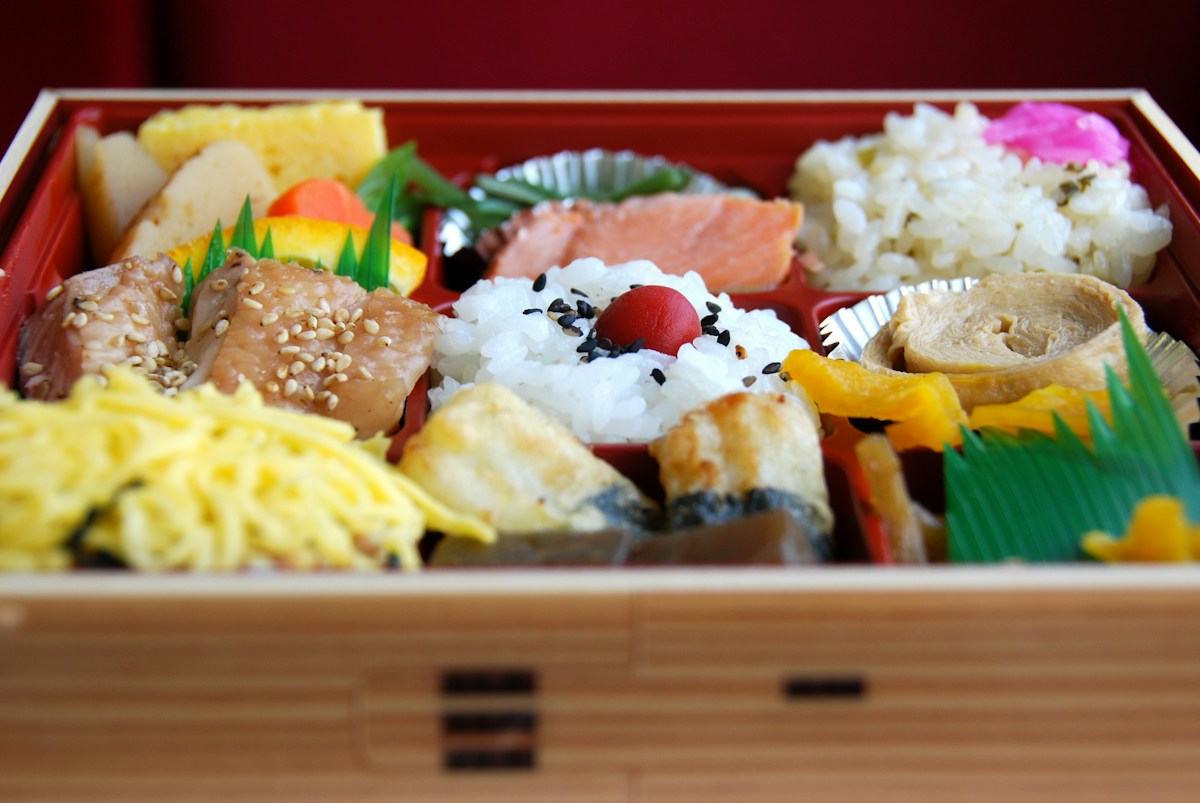
A department-store basement is an unexpectedly good place to begin looking at food in Japan. Here, the practical question of what to eat can sit beside the more pleasurable question of what to take to someone else.
These food floors are known as depachika. The Japan National Tourism Organization’s guide describes a mix of fresh ingredients, prepared meals, confectionery and drinks, often in locations connected to railway stations. A food hall can be a stop in an ordinary journey, rather than a separate expedition.
Three ways to read the same floor
Start with dinner. Bento boxes offer a meal already put together; deli counters let you choose individual elements. A box or a few small dishes may tell you more about the rhythm of an evening than a restaurant tasting menu could.
Next, look at the sweet counters. The question changes from “What shall I eat?” to “What would I like to share?” Pay attention to the scale of the portions and the presentation. Food can be something enjoyed immediately, carried to a visit or saved for a quiet moment later.
Finally, consider the ingredients. The food hall is also a place to buy things that still need cooking. That overlap is part of its appeal: a finished dish and the beginnings of another can be only a short walk apart.
A concrete example: Isetan Shinjuku
Isetan’s own floor information separates its Fresh Market from its prepared-food and bento counters. Its Food Collection is a further space for food events. The store’s Food Index is the place to check its current features.
Those distinctions are worth noticing. “Japanese food” does not occupy a single, sealed category. Specialist counters and different styles of cooking can coexist, each answering a different appetite or occasion.
A gentle approach to a first visit
Give yourself time to look before choosing. Begin with one purpose: a meal, one small treat or a gift. It is easier to enjoy the variety when you are not trying to understand the entire floor at once.
If you want a meal, compare a complete bento with a combination of individual dishes. If you are buying for someone else, think about when it will be given and how it will be carried. Ask the counter staff about storage, packaging and anything else you need to know about the specific item.
For a calmer visit, JNTO suggests avoiding the main lunch and dinner periods. Check the department store’s own website for current hours and facilities, and ask where you can eat your purchase. A food counter does not necessarily come with a place to sit.
What makes it worth looking at
A depachika brings food into the flow of a day: the journey home, a train trip, a visit, an evening when cooking feels like too much. Its value as a cultural subject lies in those connections.
You do not need to buy the most elaborate thing in the room. One carefully chosen dish is enough to start asking useful questions: who is it for, what will it sit beside, and what kind of moment will it become part of?
For the wider picture, read what everyday eating in Japan can look like.