Food & Everyday Tables · 4 minute read
No, Japanese People Don’t Eat Sushi Every Day.
Curry, rice bowls, leftovers and something picked up on the way home: a closer look at everyday eating in Japan.
LAYERS OF JAPAN
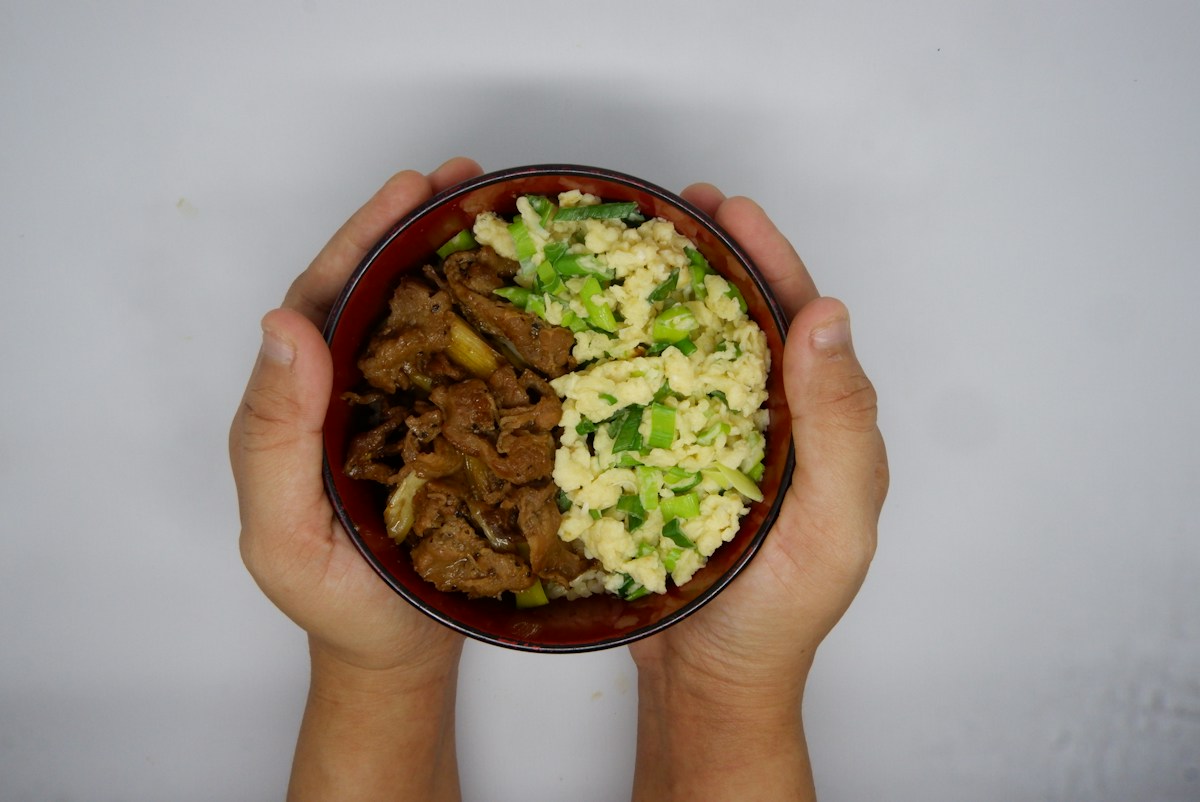
What does an ordinary dinner in Japan look like? The answer changes with the household, the day and the person doing the cooking. It might be rice and grilled fish. It might be curry, noodles or a meal assembled from something homemade and something bought on the way back.
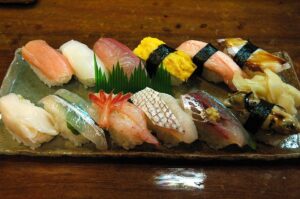
Sushi belongs in the picture. It simply cannot stand in for the whole picture. To understand everyday food in Japan, it helps to look beyond the dishes that travel best as symbols.
A useful starting point: rice, soup and a few dishes
One familiar framework is ichiju sansai, often translated as “one soup, three dishes,” alongside rice. The Ministry of Agriculture, Forestry and Fisheries’ introduction to washoku describes this arrangement and the different cooking methods that can give a meal variety.
Think of the framework as a way to read a table, rather than a promise about every dinner. A small bowl of vegetables, soup and a piece of fish make more sense together when you understand the role of the rice. But a beautifully balanced diagram does not tell you how much time someone had to cook on a Tuesday.
A family meal, dinner for one and a late meal after work can look very different. There is no reason to treat a simpler plate as a less authentic piece of life.
Curry belongs in the story, too
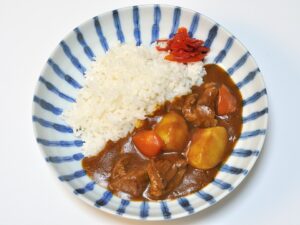
Japan’s food culture has room for dishes shaped by contact with other cuisines. MAFF’s account of Yokosuka navy curry calls curry rice a popular home-style dish. That is a useful corrective to the idea that a Japanese kitchen must always produce a delicate, formally arranged washoku meal.
A bowl of curry and rice can be a whole dinner. Noodles can be the center of a meal. Breakfast need not resemble the elaborate breakfast served at a traditional inn. The interesting question is how food fits into a particular life.
Bought and homemade can share a table
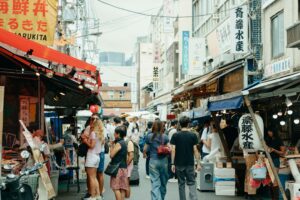
Prepared food is another part of the picture. At Isetan Shinjuku, for example, the official prepared-food and bento directory brings together rice dishes, deli food and a wide range of specialist counters. These are possibilities for taking food home as well as for finding a ready-to-eat lunch.
Imagine cooking rice at home and adding a purchased side dish. Or heating yesterday’s soup beside a fresh rice bowl. These are illustrative combinations, not a claim that all households eat alike. They show why the line between cooking and buying dinner can be less interesting than the finished meal.
How to look a little closer
When you look at a menu or a food counter, ask which dishes are complete meals and which are intended to sit beside something else. Notice the plain rice as well as the elaborate topping. Look for vegetables, soup and the small portions that could fill out a table.
Then leave room for differences in taste, budget, region, age and working hours. A country’s everyday food is not a single menu waiting to be discovered.
The next time someone asks what Japanese people eat, a better answer may begin with another question: on which day, and in whose home? That is where the more interesting story starts.
Continue exploring
Our next stop is the depachika: Japan’s department-store food hall, where an ordinary meal and a beautifully wrapped gift can begin on the same floor.