Food & Everyday Tables · Culture & Traditions
What Do Itadakimasu and Gochisousama Really Mean?
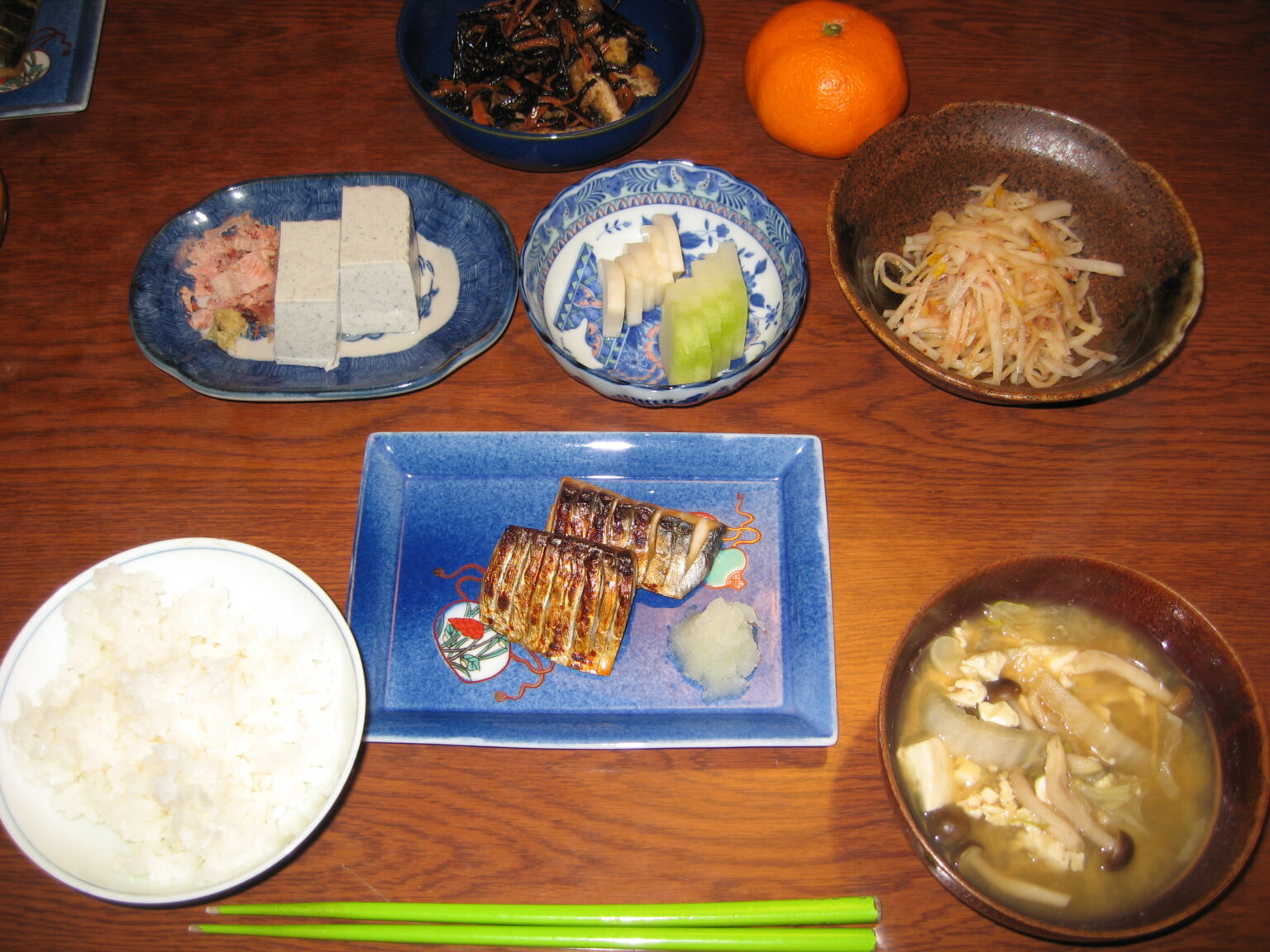
Two small phrases frame countless meals in Japan. Between them lies a way of noticing the people, ingredients and everyday work that make eating possible.
LAYERS OF JAPAN · 9 minute read
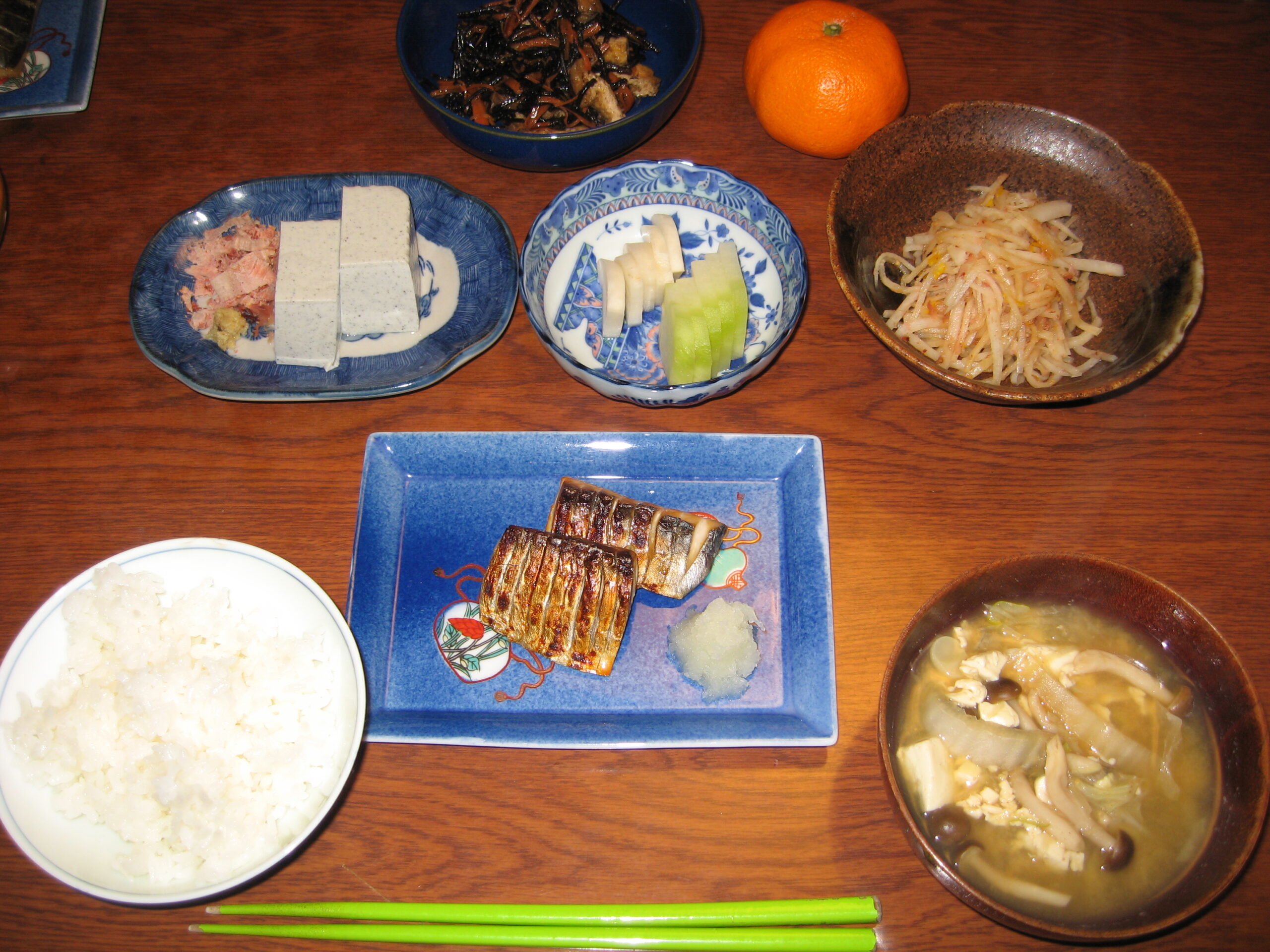
A bowl of rice is on the table. Soup has been poured, the chopsticks are waiting, and someone is about to begin eating. Before the first bite, a familiar phrase may be heard: itadakimasu.
Later, when the meal is finished, there may be another: gochisōsama deshita.
To someone who has never lived in Japan, these can sound like special rules that must be memorized. But in many Japanese homes they are such ordinary words that nobody pauses to explain them. A child learns them, a family repeats them, and an adult may whisper them even when eating alone.
They are often translated as “let’s eat” and “thank you for the meal.” Those translations are useful beginnings, but they miss something worth understanding.
The two phrases are not simply about beginning and ending a meal. They invite us to notice what it took for that meal to exist.
1. What Does Itadakimasu Mean?
Itadakimasu (いただきます) comes from itadaku, a humble verb meaning to receive or accept something respectfully. In the context of food, “I humbly receive” is closer to its grammatical sense than the cheerful English phrase “let’s eat.”
In everyday life, however, no one needs to pause and analyze the verb before taking a bite. It can simply be what someone says as a meal begins. A group may say it together. A person eating by themselves may say it quietly, or perhaps not at all.
Why receive? One answer is that the food has been given through the work of many hands: someone grew the rice, carried the vegetables, caught the fish, stocked the shop or prepared the meal. Another answer looks even further back, toward the plants and animals that became ingredients.
Japan’s Ministry of Agriculture, Forestry and Fisheries describes the phrase as expressing appreciation for nature’s gifts and for the lives that nourish us. This is an important interpretation taught through food education, even if individual speakers are not consciously thinking through every layer each time they eat.
2. Is It a Prayer?
You may have seen someone bring their palms together as they say itadakimasu. The gesture is recognizable in Japan, and it can make the moment appear religious to an overseas visitor.
There are connections between ideas of gratitude for food and the country’s Buddhist, Shinto and broader cultural traditions. Yet it would be misleading to say that every modern Japanese person is performing a religious prayer at the table.
For some, the words are meaningful; for others, habitual. They may express gratitude without any particular religious identification. And not everyone joins their hands—practice varies between families, people and situations.
What is visible is a small pause before eating. The deeper feeling behind it belongs to the person saying the words.
3. What Does Gochisousama Mean?
At the end of the meal comes gochisōsama (ごちそうさま), often heard in the fuller past-tense form gochisōsama deshita (ごちそうさまでした). In conversation, it is a way of saying “thank you for the meal.”
There is an interesting story inside the word. The characters in chisō (馳走) refer to running or rushing about. The expression came to be associated with the effort involved in obtaining and preparing food for a guest, and the word gochisō is also used for a feast or a special treat.
The phrase therefore thanks more than the finished dish. It can acknowledge the trouble someone went to, even if the meal looked effortless when it reached the table.
If a friend has cooked dinner, saying gochisōsama is a natural way to show appreciation. In a restaurant, diners may say gochisōsama deshita to the staff as they leave. It is polite and friendly, but visitors are not required to perform it to be welcome.
4. The Words Children Grow Up Hearing
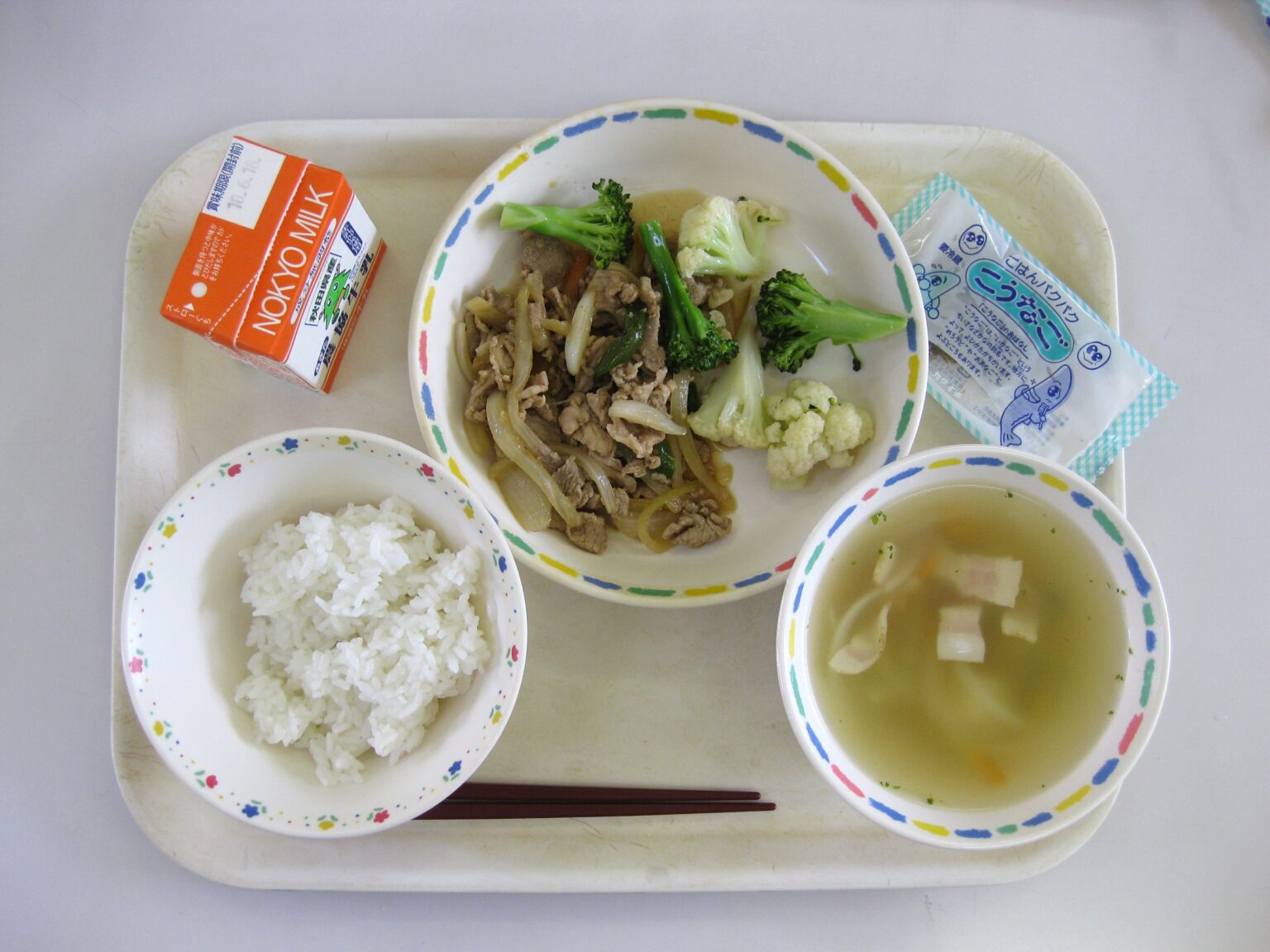
Many children in Japan encounter these greetings long before they are old enough to understand abstract ideas about nature, labor or gratitude. They copy the adults around them. At a daycare or school, saying itadakimasu together may become part of the rhythm of lunchtime.
That routine is an opportunity for adults to discuss why food deserves care. The Ministry of Agriculture, Forestry and Fisheries encourages families to explain that ingredients have a history and that many people have helped bring them to the table.
Still, Japanese school lunches are not identical everywhere. Some schools provide meals through the kyūshoku system, others have different arrangements, and customs differ by school and household. A familiar greeting should not be confused with a nationwide script followed in exactly the same way.
In practice, a child may say the words loudly with classmates, then hurry straight into lunch. The meaning can deepen later, through experience, rather than arriving fully formed at the age of five.
5. Who Are We Thanking?
Imagine a simple bowl of rice. Before it reaches a home, someone must grow the crop, look after the fields, harvest it, process it, transport it and sell it. Someone must buy the rice, wash it and cook it. The resulting bowl is ordinary because all of that work happens so reliably that it is easy to forget.
The same is true of vegetables, fish, meat and the many other ingredients in a meal. Saying itadakimasu can be a reminder that eating depends on lives, landscapes and labor beyond our view.
Gochisōsama turns attention back toward those who made the meal possible and the time they gave to it.
This does not mean that a person who forgets the words is ungrateful. A spoken greeting is just one way of expressing appreciation. Someone may show the same care by helping wash the dishes, using leftovers well, or thanking a cook directly.
6. What Happens at a Restaurant?
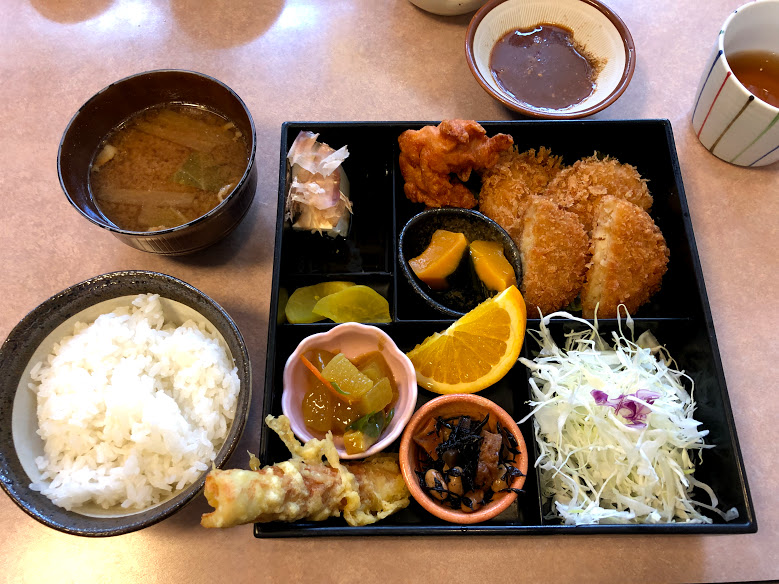
At a restaurant, the words may be used more casually than a foreign visitor expects. A diner may sit down to a set meal, say itadakimasu quietly and start eating. A family may say it together, while a group of friends simply reaches for their chopsticks.
Afterwards, someone might tell the server gochisōsama deshita when paying or walking out. It is not exactly the same as thanking a person who invited you to dinner at home, but the underlying appreciation is similar.
These greetings are not passwords required for entry into Japanese dining culture. Visitors can use them if they wish, and speaking sincerely is better than making a performance out of unfamiliar customs.
7. Is This How Everyone in Japan Eats?
No. Japan is not a single household, and customs are not identical among its residents. Some families place great importance on saying the greetings. Others are relaxed about them. Someone eating in a hurry may forget; someone dining alone may feel no need to speak aloud.
Many people recognize the expressions even if they do not use them consistently. A formal interpretation of the words should not be mistaken for evidence that everyone pauses to consider the entire food supply chain before every meal.
What makes the phrases interesting is not perfect consistency, but their continuing familiarity in a country where everyday diets are changing. The greetings may surround a homemade bowl of rice, a supermarket bento or food delivered to the door.
As with other traditions, the form can remain recognizable even as people’s lives become different.
8. How Are They Different from “Enjoy Your Meal”?
The French bon appétit or English “enjoy your meal” is often directed toward another person who is about to eat. Itadakimasu is usually spoken by the person receiving the food, even when there is no one else at the table.
That difference in direction is small but revealing. Rather than wishing a pleasant meal to someone else, the speaker acknowledges the meal they are about to receive.
Similarly, gochisōsama deshita is more than a statement that the food was delicious. It can express thanks even after a very ordinary meal. If the food tasted wonderful, a person may additionally say oishikatta desu—“It was delicious.”
These are approximate translations, not one-to-one equivalents. Language carries habits of expression that rarely fit neatly into another language.
9. Two Phrases for Busy Modern Lives
Food in Japan today may come from a family kitchen, a convenience store, a department-store basement or an online order. Someone may eat with several generations around a table, with colleagues at lunch, or alone between shifts.
It would be easy to call a home-cooked dinner traditional and a packaged meal modern. But the act of accepting food and thanking those responsible for it can apply to both.
The two expressions offer a gentle way to connect the meal that appears in front of us with the work that happened elsewhere. They do not erase the realities of busy households or the unequal effort sometimes involved in cooking. In fact, acknowledging the work of preparation can make that labor more visible.
That is one reason the greetings have room to matter even when meals become faster and more convenient.
10. A Beginning and an Ending
Return to that dinner table. The soup is still warm. Someone picks up the chopsticks, and the conversation pauses just long enough for itadakimasu.
At the end, the plates have changed. What was prepared is now eaten, and an ordinary part of the day has passed. Gochisōsama marks that moment, whether it is spoken to another person or simply to oneself.
There is no need to romanticize every family meal in Japan. Dinners can be noisy, rushed, distracted or imperfect. But these familiar words hold open a possibility within the routine.
One says, “I receive.” The other says, “Thank you.” Between them is an everyday meal—and all the life that made it possible.
Quick Questions
When do you say itadakimasu? Just before you begin eating.
When do you say gochisōsama? When the meal is finished. Gochisōsama deshita is a common polite form.
Do you have to put your hands together? No. Many people do, but practices vary.
Are travelers expected to say these words? No, although using them naturally can be a friendly gesture.
Explore More Everyday Japan
For more stories about food and the lives around it, read what Japanese people really eat at home, discover the many stories behind onigiri, or explore homemade and store-bought bento. For the school-lunch perspective, see why Japanese students serve their own school meals.
Sources & Further Reading
- Ministry of Agriculture, Forestry and Fisheries — The Meaning Behind Itadakimasu and Gochisōsama (Japanese). Gratitude to food, nature and people involved in preparing it.
- Ministry of Agriculture, Forestry and Fisheries — Food, Nature and Living Things (Japanese). Food education and acknowledging lives and labor.
- Nippon.com — Itadakimasu: A Japanese Phrase for Expressing Gratitude Before Eating (July 2026). Common usage at home and in restaurants.
- Japan National Tourism Organization — Understanding and Mastering Japanese Manners and Etiquette. English-language visitor guidance.
- Nippon.com — Chopsticks Manners and Traditional Japanese Beliefs. Context for table gestures and gratitude.
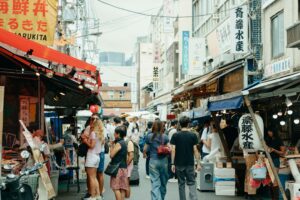
Editorial note: The opening and closing scenes are illustrative, not reports about identifiable individuals or households. Mealtime practices vary by person, generation, family, and setting. The documentary photographs were taken in 2010, 2017, and 2019, and do not depict specific people speaking the greetings. Prepared October 16, 2026.