Food & Everyday Tables · Real Life in Japan
Kissaten in Japan: Coffee Shops, Cafés and Everyday Life
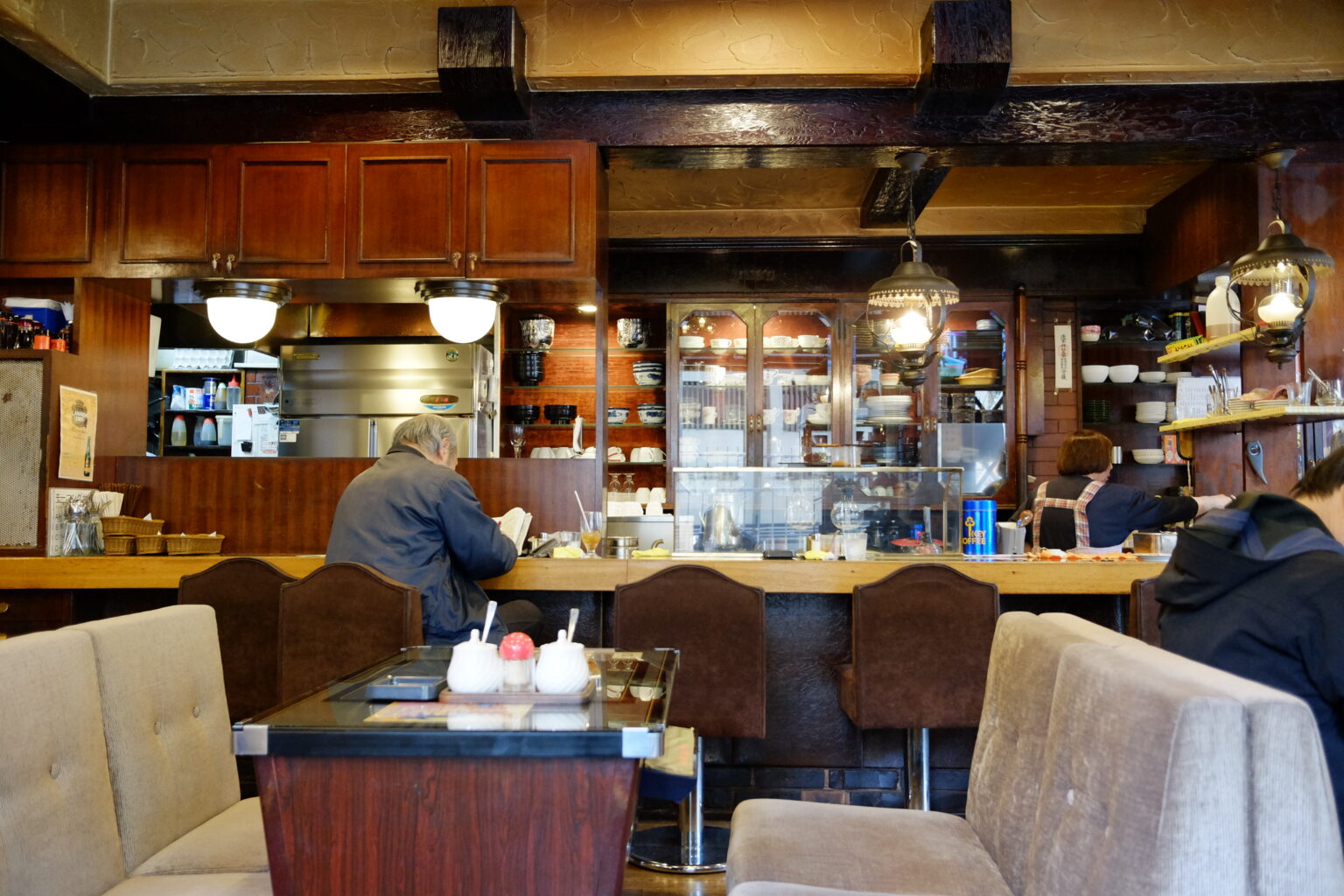
A kissaten is a Japanese coffee shop, often associated with a traditional style. Discover its morning sets, familiar dishes and the everyday life behind the counter.
LAYERS OF JAPAN · 9 minute read
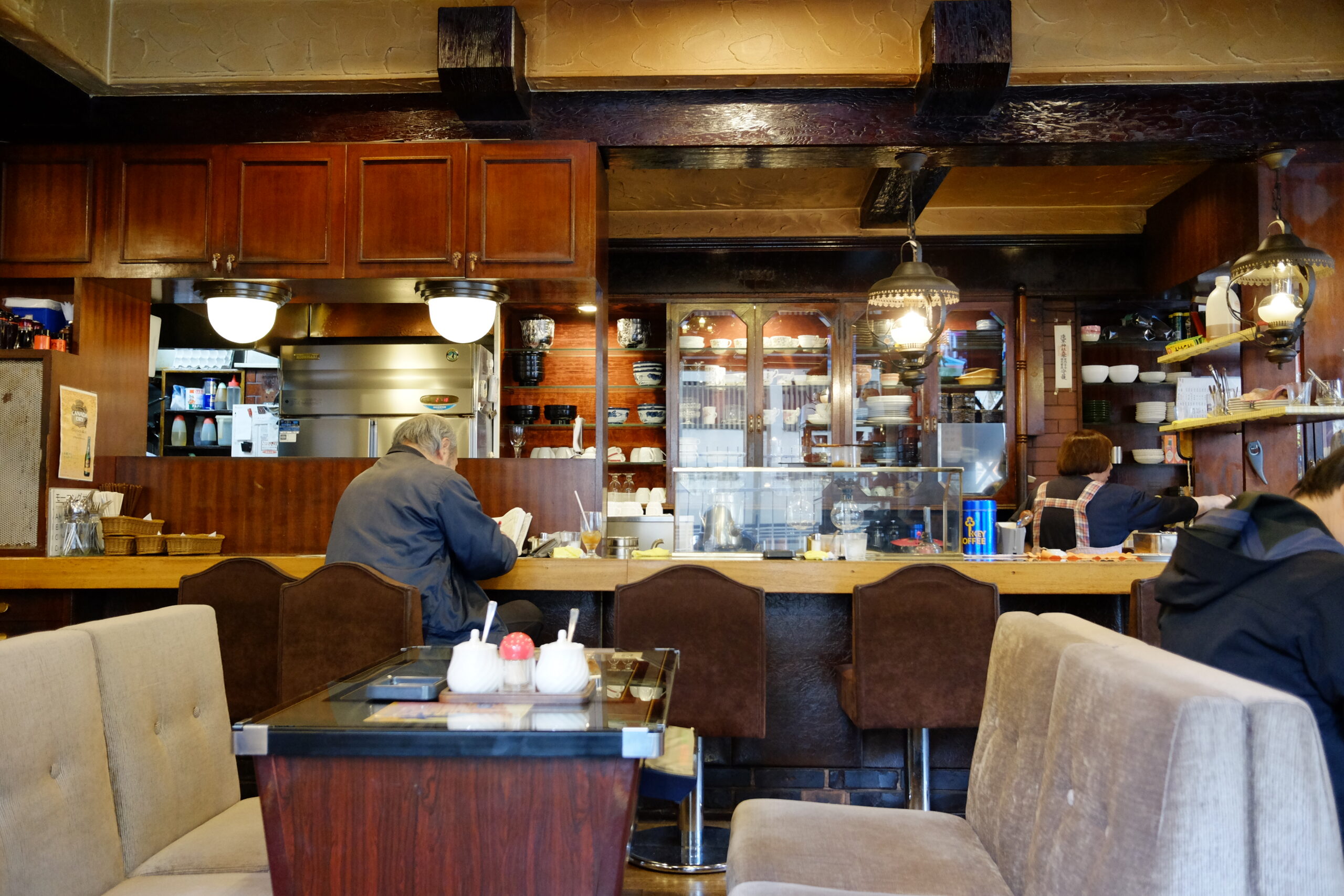
Step off a busy street in Japan and you may find yourself in a small room with dark wooden furniture, a glass cabinet and a counter where a single person prepares coffee. Somewhere a newspaper is folded. There is music, but it is not loud enough to demand attention. The menu might look as though it has been there for decades.
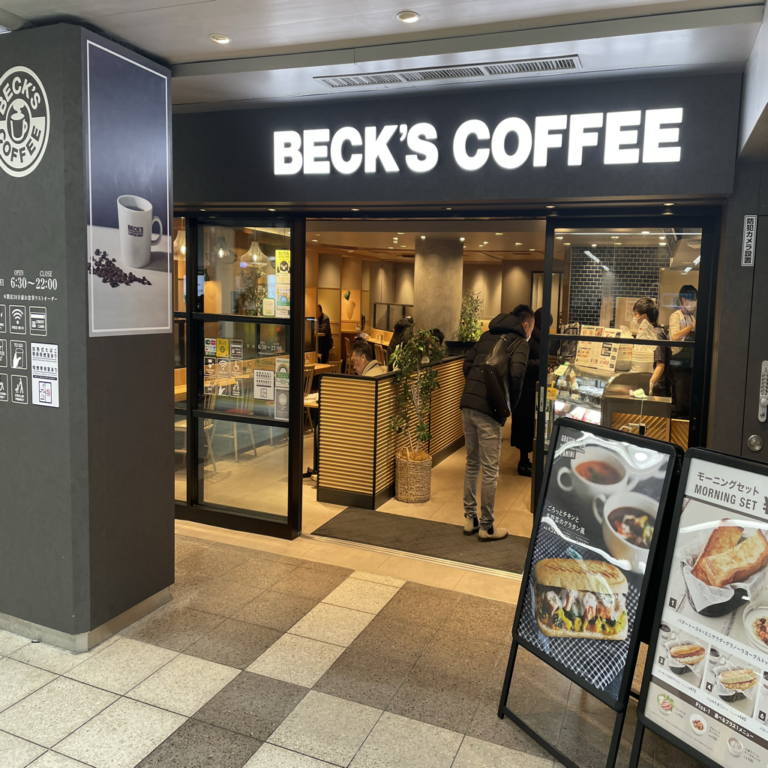
Walk a few blocks farther and another coffee shop feels entirely different. Its doors open onto a bright counter. A customer orders a latte, someone waits for a takeaway cup, and a train departure time matters more than the furniture.
Both are part of Japanese coffee culture. Yet people may describe the first as a kissaten (喫茶店) and the second as a kafe (カフェ), the Japanese word borrowed from “café.”
The names overlap, and neither is an official guarantee of the kind of experience inside. But their differences reveal a great deal about how Japan has worked, rested and found small spaces of freedom.
To understand Japan’s coffee shops, it helps to ask not only what people drink there, but what they are allowed to do with their time.
1. What Is a Kissaten, and How Is It Different from a Café?
The word kissaten can be translated simply as “coffee shop” or “tearoom.” In modern conversation it often suggests an older, independent establishment with its own atmosphere: familiar cups, a counter, newspapers, a short food menu and a sense that customers are invited to sit rather than pass through.
The Japan National Tourism Organization describes the variety of these older shops, from ornate interiors to intimate counters where a customer watches coffee being prepared. Some have upholstered booths and low light; others are modest neighborhood rooms that would never appear in a design magazine.
Not every kissaten is old. Nor is every modern café new, international or noisy. The labels are clues to a style and history, not rigid categories that perfectly divide Japan into past and present.
A sign might say jun-kissa (純喫茶), commonly associated with a classic, old-fashioned kind of coffee shop. The exact menu and service are still up to the owner. A visitor should approach these places as individual businesses rather than as museum exhibits.
2. Coffee Came from Elsewhere—and Became Everyday Japanese Life
Coffee was introduced to Japan from abroad. Its early history includes encounters during the Edo period and a much larger expansion of cafés and coffee businesses after Japan’s opening in the nineteenth century.
One frequently cited early establishment is Kahisakan, opened in Tokyo’s Ueno area in 1888. Japan’s National Diet Library reference service discusses this origin story while also recording the way later histories distinguish coffee-serving establishments from the modern concept of a café.
It is tempting to draw a straight line from the nineteenth century to the little retro kissaten that visitors photograph today. But Japanese coffee culture was not one continuous, unchanged tradition. Coffee imports, war, the growth of city life and changing tastes all shaped what coffee shops could become.
Japan’s All Japan Coffee Association records the expansion of coffee shops through the postwar decades, including a peak of 154,630 establishments classified as kissaten in the government establishment statistics it compiles for 1981. That historical figure is not a count of all today’s cafés, which are categorized and operated in varied ways, but it shows how important coffee-shop life had become.
A drink that arrived from overseas gained a distinctly Japanese social life. That may be the most interesting part of its history.
3. The Person Behind the Counter
In descriptions of traditional kissaten, a proprietor is sometimes called a masutā (マスター), from the English word “master.” The term can suggest someone who knows the shop inside out: the flavor of the coffee, the music, the cups and perhaps the usual orders of returning customers.
Some shops emphasize slow hand-poured coffee or a siphon brewer. Others use different equipment. A beautiful brewing ritual is not proof that a cup is objectively better, and chain cafés can have skilled baristas too.
What changes is often the relationship between the place and the people visiting it. In one shop, a familiar owner may remember whether a customer prefers milk. In another, people value the comfort of being unrecognized.
There is no single customer experience called “Japanese hospitality.” A proprietor may be warm and chatty, reserved and quiet, or simply busy. The character of an independent coffee shop emerges from hundreds of small decisions, not from a set of national rules.
4. The Morning Service: More Than Coffee for Breakfast
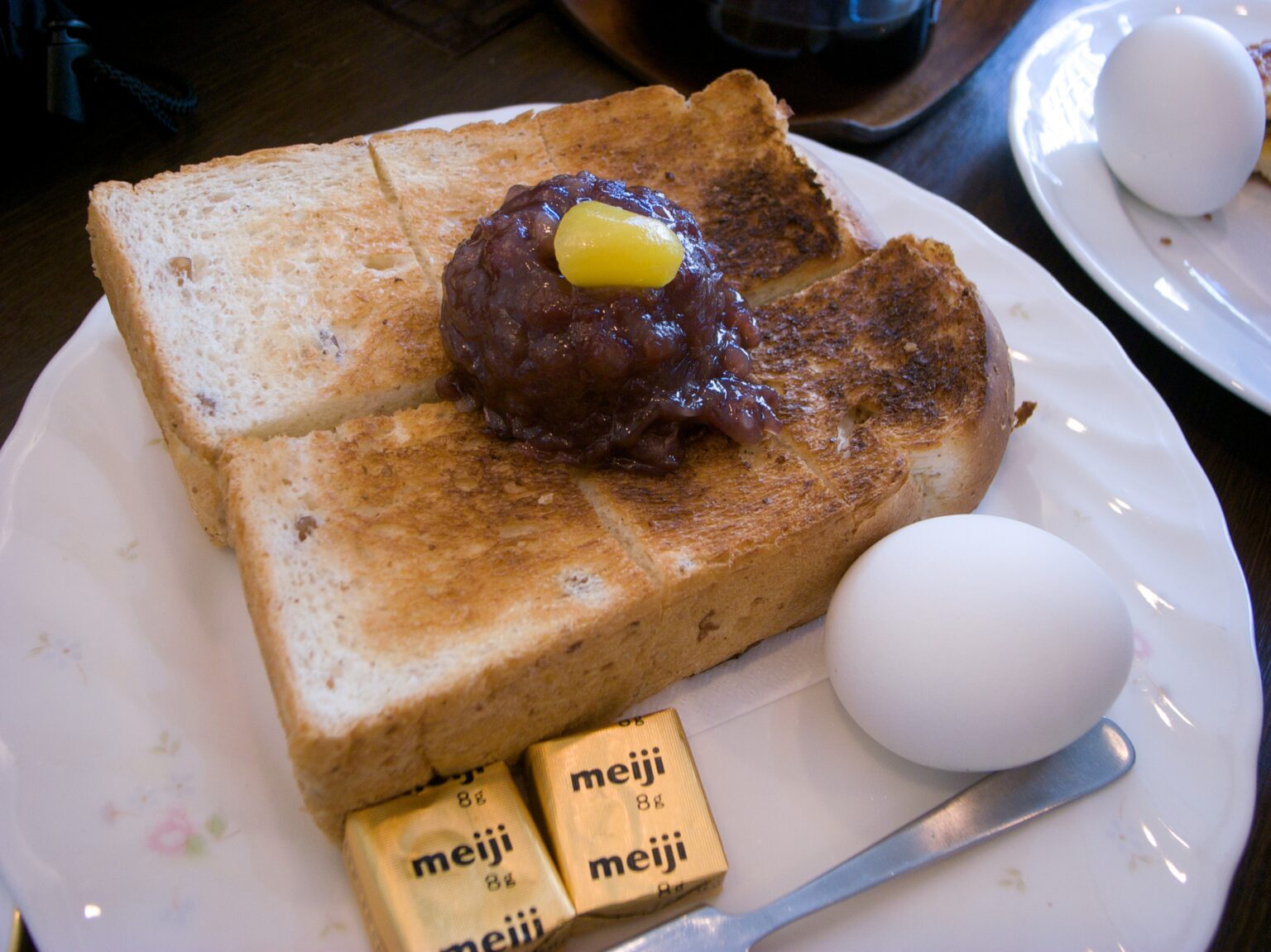
One of the pleasures of visiting a kissaten is the mōningu sābisu, usually shortened to mōningu: a morning offer that pairs a drink with toast, an egg or other breakfast items. The serving hours and whether the food is included in the drink price vary from shop to shop.
Nagoya and the surrounding region are particularly associated with generous morning sets. A customer may encounter thick toast, a boiled egg and sometimes ogura toast, which combines bread with sweet red-bean paste.
To an overseas visitor, toast with an egg may look like an ordinary breakfast. The local detail is the way the meal becomes a reason to step outside, sit down, read and begin the morning somewhere other than home.
Morning culture is not unique to Nagoya, nor is every kissaten required to provide it. Some cafés offer breakfast sets without using the word kissaten. The point is to notice the everyday social rhythm behind a simple menu.
5. Why Is There Spaghetti on a Coffee-Shop Menu?
Old-fashioned Japanese coffee shops are often remembered as much for their food as for their coffee. A dish of naporitan—usually written “Napolitan” in English-language descriptions—may arrive with spaghetti dressed in a tomato-ketchup-style sauce, vegetables and sliced sausage or other ingredients.
Despite its Italian-sounding name, it is a Japanese adaptation rather than a standard pasta dish from Naples. Alongside sandwiches, pizza toast, pancakes and pudding, it belongs to a familiar type of coffee-shop comfort food.
Those menus tell a story of how Western-influenced dishes were reinterpreted in Japanese kitchens. The result is neither simply foreign nor ancient Japanese tradition. It is everyday cooking that adapted to the tastes, ingredients and lifestyles of a particular time.
Not every coffee shop serves it, and a new café may make an excellent version. But a plate of Napolitan in a dimly lit kissaten offers a delicious reminder that the history of food is rarely as tidy as its labels.
6. The Shops Where Music Was the Main Event
Some coffee shops developed around a very particular kind of listening. In jazu-kissa (ジャズ喫茶), recorded jazz may fill the room; in meikyoku-kissa (名曲喫茶), classical music is often central to the experience.
These are not simply cafés with background playlists. In certain establishments, the audio system and the act of listening are the reason to visit. Some encourage quiet and discourage conversation; others have different expectations.
To someone used to opening a laptop in a busy café, the idea of paying for a drink and then sitting silently with a record may sound unusual. Yet the feeling is recognizable: a public room can become a place where a person has permission to concentrate on one thing.
It is a mistake to generalize those rules to all kissaten. Check the atmosphere and posted guidance of each shop. Some places welcome conversation, some prefer quiet, and the difference is part of their individual character.
7. The Modern Café: Fast, Flexible and Often Familiar
Japan’s contemporary cafés include domestic and international chains, independent espresso bars, neighborhood bakeries with coffee counters, cafés in museums and shops devoted to carefully selected beans.
For commuters, a café near a station may be useful precisely because the service is predictable. You can stop for a drink, take something to go and continue to your destination. For students or remote workers, another café may offer a table and a place to concentrate.
But modern does not automatically mean noisy, and old does not automatically mean peaceful. Some chains provide comfortable seats for long conversations, while some independent kissaten need tables to turn over quickly to pay the rent.
The boundary between the styles is also blurring. Younger shop owners may borrow furniture, menus or brewing practices associated with kissaten, while a long-established coffee shop can update its service without abandoning its identity.
8. A Small Public Room, with a Private Feeling
A coffee shop is not quite home and not quite work. For many people, that is its attraction. The customer can step outside a routine without having to explain why.
In an older kissaten, a person might read a newspaper at the same table for years. Elsewhere, someone may come once, buy a coffee and leave ten minutes later. There can be comfort in being known; there can also be comfort in anonymity.
The distinction matters in Japan, where much of daily life happens in compact homes, on crowded trains and around fixed schedules. A quiet café may offer a moment of personal space—but it is not safe to assume that every visitor wants solitude or every independent shop enjoys loyal regulars.
There is an emotional side to this kind of place that photographs struggle to capture. A worn chair might be nothing special to a newcomer. To someone who has sat in it every week for twenty years, it may mark a series of small chapters in their life.
9. Why Are Some Old Coffee Shops Disappearing?
The image of a kissaten as a time capsule can make it seem permanent. The daily economics of running one are anything but. Rent, energy bills, staffing, the cost of coffee beans and the proprietor’s age all affect whether a shop can remain open.
Changing customer habits matter too. Some people want takeaway coffee; others prefer self-service or a convenient location near the station. Many independent businesses cannot rely on a constant stream of regulars.
It would be misleading to say that all kissaten are disappearing or that chains are replacing every local shop. Some older establishments remain popular, and younger operators are opening cafés that reinterpret the atmosphere of earlier decades.
The more useful question is what makes an independent place sustainable. A favorite chair or a beautifully made cup has cultural value, but someone must still pay the bills and choose to keep the doors open.
10. How to Visit a Kissaten Without Turning It into a Museum
If you find a kissaten that interests you, approach it as a working business rather than as a nostalgic attraction staged for visitors. Check whether it is open, read any signs at the entrance, order something and follow the tone of the room.
Photography may be restricted, especially where other customers are sitting or the proprietor prefers privacy. Some cafés accept cash only, while others have digital payments. Smoking rules and the presence of designated smoking areas vary, so do not assume an older interior means smoking is allowed.
At a music-focused shop, a low voice may be appreciated. At a busy lunchtime venue, a long stay over one inexpensive drink may not fit the atmosphere. These are not universal laws; observing the place itself is usually more helpful than memorizing strict rules about Japan.
You do not need specialized coffee knowledge to enjoy the experience. Sometimes the best way to understand a neighborhood is to sit with a cup, notice the menu and listen to the small rhythm of the room.
11. The Cup Is Only the Beginning
Return to the two coffee shops. In the first, a person is still sitting at the counter while the proprietor rinses a cup. In the second, another customer has collected a takeaway drink and is already disappearing toward the station.
Neither scene is more genuinely Japanese. They belong to different versions of the same everyday need: a place to stop, drink something and use a little time for oneself.
For an outsider, the old-fashioned kissaten may be the more memorable photograph. For someone who lives in the city, the café beside the station may be just as important to the shape of a working day.
What Japan’s coffee shops reveal is not simply a preference for old or new. It is how much a small space can mean when people are allowed to make it part of their lives.
Quick Questions About Kissaten
Is a kissaten the same as a café? The terms overlap. Kissaten often suggests a traditional coffee-shop style; cafés can be old, new, independent or part of a chain.
What is a morning set? An early-day drink-and-breakfast offer. Contents, prices and available hours vary by shop.
Can I work on a laptop in a kissaten? It depends on the establishment. Check its rules and atmosphere before settling in for a long stay.
Does every kissaten serve Napolitan? No. The dish is strongly associated with the retro coffee-shop image, but menus differ.
More Stories Beyond the Postcard
Follow the food beyond the coffee shop: Japanese bento, from homemade lunches to station meals, offers another way to understand how a meal fits around the day.
To explore more everyday settings, read about Japan’s changing shopping streets, the importance of convenience stores, or what people really eat at home.
Sources & Further Reading
- Japan National Tourism Organization — Kissaten: Japan’s Old-School Coffee Shops. Coffee preparation, traditional food, morning sets and music cafés.
- Japan National Tourism Organization — Take Your Cup of Coffee With Something Quirky at a Kissaten. Historical atmosphere and Nagoya’s breakfast tradition.
- All Japan Coffee Association — History of Coffee (Japanese). Coffee imports, wartime disruption and growth of kissaten.
- All Japan Coffee Association — Coffee-Shop Establishments and Employees (PDF, Japanese). Historical government statistics, including the 1981 peak. The category includes coffee shops generally, not only traditional independent kissaten.
- National Diet Library’s Collaborative Reference Database — Origins of Japanese Coffee Shops (Japanese). Sources concerning the frequently cited 1888 establishment.
Editorial note: The opening and closing scenes are illustrative, not descriptions of particular people in the photographs. Café customs, menus, policies and business conditions vary. The documentary photographs were taken in 2013, 2017 and 2023; none establishes current store conditions or the personal circumstances of the people shown. Article prepared October 16, 2026.