Real Life in Japan · 12 minute read
Beyond the Shutters: The Changing Life of Japan’s Shopping Streets
The little shops, familiar faces, and disappearing connections that tell the story of everyday Japan.
LAYERS OF JAPAN
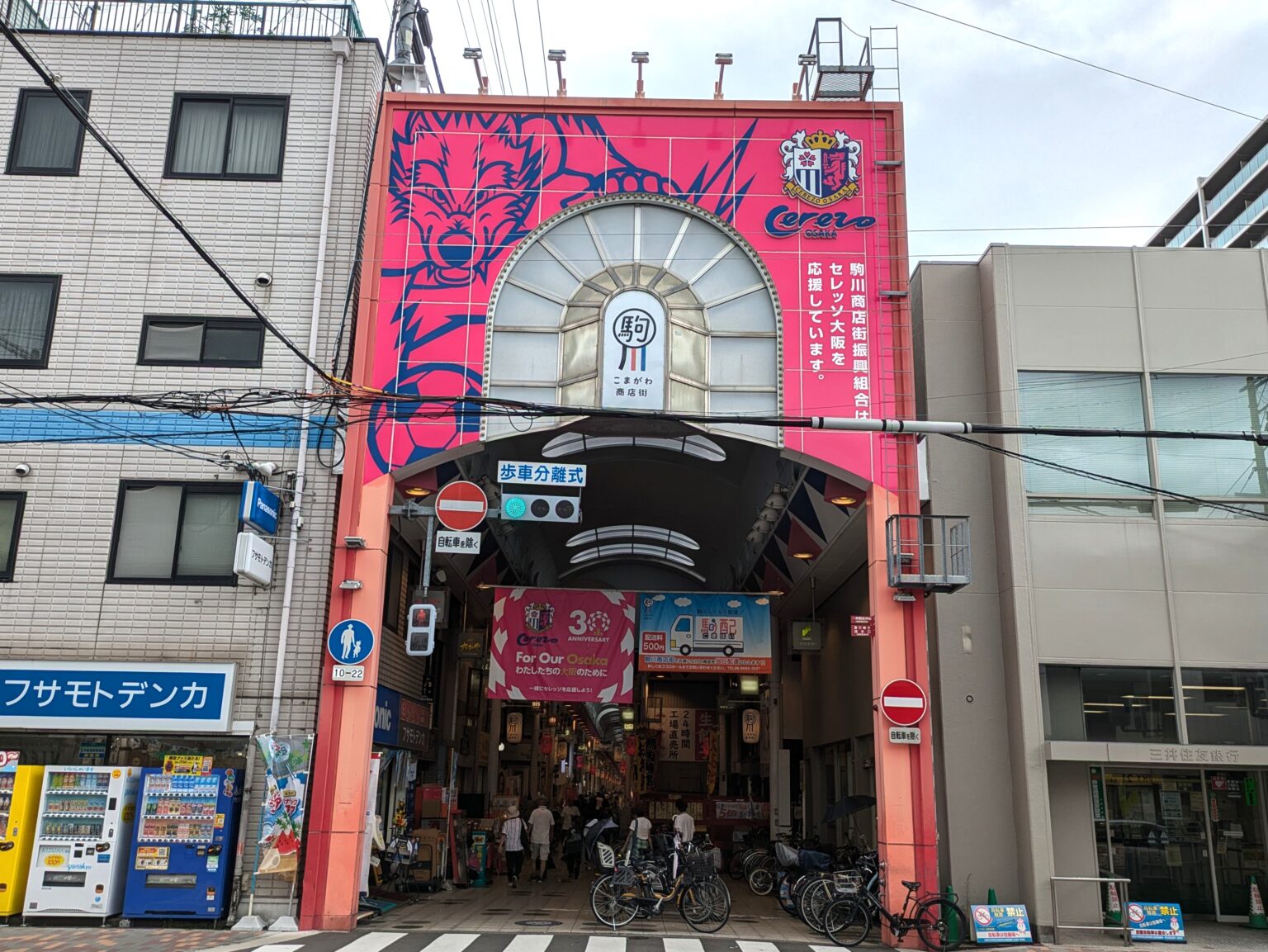
There is a particular sound that belongs to an ordinary shopping street in Japan.
A bicycle bell rings. A shopkeeper moves a crate of vegetables closer to the doorway. Someone calls out a greeting. A customer stops to ask whether the fish has arrived, and a little farther along, the smell of freshly prepared food escapes into the street.
To a visitor, the scene can feel wonderfully nostalgic. It may even look like the Japan they came hoping to find: small shops, handwritten price tags, bicycles parked along the pavement, and people who appear to know one another.
Yet the scene is not a museum exhibit. It is a place where someone must pay the rent, open the shutters every morning, order supplies, attract customers, and decide whether the business can continue for another year.
And on some streets, a different sound has become familiar.
Nothing at all.
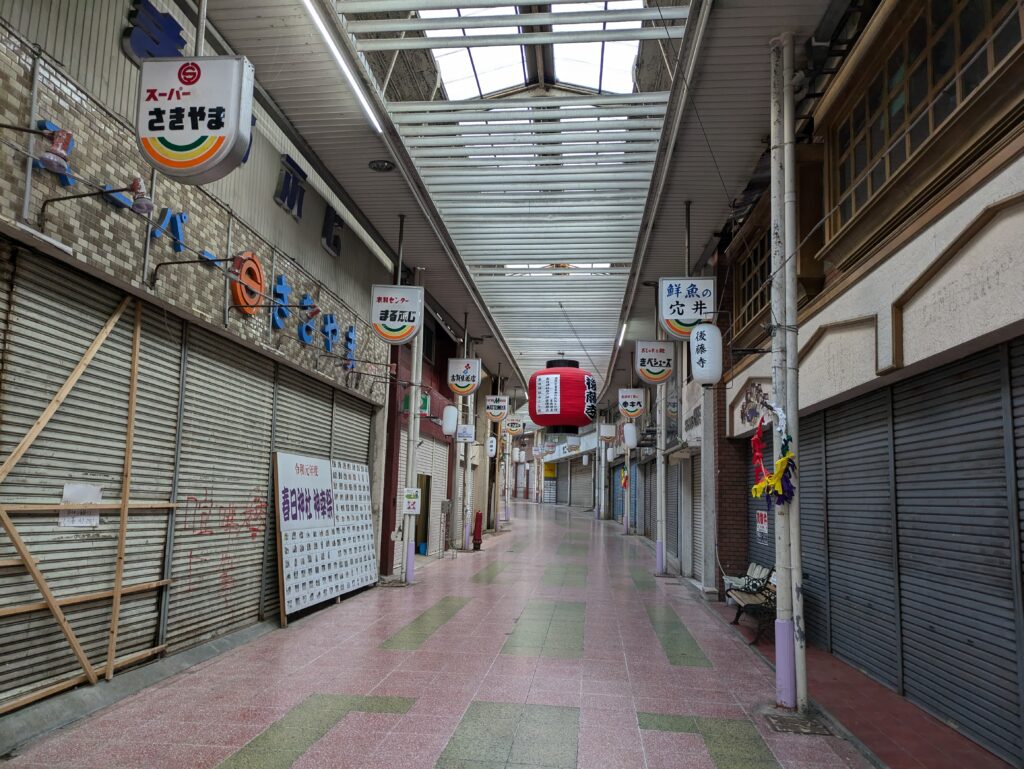
A metal shutter stays down. Then another. A shop name remains above a doorway long after its owner has retired.
When a small shop closes, a neighborhood can lose more than a place to buy things. It can lose a place where people knew one another.
But Japan’s shōtengai are not simply disappearing. Some are busy. Some are struggling. And some are finding entirely new reasons for people to return.
1. What Is a Shotengai?
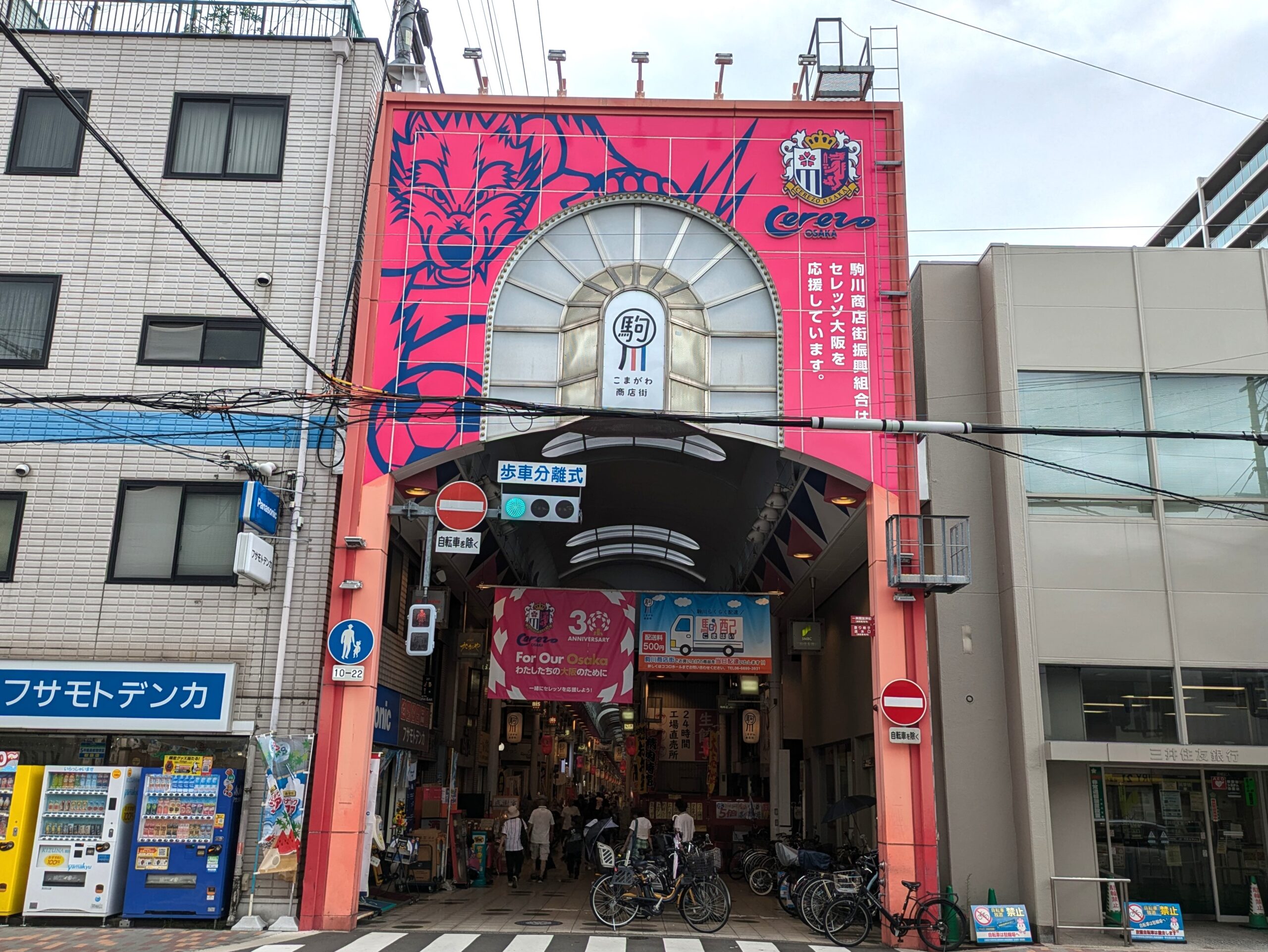
A shōtengai (商店街) is a shopping street or commercial district formed around local businesses. It may be an open street of individual shops, a covered pedestrian arcade, or a cluster of businesses along a neighborhood route.
Not every street has a dramatic archway or rows of traditional wooden storefronts. Some are modern, brightly lit places. Others combine decades-old family businesses with chain stores, pharmacies, supermarkets, clinics, hair salons, cafés, and service providers.
That mix is important. The shotengai is not one frozen image of Japan’s past.
Historically, many such streets developed close to train stations, residential neighborhoods, temples, or other places that drew people into everyday commerce. They offered a practical way to shop without traveling far: vegetables from one seller, fish or meat from another, household goods from a nearby store, and perhaps a small treat on the way home.
For international readers, a shotengai may be compared with a high street or neighborhood market district. But the atmosphere can feel distinctive because many shops are small enough for the person behind the counter to become a familiar face.
You are not necessarily a member of a club. You are simply a customer.
Over time, that can become a relationship.
2. The Shopkeeper Who Remembers You
Imagine returning to the same greengrocer once or twice each week.
The owner remembers which vegetables you bought last time. A familiar customer asks after a neighbor. An older resident lingers to chat while buying just a few items.
These are illustrative scenes, not accounts of particular people. Not every shopkeeper knows every customer, and not every shopping street feels close-knit. Still, many small stores make a kind of everyday recognition possible.
In a large supermarket, efficiency is valuable: people can buy many items in one trip, often at competitive prices, without having to speak to anyone.
At a small shop, the transaction may sometimes become a conversation.
Neither experience is automatically superior. Convenience, affordability, accessibility, product choice, and privacy matter, too.
But there is a difference between a place where you are served and a place where someone notices that you have been away for a while.
For an older person living alone, a familiar route to the shops may provide exercise, routine, and opportunities to exchange words with others. For parents with young children, a nearby shopping street may offer a manageable series of short errands. For someone newly arrived in a neighborhood, buying the same loaf of bread every week may slowly turn a stranger into a recognizable person.
These small connections are easy to overlook because they do not appear on a receipt.
Their value is social as well as commercial.
3. The Japan That Exists Between Tourist Attractions
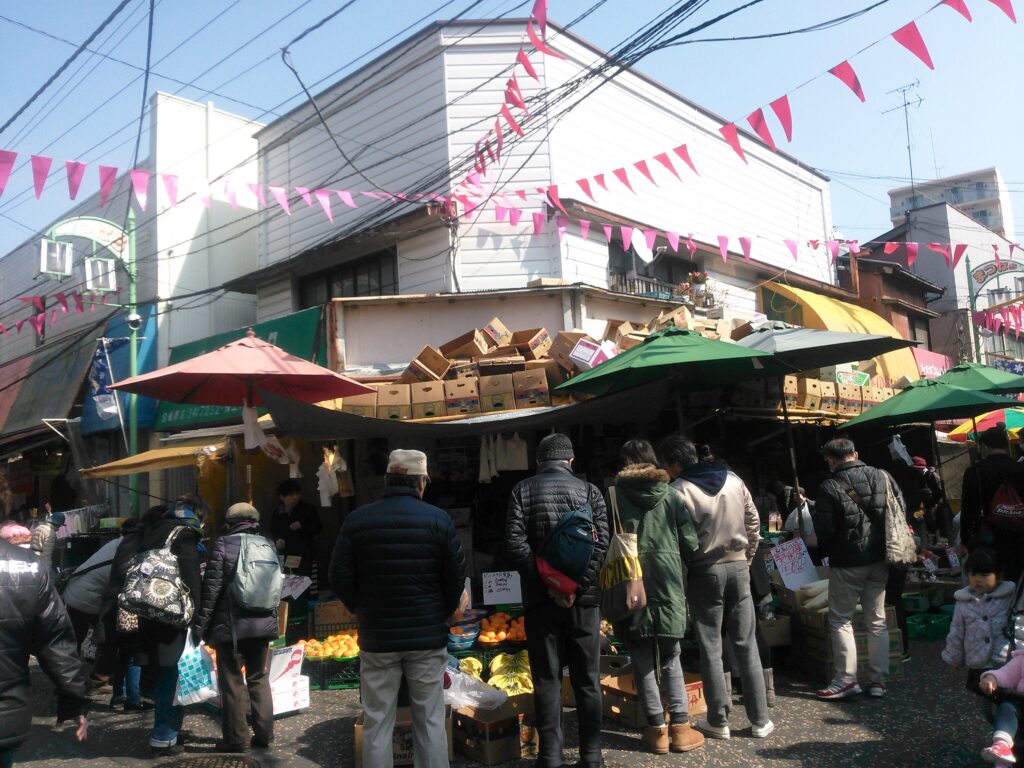
Japanese shopping streets can be beautiful in ways that rarely appear on postcards.
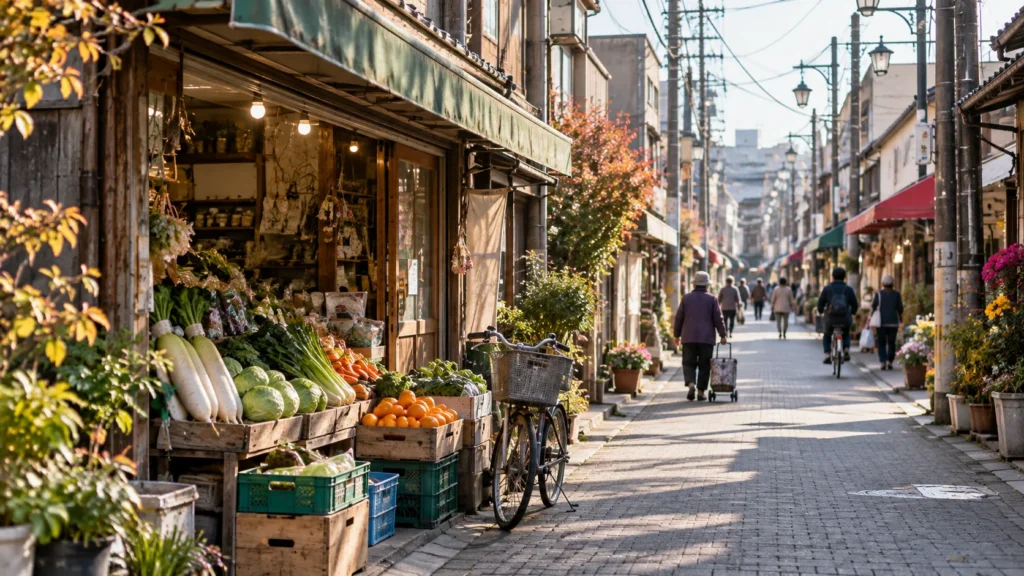
A stack of oranges outside a store. A basket on the front of a bicycle. A handwritten sign. A television playing quietly inside a shop. The change in light beneath an arcade roof as evening approaches.
You might see an elderly customer carrying a small bag, a delivery worker pushing a cart, a student buying a snack, or someone hurrying home after work.
Nothing particularly dramatic happens.
That is the point.
For much of their history, these districts have been part of the ordinary infrastructure of daily life. They connect homes, stations, schools, and public spaces. Even someone who never buys anything may use a shopping street as a route through the neighborhood.
The most meaningful part of a shotengai is therefore not always a purchase. Sometimes it is the repeated act of passing through a place and feeling that it belongs to your daily map of the world.
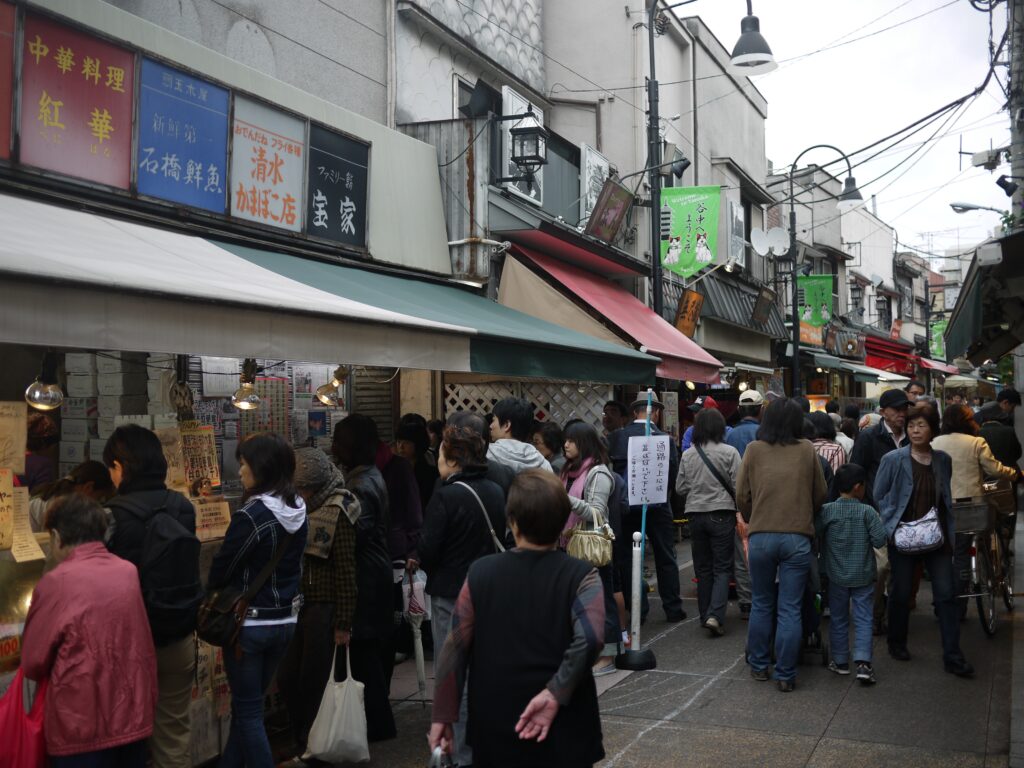
Of course, heavily visited shopping streets such as Tokyo’s Yanaka Ginza also attract tourists. Their popularity is real, but it should not be mistaken for the experience of every neighborhood commercial district.
Behind the appealing photographs are thousands of streets with very different circumstances.
4. The Shutter That Stays Closed
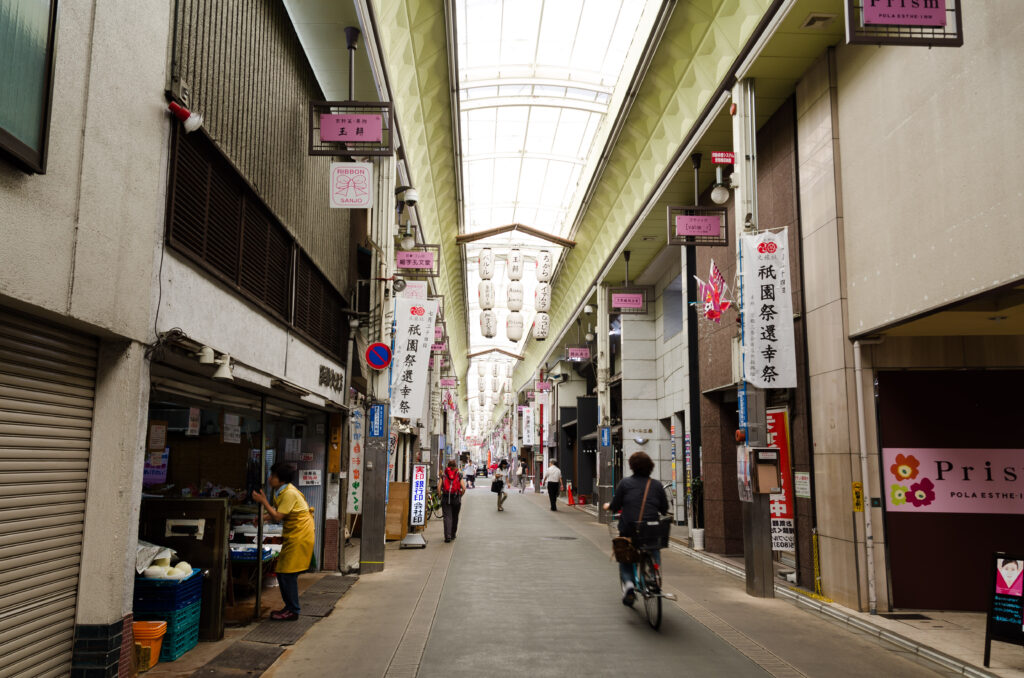
A closed metal shutter is one of the most recognizable images associated with the challenges facing local shopping streets.
It is also an image that needs to be read carefully.
One shutter may be down because the shop is closed for the day. Another may belong to a business observing a regular holiday. Another may signal a renovation. And another may indeed mark the end of a business.
A photograph of a shutter alone cannot tell us which story is true.
When closures become long-term and vacant premises accumulate, however, the effects on a street can be substantial. Fewer open shops may give residents fewer reasons to visit. Foot traffic can decline. Other businesses may find it harder to attract customers. An empty property may be difficult to rent again if the building is outdated, ownership is complicated, or the cost of repairs is too high.
The term shattā shōtengai—literally, a ‘shutter shopping street’—has become shorthand for this visible pattern of commercial decline.
It is a vivid phrase. But it is not the whole picture of Japan’s local retail economy.
5. What the Numbers Actually Say
Japan’s National Federation of Shopping Street Promotion Associations has continued to survey the condition of shopping districts with support from public agencies.
Its comprehensive survey for fiscal year 2024 reported an average vacant-shop rate of 11.3% among the shopping streets covered by the survey. The survey contacted more than 11,000 associations and received 4,824 valid responses; the results should not be treated as a literal census of every storefront in Japan.
A separate, smaller follow-up survey covering fiscal year 2025 used a different, online-only sample. Its findings are useful, but the different method means that figures from the two years should not be casually compared as though they measured exactly the same population.
The national picture is complicated. Shrinking populations in some areas, aging owners, shortages of successors, changing consumer habits, labor costs, and competition from supermarkets, shopping centers, and online retailers all affect local businesses.
Yet not every shopping street is losing customers. Some remain essential shopping destinations. Others increasingly function as dining, service, leisure, or community spaces rather than traditional clusters of food and household retailers.
This is not one story of inevitable collapse. It is a story of adaptation under uneven conditions.
6. Why the Family Shop Closes
When a long-running family business closes, it can be tempting to assume that it simply failed to compete.
Sometimes commercial pressure is part of the explanation. But a shop may also close because its owner wants to retire, because there is no family member willing to take over, or because the next generation has chosen a different life.
A child who grew up above a neighborhood store may have watched a parent leave home before dawn, manage inventory, work weekends, and worry about the next month’s income.
Choosing a different career does not necessarily mean rejecting the family or the neighborhood. It may mean wanting predictable hours, another profession, or the freedom to live elsewhere.
That choice deserves as much understanding as the affection people feel for the store itself.
The difficulty is that a privately reasonable decision can become a public loss when repeated across an entire district.
The shopkeeper gets a deserved retirement. The neighborhood loses one more familiar doorway.
Both truths can exist at once.
7. Why a Busy Street Is Not Always a Healthy Community
Some Japanese shopping streets continue to attract crowds.
The scene may be lively: food stalls, sweets, small restaurants, specialty shops, and customers carrying bags from store to store. A successful district can offer local entrepreneurs valuable opportunities and give residents a walkable place to meet.
But activity alone does not tell us who benefits.
Are the everyday shops that residents depend on still present? Can older neighbors afford what is being sold? Do small operators have secure leases? Do crowds make it difficult for people living nearby to move around? Does a street mainly serve tourists, or does it still meet local needs?
These questions matter because a shopping street can become more visually exciting while becoming less useful to the people around it.
The reverse can also be true: a quieter district may still provide important services to its remaining residents.
There is no single measure of whether a neighborhood is working well.
Footfall matters. So do belonging, access, and usefulness.
8. New Life in Old Spaces: Fukuchiyama
Some communities are responding not by recreating the past, but by changing what their shopping streets offer.
In Fukuchiyama, Kyoto Prefecture, a group of local businesses and a shopping-street association received a national award in 2024 for efforts led by a younger generation to make the city-center commercial area more attractive.
According to a Small and Medium Enterprise Agency account of a November 2024 site visit, the initiatives included turning a former pachinko business property into a mixed-use commercial space, renovating a shop property for accommodation, and welcoming a confectionery store opened by a newcomer to the area.
The example is interesting because it does not depend on every closed store reopening with the same kind of business that operated there decades ago.
A former retail property can become somewhere to stay. An old building can become a new business. A street can welcome people whose families have not lived there for generations.
None of this guarantees that every revitalization project will succeed. Such efforts require investment, collaboration, and a realistic understanding of local demand.
But they show that continuity does not always mean preserving the original use of every building.
Sometimes the best way to keep a street alive is to allow it to change.
9. A Vacant Shop Becomes a Meeting Place: Suita
Another example comes from Suita, Osaka Prefecture.
In 2024, the Asahi-dōri shopping street was recognized for an initiative that transformed a vacant property into a place for new visitors, including families and younger people.
The project, known as tocotoco, brought together activities such as a café, a space for parents and children, and opportunities for events and small-scale entrepreneurship. The shopping street’s own description emphasized the involvement of local residents in imagining what the space should become.
This is a useful reminder that the future of a shopping district may not depend entirely on selling more physical goods.
A neighborhood may also need places to sit, talk, learn, create, and spend time together.
The old shopfront remains part of the street. Its purpose changes.
What comes back is not necessarily the business that was lost, but the possibility of meeting someone there.
10. Between Nostalgia and the Future
There is a danger in writing about shotengai only through nostalgia.
It can make every closed store seem tragic and every new café seem like a betrayal of tradition. It can also place an unfair emotional burden on people who spent their working lives keeping a small business open.
A shopping street should not have to remain unchanged just so visitors can enjoy a picturesque version of Japan.
Its first responsibility is to be useful and meaningful to the people who live with it.
That may involve new owners, mixed uses, accessible public spaces, easier digital payments, better delivery services, shared events, or forms of community support that look nothing like the shopping streets of the past.
Other districts may need help accepting that certain services can no longer be sustained in the same form.
The question is not simply, ‘How do we bring back the old days?’
It is, ‘What does this neighborhood need now—and who gets to help decide?’
11. What Remains After the Shutters Come Down
Picture a shopping street in the late afternoon.
One shop is closing. Another is preparing for the evening rush. Someone wheels a bicycle past a row of vegetables. A familiar customer stops for a brief conversation. Farther down the road, a newly opened business lights up its window.
There is no perfect version of this scene.
Some people remember a busier past. Others are building something new. Some stores will not return. Others will surprise everyone by becoming places no one knew the neighborhood needed.
That is the deeper story of Japan’s changing shopping streets.
The most important things are not always inside the stores. They are in the relationships between them—in the routes people walk, the neighbors they recognize, and the ordinary chances to feel part of a place.
When a small shop closes, a neighborhood can lose more than a place to buy things. It can lose a place where people knew one another.
But the story does not have to end with a shutter.
Sometimes the door opens again.
And someone new says hello.