Food & Everyday Tables · Real Life in Japan
Yaki Imo: The Roasted Sweet Potato That Tastes Like Autumn
Follow a warm paper bag from the street vendor to the supermarket, and discover why one sweet potato can taste so different from another.
By Maki Kakudate · 6 minute read
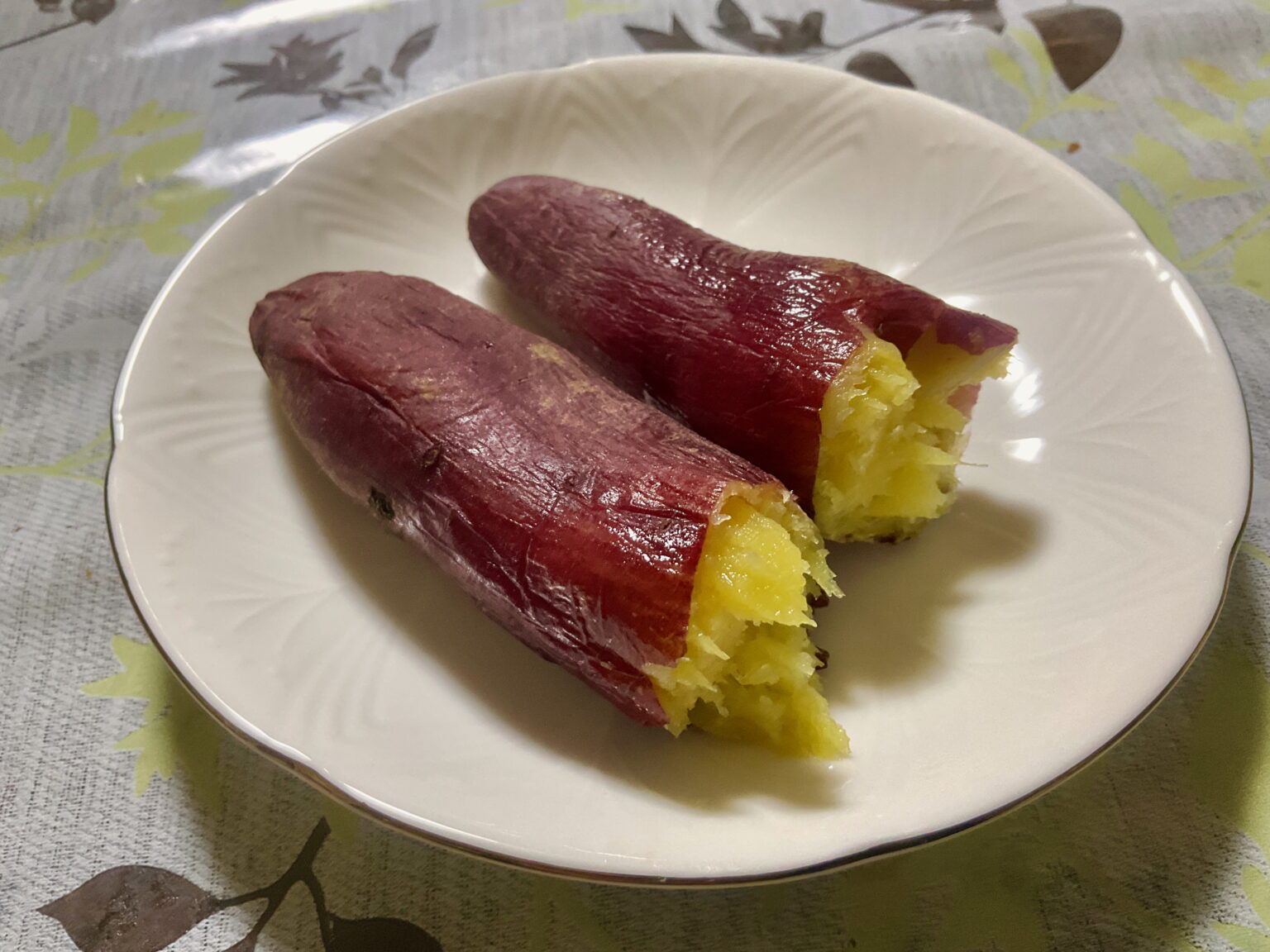
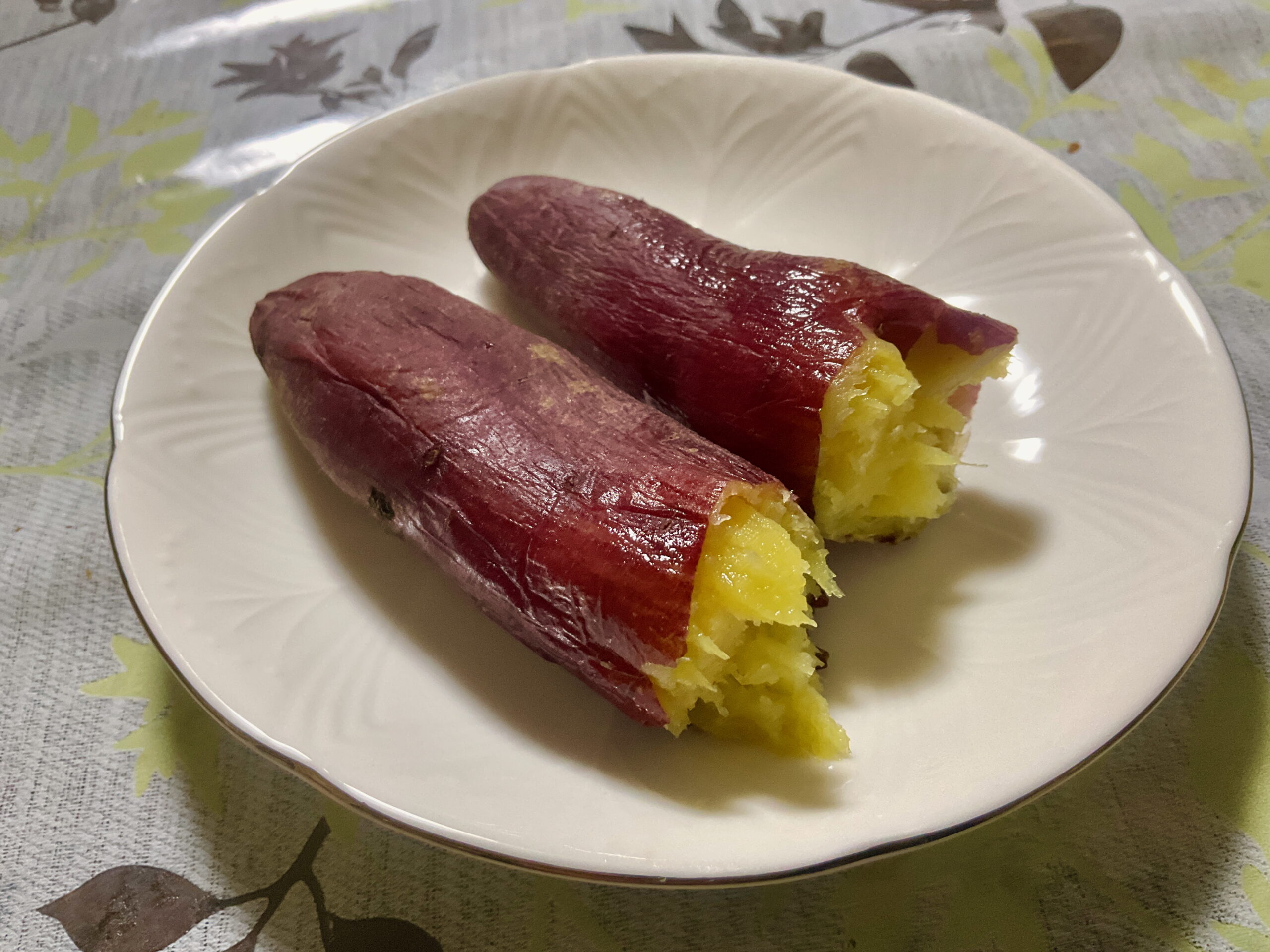
Picture a cool afternoon and a paper bag warm enough to notice through your fingers. Inside is a sweet potato with wrinkled skin. Break it open and the yellow flesh gives way, sometimes in fluffy pieces, sometimes with a soft, almost pudding-like consistency. The first bite makes an ordinary vegetable feel like a small occasion.
This is yaki imo (焼き芋): a sweet potato roasted whole, usually enjoyed with very little ceremony. The ingredient is satsumaimo, the Japanese word for sweet potato. A plain yaki imo gets its sweetness from the potato itself; sugar, syrup and butter are optional additions. Its appeal begins with that simplicity.1
A snack with a long life on the street
Sweet potatoes had a practical role in Japan before becoming a beloved snack. They were promoted as a crop that could help people survive poor harvests. By the late Edo period, roasted sweet potatoes had become popular enough to encourage production for the market.2 In the nineteenth century, when sugar was still precious, their sweetness and affordability helped make them a popular treat.3
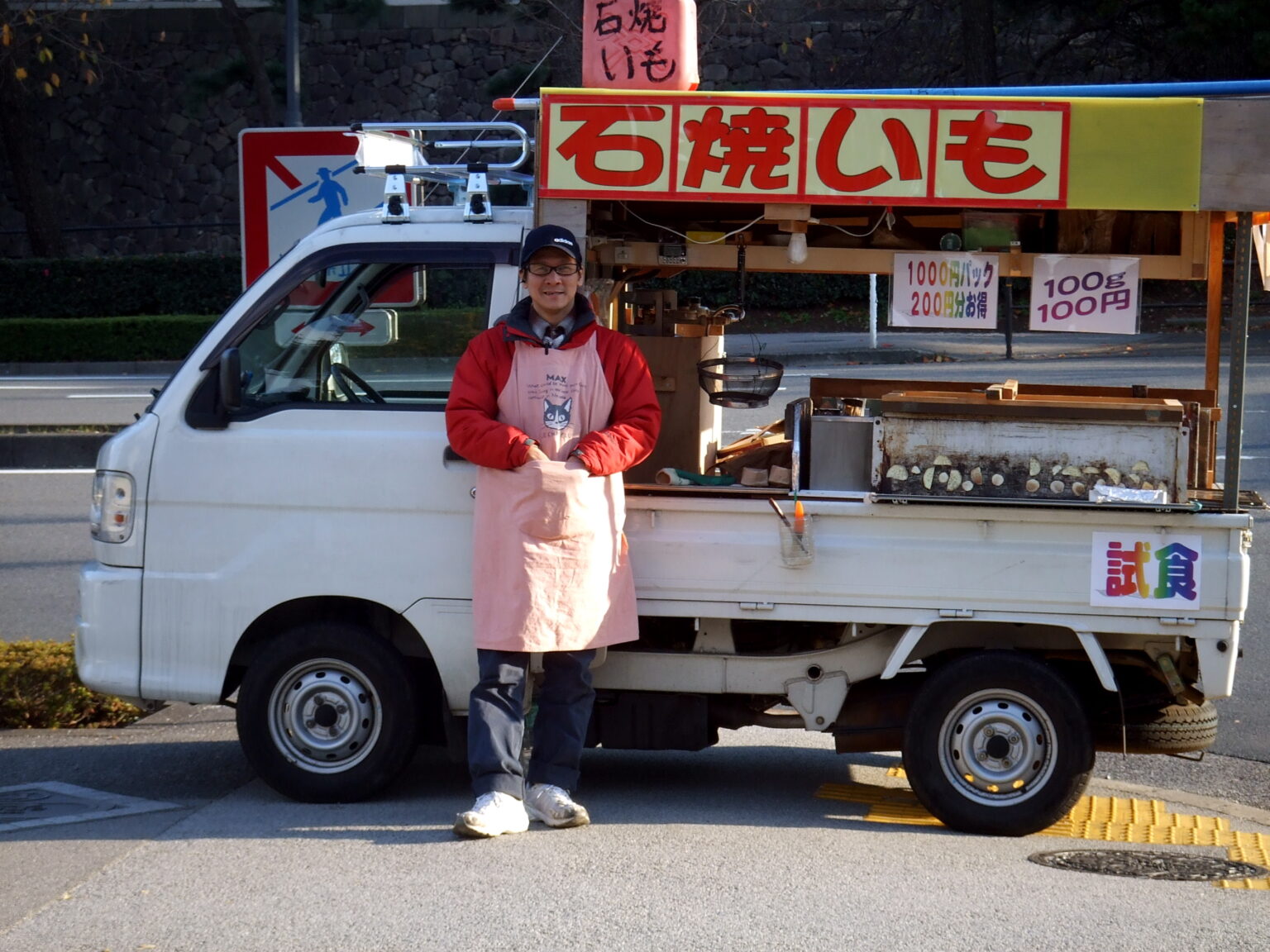
The familiar mobile stone-roasting business belongs to a later chapter. Carts selling ishi yaki imo, sweet potatoes cooked with heated stones, spread in postwar Tokyo during the 1950s.3 Trucks became another setting for the trade. Their drawn-out, melodic call of “ishi yaki imooo” announced a warm snack moving through the neighborhood.4
The call gives the food an unusual kind of presence: you can hear it arriving. That is part of the charm of the traveling seller. A potato bought from a shop has a different setting, but both belong to the story.
Fluffy, moist or deliciously sticky?
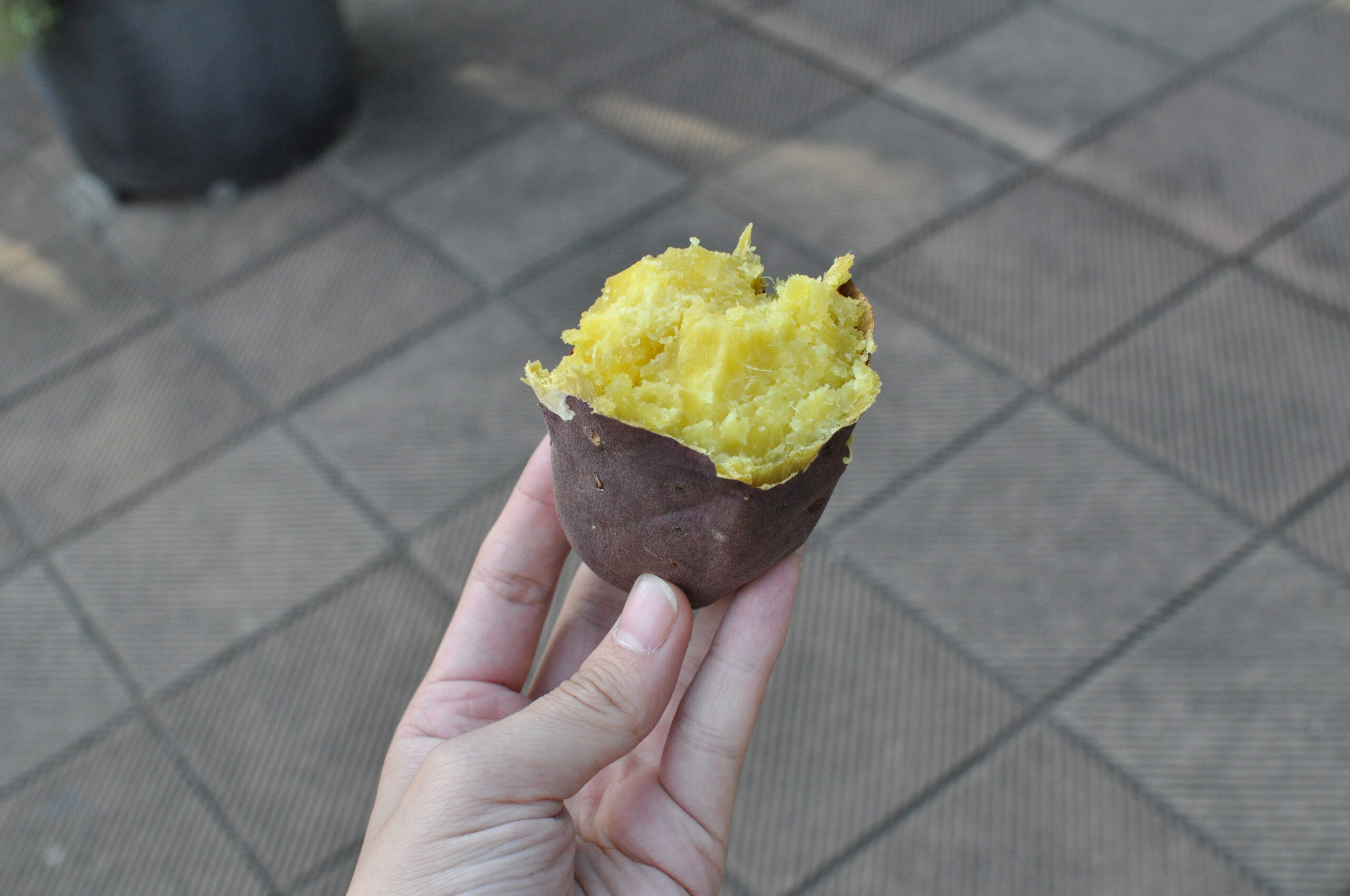
Two useful words explain a great deal about yaki imo. Hokuhoku describes a fluffy, pleasantly crumbly texture, often compared with cooked chestnuts. Nettori describes a dense, moist stickiness. You may also see shittori, meaning moist, used for the territory between them. These descriptions are a helpful way to choose what you feel like eating.34
| Name on the label | Texture to look for |
|---|---|
| Beniazuma 紅あずま | A classic starting point for hokuhoku: yellow flesh with a fluffy, crumbly character.2 |
| Beni Haruka 紅はるか | Known for strong sweetness and a smooth, sticky texture when appropriately stored and cooked.5 |
| Tanegashima Annō Imo 種子島安納いも | This sweet potato from Tanegashima, in Kagoshima, is distinguished by its sticky texture and intense sweetness after cooking.6 |
Think of the table as a starting point. Variety matters, but storage and roasting also shape the result. If you enjoy a lighter, chestnut-like mouthful, begin with the fluffy end. If you want something closer to a soft dessert, explore the moist and sticky end. Neither preference needs defending.
Where all that sweetness comes from
The transformation has a little food science behind it. Sweet potatoes contain an enzyme called beta-amylase. During heating, it can break down starch into maltose, a sugar. Cooking therefore does more than soften the flesh: it helps create sweetness within it.7
Time matters because the enzyme works within a particular temperature range, then stops working when it becomes too hot. Letting the inside of the potato warm gradually gives that process more time. This helps explain why a slowly roasted potato can taste different from one heated very quickly.7 The exact result still depends on the variety and the potato you started with.
For the eater, the useful lesson is simple: the soft, sweet center reflects choices made before the bag reaches your hand. The grower, the person managing storage and the person roasting it all have a part in that bite.
Why “freshly harvested” tastes different
A newly dug sweet potato and one stored after harvest can give different results. NARO, Japan’s agricultural research organization, explains that freshly harvested Beni Haruka can be relatively floury and less sweet. Producers use storage to improve its eating quality. That helps explain why the name alone cannot promise exactly the same texture every time.5
There is a revealing everyday example. In a 2024 article published by Don Quijote, the retailer’s own team discussed customers who thought its sweet potato variety had changed. The explanation was that the same variety could taste fluffier during the new-harvest period and stickier after storage. Some customers preferred the fluffier version; others expected the dense sweetness they remembered.8
Plant breeding keeps adding possibilities. NARO announced Amahadzuki in 2021, a variety that can produce sweet, sticky roasted potatoes straight after an early harvest, without the usual waiting period in storage.5 It is a reminder that a food with a long history is still being developed. The choices behind the counter continue to change, even when the finished snack looks wonderfully uncomplicated.
That makes yaki imo a nice invitation to pay attention. Instead of judging every potato against one remembered favorite, notice what this one offers: a delicate crumble, a silky center, a roasted edge.
From a passing truck to the shopping basket
Electric roasting equipment helped expand yaki imo sales in supermarkets and other shops during the 2000s. A food associated with a traveling seller could now become part of an ordinary shopping trip.1 The modern appeal includes that convenience: you can add something warm and sweet to the day without planning a special outing.
The experience also extends beyond cold weather. Chilled roasted sweet potatoes are sold too, and specialist shops offer several varieties to compare.4 You can enjoy the potato as a warm snack or try it cold as a simple dessert. Both give you a reason to notice texture.
A small autumn pause
For a first taste, choose a plain potato and give yourself a moment to enjoy it. If it is hot, let it cool enough to handle, then open the skin and try the center. A cup of unsweetened tea makes a pleasant companion. If you are sharing, compare two textures and see which you reach for again.
Yaki imo makes room for that kind of small discovery. The bag is modest, the ingredient familiar, and the differences become clear as you eat. On a cool afternoon, a few warm bites can turn the space between errands into a welcome pause.
Continue exploring
More from everyday Japan
Sources & further reading
Sources checked on October 19, 2026. Agricultural research, public food-culture resources and a retailer’s own account support the history, texture comparisons and explanation of sweetness.
- Agriculture & Livestock Industries Corporation (ALIC) — Recent developments in yaki imo. Tetsuo Yano, October 2022. Whole roasted sweet potatoes, electric roasting equipment and retail sales. Japanese.
- Ministry of Agriculture, Forestry and Fisheries (MAFF) — aff, November 2017: potatoes and sweet potatoes. Historical cultivation and the fluffy texture of Beniazuma. Japanese. Historical statistics are not used.
- ALIC — The history and background of yaki imo booms. Akio Kariya, November 2015. Nineteenth-century popularity, postwar stone-roasting carts and texture categories. Japanese.
- Web Japan, Ministry of Foreign Affairs — Sweet Potatoes: Japan’s Enduring Sweetheart. 2022. Vendor calls, contrasting textures, specialist stores and chilled roasted sweet potatoes.
- National Agriculture and Food Research Organization (NARO) — Amahadzuki: sweet immediately after an August harvest. First published October 20, 2021. Beni Haruka storage and texture, and the development of Amahadzuki. Japanese.
- MAFF — Tanegashima Annou Imo: product profile. March 2, 2022. Place of production and texture after cooking. Japanese.
- Nagoya University of Arts and Sciences, School of Nutritional Sciences — The secret of sweet-potato sweetness. Cooking-science explanation of beta-amylase, maltose and gradual heating. Japanese.
- Don Quijote / Majivoice — Why does the texture of Don Quijote’s roasted sweet potatoes change?. August 9, 2024. The retailer’s discussion of the same variety before and after storage, and customer expectations. Japanese.
Photograph credits and reuse licenses appear with each image.






Comments