Growing Up in Japan · Real Life in Japan
Why Does Japan’s School Bag Look Like That? The Story of the Randoseru
A familiar shape, six years of school, and the choices that make a bag a child’s own.
By Maki Kakudate · 6 minute read
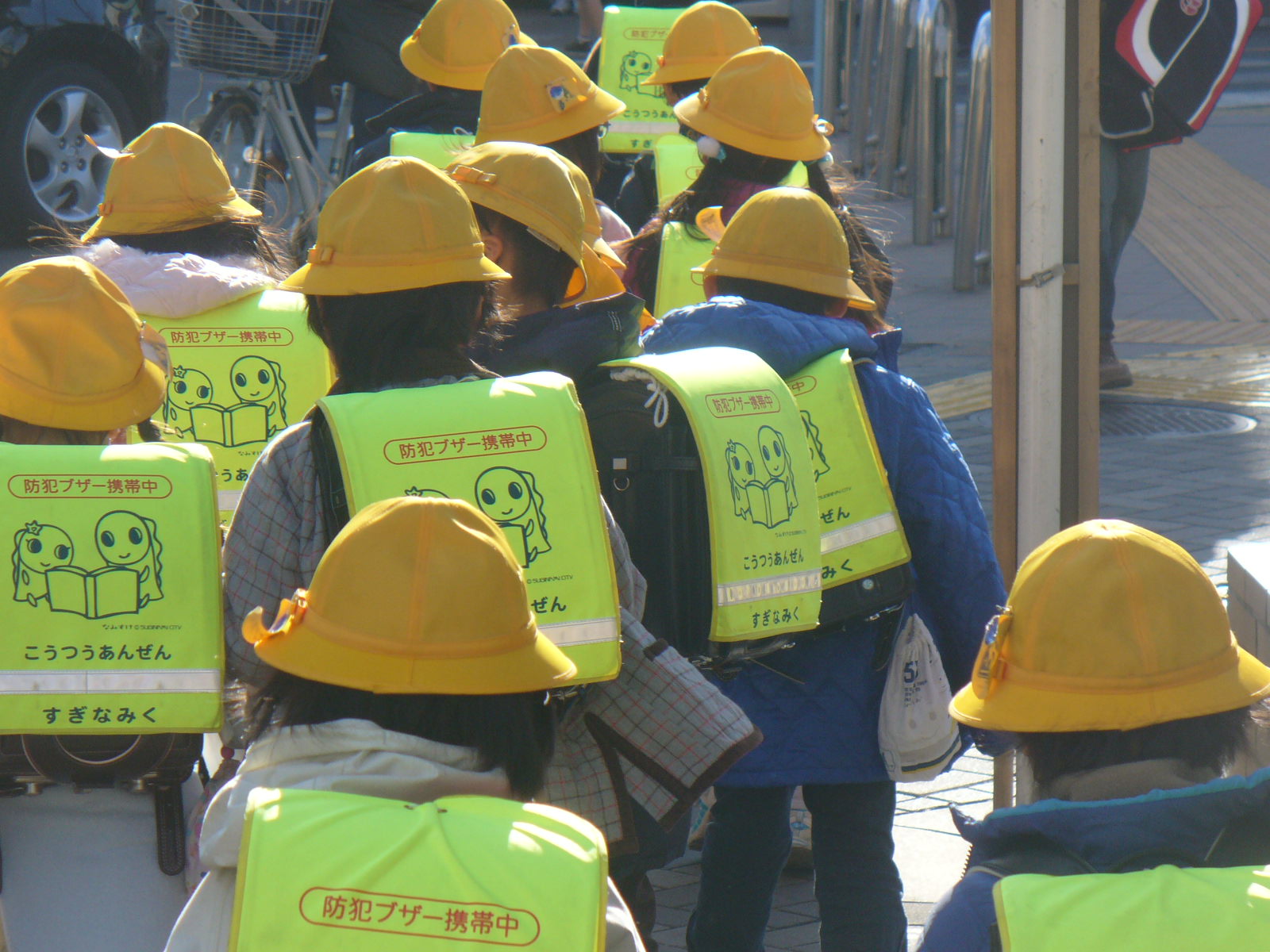
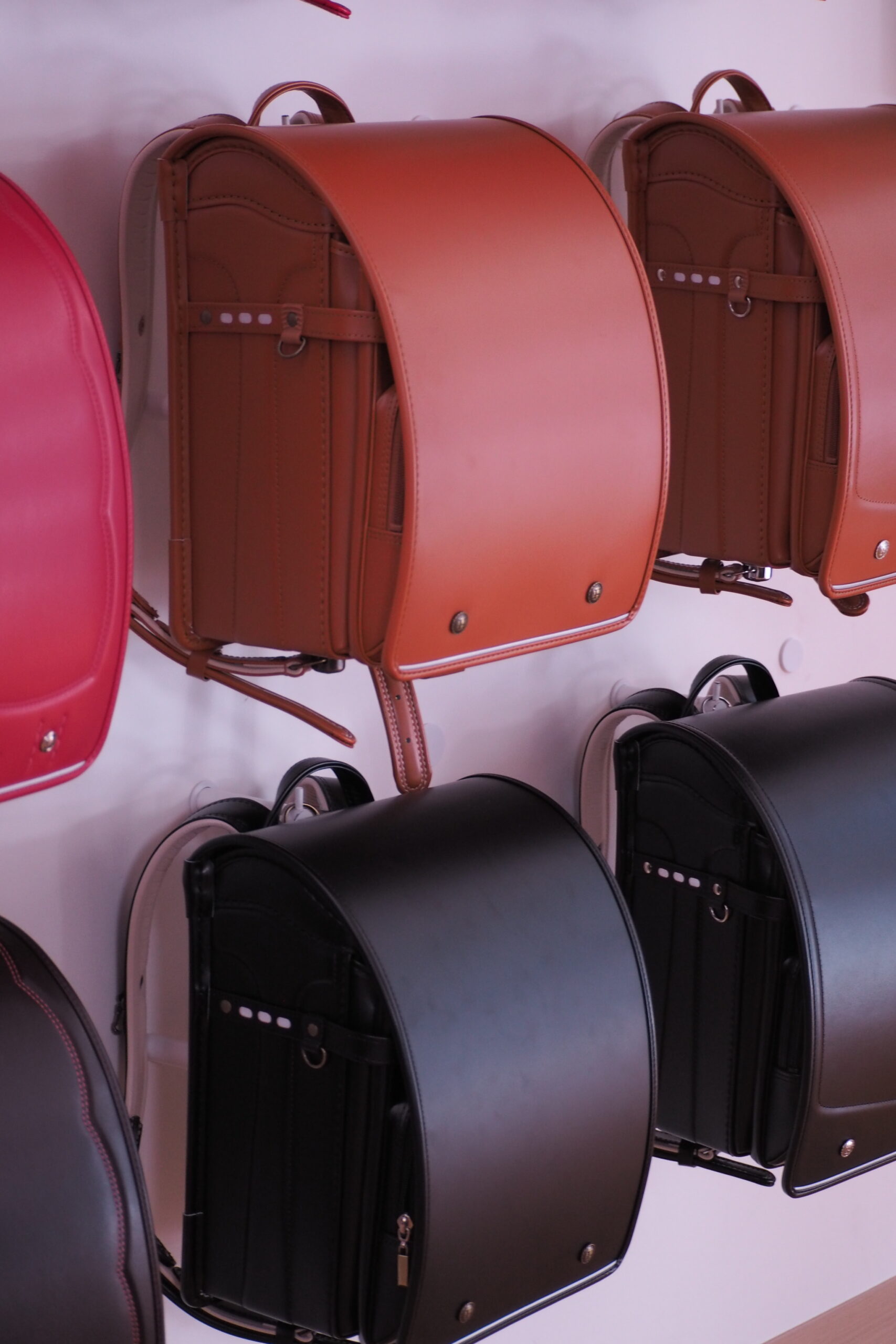
Look at a randoseru from the side and its design becomes especially clear: a firm, upright body, two shoulder straps and a long flap curving over the top. It has the presence of a little piece of luggage. The same recognizable outline appears in the hands of shop staff, on a child’s back and beside a desk at home.
That shape has a history. It also has a daily job: carrying the things a child needs for school. Following those two threads leads from nineteenth-century institutions to a much more intimate question—what does a family imagine when choosing an object for several years of a child’s life?
A school bag with a longer history
The name comes from the Dutch ransel, a word for a backpack or knapsack. A National Diet Library account traces the Japanese bag’s ancestry through military equipment and the country’s nineteenth-century encounters with European institutions.
Two dates help explain its move into school life. Gakushuin’s museum dates the school’s adoption of the randoseru to 1885. The Randoseru Industry Association then links the familiar box-shaped version to an 1887 gift from Ito Hirobumi to the future Emperor Taisho, on his entrance to Gakushuin.
Those are stages in a changing design. The association’s chronology records further rules about color, form and dimensions in the following decade. A bag now associated with childhood took shape through institutional decisions over time; today’s assortment of school bags is a later chapter in that story.
What the shape does
The long flap closes over the opening, and the main compartment holds school materials. Behind the familiar outline lie practical decisions about storage, fit and keeping the bag’s shape.
Manufacturers solve those practical tasks in different ways. In its description of one model, Seiban explains a reinforced body intended to resist losing its shape, along with curved shoulder straps and back padding designed for fit. It also describes storage for books, notebooks and a tablet. Construction varies across makers and models.
The familiar silhouette is therefore only the beginning of the object. Open it, turn it around or look at its side, and the smaller decisions come into view: how the flap fastens, where the pockets sit, how the straps adjust. What looks like a single standard bag contains many variations.
Why six years matters
Elementary education in Japan lasts six years. That span helps explain the attention given to a randoseru’s construction and continuing care. Seiban, for example, explicitly describes designing for six years of use.
The expectation also appears in aftercare. Tsuchiya Kaban offers a six-year repair guarantee, with its own terms and exclusions. A repair service makes a practical point visible: the bag is expected to remain useful as school life goes on.
The hoped-for years of use give the purchase an unusual horizon. A family is choosing for an older child whose routines and preferences are still taking shape, while leaving room for needs to change.
Choosing a color, sharing a decision
The familiar outline leaves room for a child’s taste. Among respondents to the Randoseru Industry Association’s 2026 survey, black remained the leading choice reported for boys, while purple and light purple led for girls. The report also highlights the importance of a child’s preferred color in purchasing decisions.
A separate 2026 report from the manufacturer Seiban describes adults taking more of a role in functional choices and children in design and color. It also records grandparents contributing to payment.
That division of attention is easy to understand. An adult may be imagining the daily journey, the contents and years of use. A child may be drawn first to a particular color or detail. A gift can bring another person’s hopes into the choice. The bag sits where those different ways of looking ahead meet.
What goes inside matters, too
Questions about weight also lead beyond the bag itself. In a notice issued on 6 September 2018, Japan’s education ministry asked schools to reconsider the weight and volume of pupils’ belongings in light of learning needs, development and the burden of the journey.
The accompanying examples included leaving materials at school when they were unnecessary for home study, spreading supplies across different days and staggering the return of bulky items at the end of a term. These were examples of arrangements schools could make, with local circumstances taken into account.
That brings the story back to the school day: what needs to travel, what can stay in a classroom, and how those decisions reach families. The bag’s design is part of that routine. The timetable and the materials packed into it matter as well.
For the wider setting of that journey, read our feature on Japan’s school commute and the feelings behind it.
A familiar sight, with room for difference
Expectations can differ by place. Kawasaki’s board of education says its municipal elementary schools do not require a randoseru. Its guidance asks families to choose a suitable backpack that carries school materials without placing an excessive physical burden on the child. That local flexibility is part of the story behind the familiar silhouette.
The bag after the school day
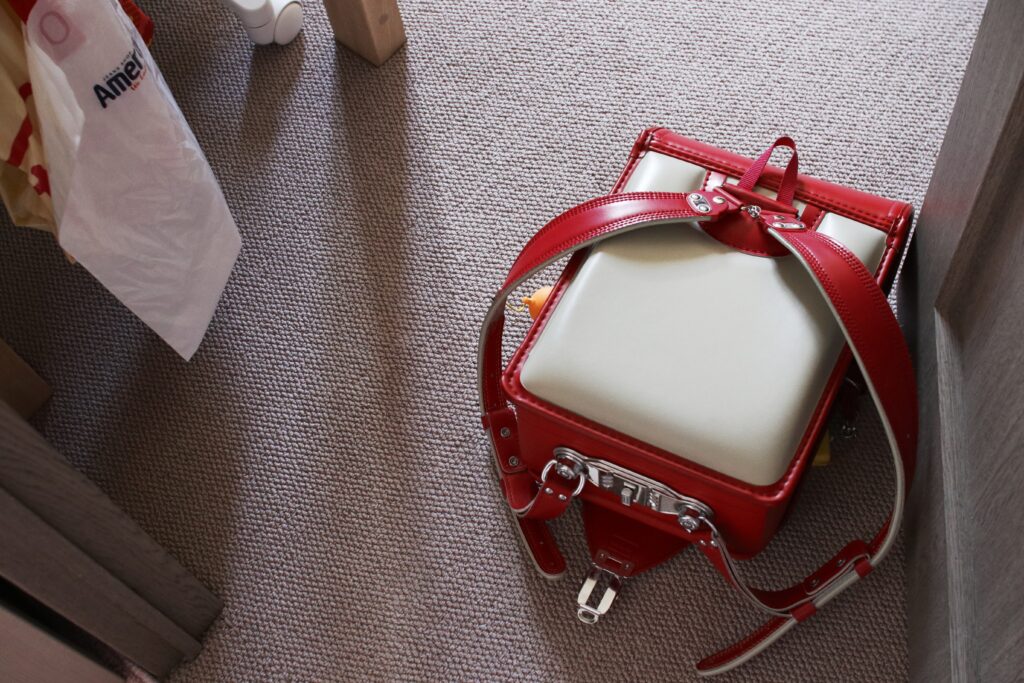
A shop display shows the randoseru before it belongs to someone. At home, it becomes part of a routine: opened for the next day’s materials, fastened again, put in its place.
Part of its emotional force may come from the years a family imagines at the moment of choosing it. As those years pass, an object selected for the future becomes associated with ordinary days already lived.
The randoseru’s shape carries that double meaning. It is a piece of practical equipment, with a history in its construction. It can also become a familiar possession whose meaning grows through use—one school day at a time.
Sources & further reading
Researched from historical collections, official education guidance and published accounts from manufacturers and the industry association. Sources checked on 17 October 2026; photographs are dated in their captions.
- National Diet Library Newsletter No. 172 (2010) — the military backpack and the randoseru’s history.
- Gakushuin Museum: online collection — school adoption in 1885.
- Randoseru Industry Association: historical timeline and 2026 purchasing survey.
- Ministry of Education, Culture, Sports, Science and Technology: education overview and 2018 guidance on pupils’ belongings.
- Seiban: a model’s construction and features and 2026 family purchasing report.
- Tsuchiya Kaban: six-year repair guarantee — service terms and exclusions.
- Kawasaki City Board of Education: school bags — municipal elementary-school guidance.
Keep exploring