After the Final Bell: Japan’s School Clubs Are Changing
For decades, the familiar sound of an after-school practice has helped define adolescence. Now the meaning—and the location—of a school club is shifting.
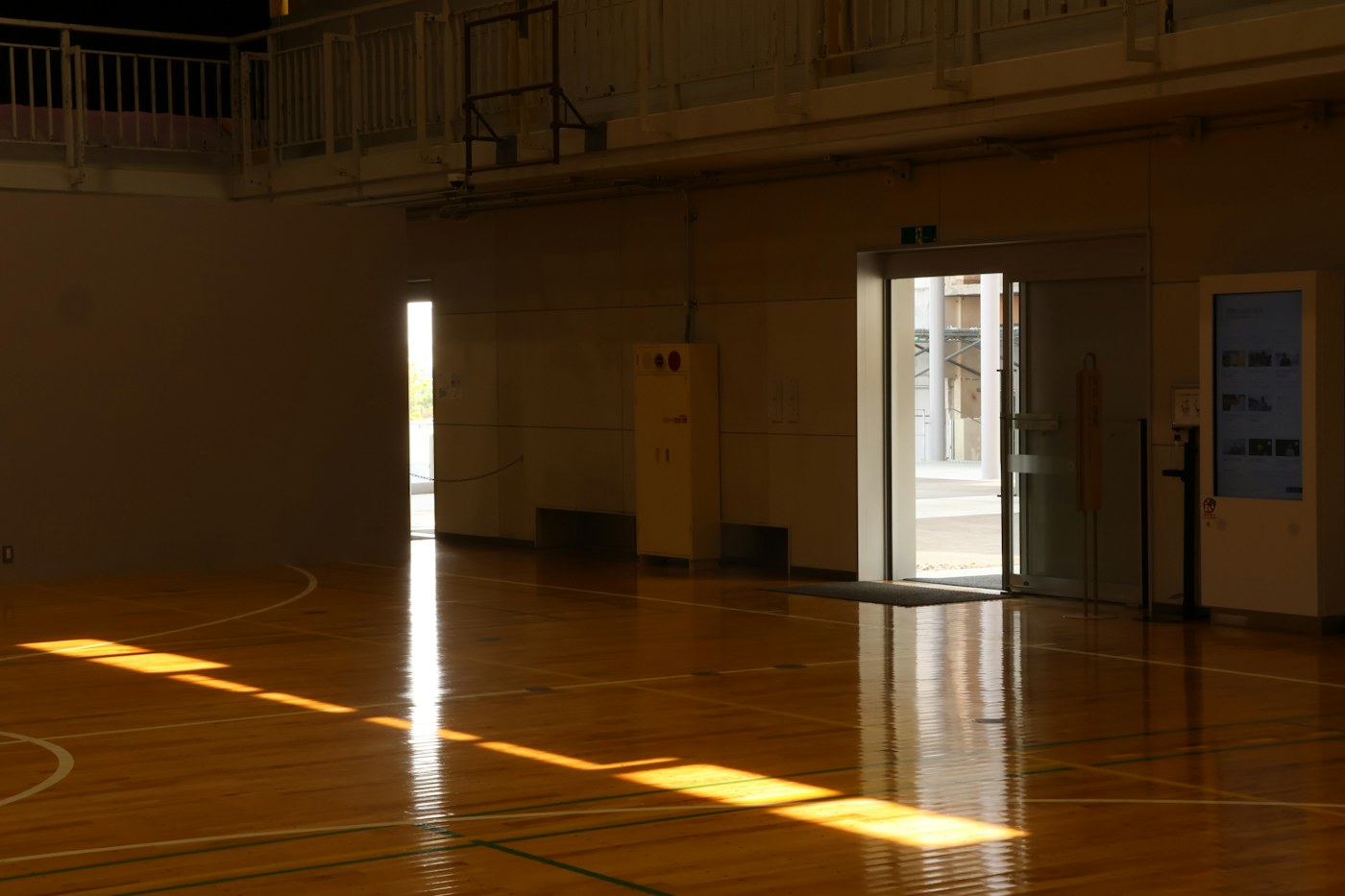
The final bell has rung, yet the school is far from empty. In a familiar picture of Japanese adolescence, a basketball bounces in the gym, instruments sound from a music room and someone is still practising the same movement long after lessons have ended.
If you learned about school life through manga or anime, you may think that clubs are simply the backdrop to friendship and a first crush. They can be that. But the Japanese word bukatsu—short for bukatsu-dō, club activities—also points toward a system that has asked students, teachers and families to give it considerable time.
That system has never looked identical in every school. And in 2026, it is undergoing a particularly important change.
What counts as bukatsu?
School clubs can include sports such as baseball, football, basketball and athletics, as well as cultural activities such as brass band, art, drama and science. They are often associated with junior high and high school, although the opportunities, organisation and participation rates differ by school and region.
A club may practise on weekdays, prepare for tournaments or performances, and develop routines that make the group feel like its own small community. Older members may show newer members the ropes; advisers may guide them; friendships may grow through repetition as much as through major events.
But club membership is not an automatic legal duty of every Japanese student. Guidance from Japan’s education authorities clarifies that participation is voluntary and that schools do not necessarily have to operate such clubs. The familiar fictional image of ‘everyone joins a club’ is not the whole picture.
The life lessons—and the price of time
Ask what a club teaches, and the answers can be appealing: teamwork, perseverance, responsibility, a chance to try something unfamiliar. For students who find confidence on a sports field or in a rehearsal room, those hours can become some of the most meaningful memories of school.
Yet time matters. Practices, competitions, preparation and travel can be difficult to balance with homework, entrance-examination study, family responsibilities or simple rest. A student who dislikes the atmosphere of a particular club should not be treated as though something is wrong with them.
The pressure is not only on students. Traditionally, teachers have often been involved in supervising and organising clubs, sometimes outside ordinary classroom hours. Demands on teacher time are one reason Japan has been debating how to sustain extracurricular opportunities without relying indefinitely on the same arrangement.
Why the old model has become harder to maintain
Demography is part of the answer. In regions with fewer children, a school may struggle to form a whole team or support a wide variety of clubs. A student might love a particular sport but find that their school has too few members for a team—or that the relevant activity is not offered at all.
Japan’s Ministry of Education, Culture, Sports, Science and Technology (MEXT), together with agencies responsible for sport and culture, has been developing a model in which schools cooperate more closely with community organisations, local sports groups and cultural providers.
The idea is not that students should stop playing or performing. It is to create opportunities that can continue when the number of students, the staff available and the needs of local communities have changed.
What is happening during the reform period?
Japan’s updated national guidelines, issued in December 2025, established a new framework for club-activity reform and community-based activities. A reform execution period begins in fiscal 2026 and extends over six years. One aim described by MEXT is the transition, in principle, of holiday club activities toward community-based arrangements.
That sentence needs context. It does not mean that every school club disappeared in April 2026, or that every weekday activity instantly moved outside school. Implementation depends on municipalities, activity types, staffing and local facilities. School-based clubs and community programmes are expected to coexist through a period of adjustment.
Important questions remain: Who can lead a safe practice? How far must a child travel? What will the activity cost? Can a student with a disability participate? Will a child in a rural area have a choice beyond the one club a school could previously support?
Those are not side issues. They determine whether reform produces broader opportunities or simply moves the burden from a school to a family.
The difference between a school club and juku
International visitors sometimes hear that Japanese students are busy after class and imagine all activities as one system. They are not. Bukatsu refers to extracurricular clubs, usually focused on sport or culture. Juku typically refers to private supplementary education or tutoring, often concerned with academic study and examinations.
Some students participate in both; some choose one; others do neither. Family finances, school schedules, interests and region shape what is possible. Treating all Japanese teenagers as equally busy, or equally enthusiastic, misses that diversity.
What anime gets right—and what it leaves out
Fiction often captures the emotional value of a team: a room that belongs to the group, a practice routine, the anticipation before a performance. Those feelings are not invented from nothing. School communities can be formative.
Less visible on screen are administrative meetings, transport arrangements, teacher workloads and families trying to fit everything into a week. Today, one more layer belongs in that story: changes in how children may access the activities they love.
Japan’s after-school club is both a cultural image and a changing public-policy question. Seeing both sides gives the final bell a different sound.
A question for the next generation
When a student finishes class, where should the next opportunity begin—in the gym down the corridor, at a local community centre, with a private instructor or in a setting no previous generation imagined?
There may not be one answer for all of Japan. But the purpose of the reform should be judged by the lives it improves: whether more children can discover something they enjoy, without the costs falling unfairly on the people around them.
Keep exploring
- Anime vs. Reality: What Japanese School Life Is Really Like
- Why Do Japanese Students Serve Their Own School Lunch? Inside Kyushoku
- The Tokyo Dream: Why Young Japanese People Leave Home—and Sometimes Return
Further reading & sources
- MEXT / Japan Sports Agency: Comprehensive Guidelines on School Club Reform (December 2025)
- MEXT: Reiwa-Era Club Activity Reform and the Community Transition (January 2026)
- MEXT: Guidance on School Clubs and Community Activities
Schools, local policies and travel facilities may have different rules; consult their current official guidance. All photographs are illustrative.





Comments