Rural Japan & City Dreams · 10 minute read
The Tokyo Dream: Why Young Japanese People Leave Home—and Sometimes Return
Ambition, freedom, loneliness, and the complicated meaning of home.
LAYERS OF JAPAN
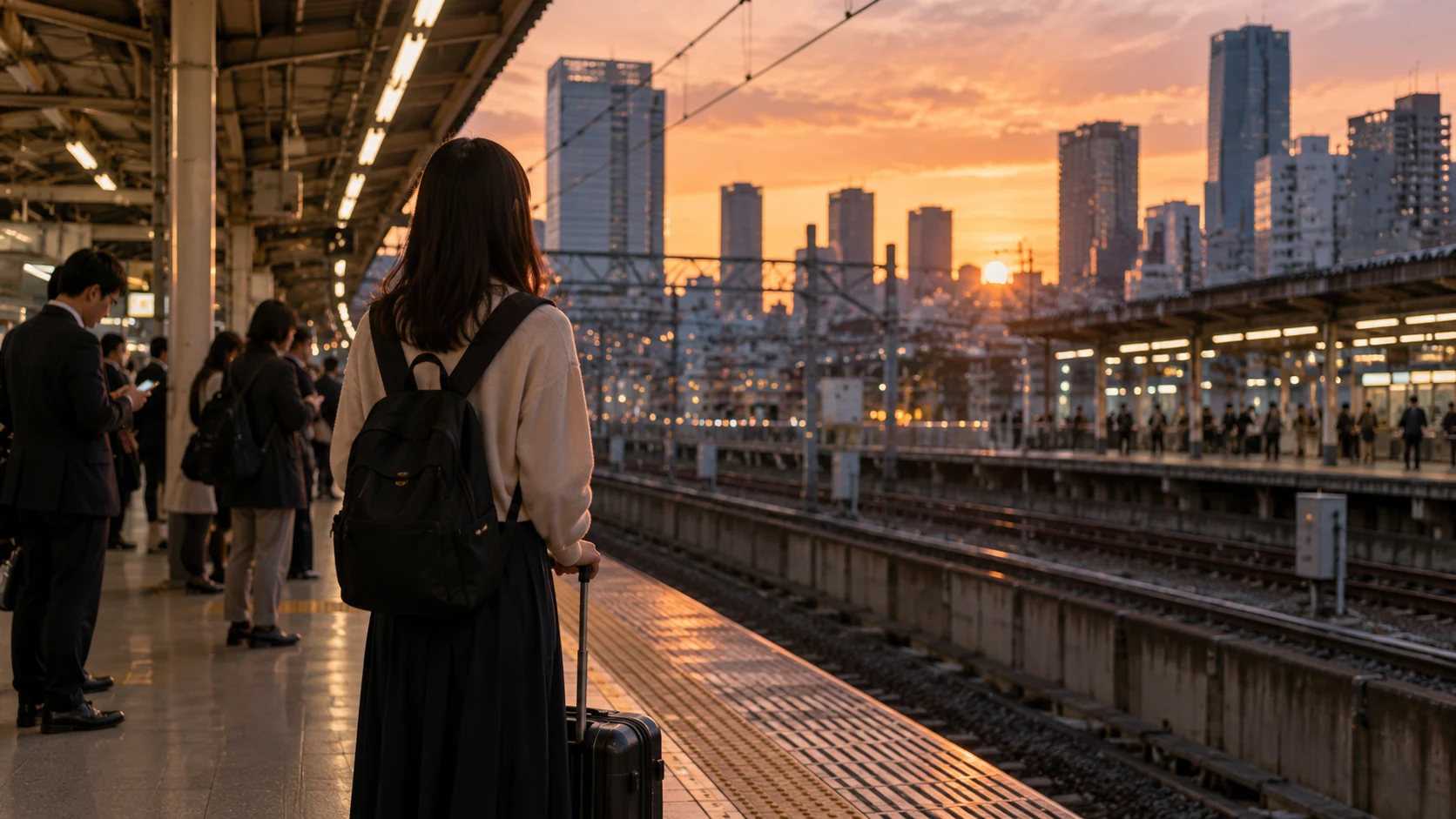
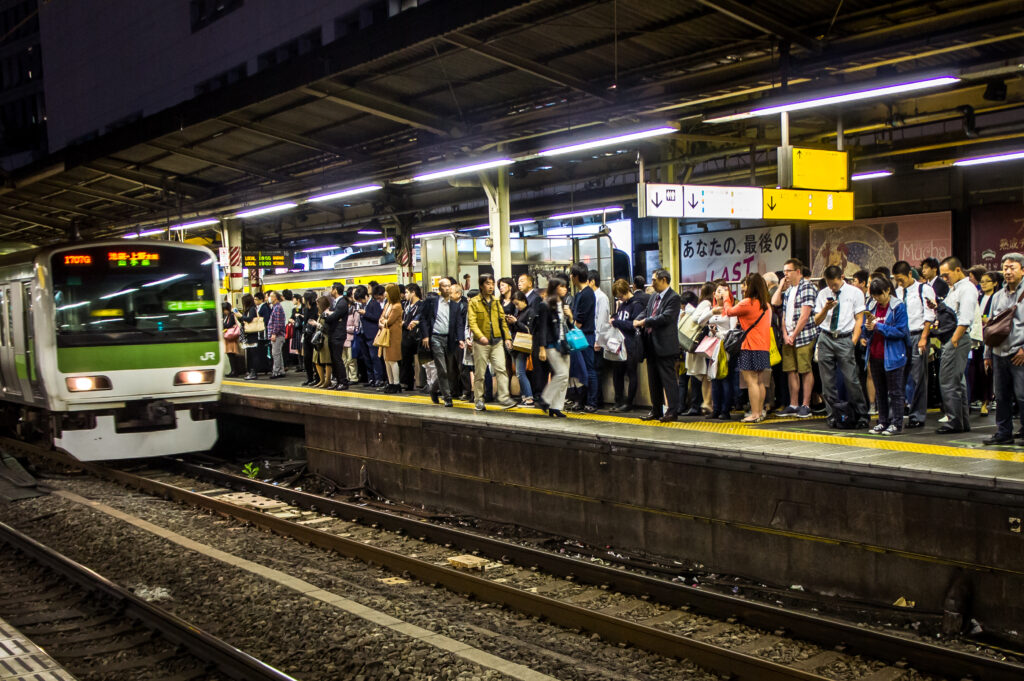
At a railway station in the early evening, a young person waits beside a suitcase. The departure board changes; a train draws near. Behind them is a familiar hometown. Ahead lies Tokyo, a name that can feel less like a city than a promise.
Perhaps they are moving for university. Perhaps for a job, a creative career, or the chance to live without being known by everyone in their neighborhood. Perhaps Tokyo was never the dream at all; it was simply where the opportunity happened to be.
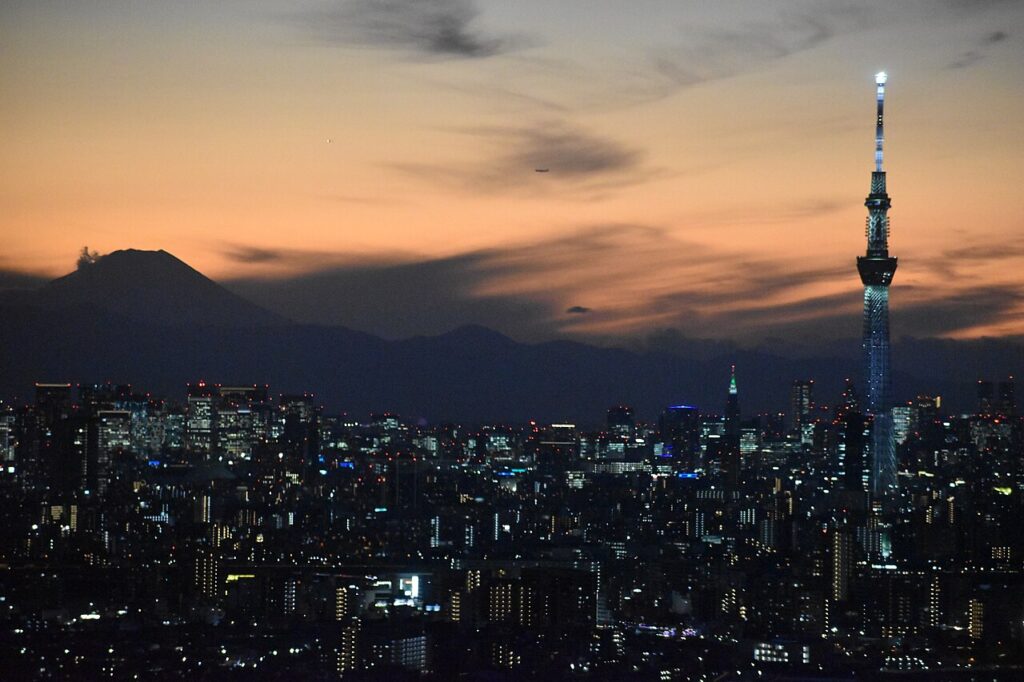
For people outside Japan, the country is often represented by Tokyo’s bright intersections, towers, entertainment districts, and enormous railway stations. But Tokyo is also the place where people from elsewhere in Japan try to build ordinary adult lives: finding an apartment, learning to navigate a commute, making friends, spending carefully, and calling home.
Sometimes the biggest move is not the distance between two stations. It is the distance between the life other people imagined for you and the life you want to try.
1. The Numbers Behind the Journey
The movement toward Tokyo is not simply a theme in novels or television dramas. It appears in Japan’s population statistics.
According to the Statistics Bureau’s 2025 annual report on movement recorded in the Basic Resident Register, the Tokyo metropolitan area—Tokyo, Kanagawa, Saitama, and Chiba—had 123,534 more people moving in than moving out over the year. This was a smaller net inflow than in 2024, but still a substantial one.
The figures for Japanese nationals show how strongly this movement is associated with early adulthood. The largest net inflow was among people aged 20–24: 80,443 in 2025. These are net flows, not the total number of young people who moved, and they describe the four-prefecture metropolitan area rather than the city of Tokyo alone.
The statistics tell us where people moved, not what every individual hoped to find. For that, we must look at education, work, and the decisions families make when the next stage of life begins.
2. The Education You Cannot Find at Home
A young person may love their hometown and still want a course of study it cannot offer.
Japan has many universities and vocational schools outside Tokyo, and some regions offer outstanding specialist programs. But universities, industry connections, internships, and particular fields of study are distributed unevenly. Moving for education can therefore be a practical choice rather than a rejection of local life.
A Cabinet Office report on Tokyo’s concentration describes several reasons students gave for leaving their home regions: wanting to live independently, not finding a suitable course locally, seeking an institution that matched their academic aspirations, and wanting to meet new people.
These are different reasons, with different emotional meanings. For one student, the departure is exhilarating. For another, it is expensive, frightening, or simply unavoidable if they want to pursue a specific path.
The train ticket may represent possibility. It may also represent a sacrifice made by the student and their family.
3. Tokyo Is Also a Place to Become Someone Else
There is another kind of opportunity that does not fit neatly into a university prospectus or job advertisement.
In a smaller community, being known can feel reassuring. People remember your parents, your school, your achievements, your mistakes. There may always be someone willing to help.
But familiarity can also create expectations. Someone may feel that their choices are already understood before they have had the chance to make them.
Moving to a large city can offer a strange kind of freedom: anonymity. No one at the café knows the family business. New friends do not remember who you were in middle school. You can try a different hairstyle, interest, profession, or version of yourself without explaining the change to people who have known you for years.
That freedom is not uniquely Japanese, and Tokyo is far from the only place where someone can find it. But in a country where the capital concentrates cultural industries and educational and professional networks, Tokyo can make that possibility feel particularly visible.
Freedom, however, does not always feel comfortable at first.
4. A Room of Your Own—and Everything That Comes with It
For many young adults, moving to Tokyo means learning the arithmetic of independent life.
Rent must be paid. Utilities must be arranged. Groceries cost money. A short commute on a map may feel much longer when the train is crowded and the weather is bad. A new job may consume energy that once belonged to friends, music, or hobbies.
The city offers choices, but choices can be exhausting. There are neighborhoods to understand, job applications to submit, and relationships to build without the ready-made familiarity of home.
Life in Tokyo also varies enormously. Someone living with relatives, someone sharing a home, and someone renting alone face very different pressures. Students receiving family support have a different experience from those paying their own way. Not everyone struggles financially, and not everyone feels isolated.
Still, the contrast can be sharp: the city that looked limitless from a distance becomes a place of bills, deadlines, and laundry.
The dream does not necessarily disappear. It becomes a daily practice.
5. Lonely in a City Full of People
Tokyo is full of people, and that does not guarantee company.
At a station, a person can stand among hundreds of strangers and speak to none of them. After work, a small apartment may feel peaceful—or unexpectedly quiet. Messages from friends back home can be comforting, while also reminding someone of the birthdays, festivals, and ordinary conversations they are missing.
Such scenes are possibilities, not a description of every newcomer. Many people form close communities quickly through school, workplaces, neighborhoods, shared interests, or fandom.
But a large city asks people to make new connections deliberately. The relationships that once happened automatically—because neighbors met on the street or classmates had grown up together—may now require time, energy, and courage.
There is a difference between choosing independence and never needing anyone.
6. Why the First Job Can Decide Where Home Will Be
Tokyo’s pull is not only cultural. Employment opportunities and career networks matter.
The Cabinet Office’s 2024 regional analysis notes that many people who leave their home region to study in the Tokyo area subsequently find work there. Once friendships, professional experience, housing, and partnerships develop, the city can become home in its own right.
A return to one’s place of origin may sound romantic, but it often depends on whether appropriate work exists there. Wanting to go back is not the same as being able to build a sustainable life after returning.
In a survey discussed by the Cabinet Office, roughly two-thirds of respondents from the Chugoku region who had moved away said they would have preferred to remain if suitable and rewarding work had been available. That figure concerns a specific survey and region, not all young Japanese people.
It reminds us of something simple: love for a place does not remove the need for opportunity.
7. What Does U-Turn Mean in Japan?
In Japanese discussions of migration, U-turn describes someone returning to their home region after living elsewhere. I-turn usually means moving to a region other than one’s place of origin, often from a city to a rural area. J-turn describes a person leaving their home region and later settling in a nearby regional city rather than the original hometown.
The labels make the movements sound tidy, like routes drawn on a map. Actual lives are less orderly.
Someone may return because a parent needs care, because they want to raise children near family, because a new job is available, or because they have discovered that their preferred pace of life is elsewhere. Someone else may return temporarily and leave again. Others choose Tokyo for decades and still feel attached to their place of origin.
The Cabinet Office’s analysis of students approaching graduation in 2025 found interest in returning home among some groups of young people who had moved away to study. Interest, however, should not be confused with actual relocation, and the intensity of that interest varied by region.
Moving back can be a beginning, not an admission that moving away was a mistake.

8. The Hometown That Changes While You Are Away
When people imagine returning home, they often picture a place preserved in memory.
But the hometown has continued living without them.
A familiar shop may close. A school may merge with another. A childhood friend may move away. An older relative may need help. A new café or local business may appear, changing a street that once felt entirely familiar.
Our earlier feature, When the Children Leave: The Quiet Future of Rural Japan, looked at what happens in communities facing population loss. Seen from the perspective of someone who left, the same changes can feel intensely personal.
A person can miss a place that no longer exists exactly as they remember it.
And they can come to love the place that has emerged in its place.
9. Staying Is Also a Choice
Stories about ambition often assume that the brave person is the one who leaves.
But that assumption is unfair to those who stay.
Choosing to build a career, raise a family, care for relatives, or create a business in one’s home region may require considerable imagination and determination. Regional cities and smaller communities are not waiting rooms for people who failed to reach the capital.
Likewise, people who leave should not be treated as disloyal or selfish. The movement of young adults is influenced by institutions, opportunities, family finances, and regional differences that no single individual can solve.
Not everyone wants the same future, and there should be room for many kinds of success.
10. Is the Tokyo Dream Changing?
There are signs of different ways to imagine work and home, including interest in remote work, regional entrepreneurship, and moves outside the largest metropolitan centers. But the newest population figures show that Tokyo’s pull remains significant.
Neither development cancels the other.
A young person may study in Tokyo and later work remotely from another prefecture. Someone may remain in Tokyo but travel often to care for family. Another may move from a small town to a regional city rather than the capital.
The important question is not whether everyone should stay or leave. It is whether young adults have real, sustainable options, wherever they decide to live.
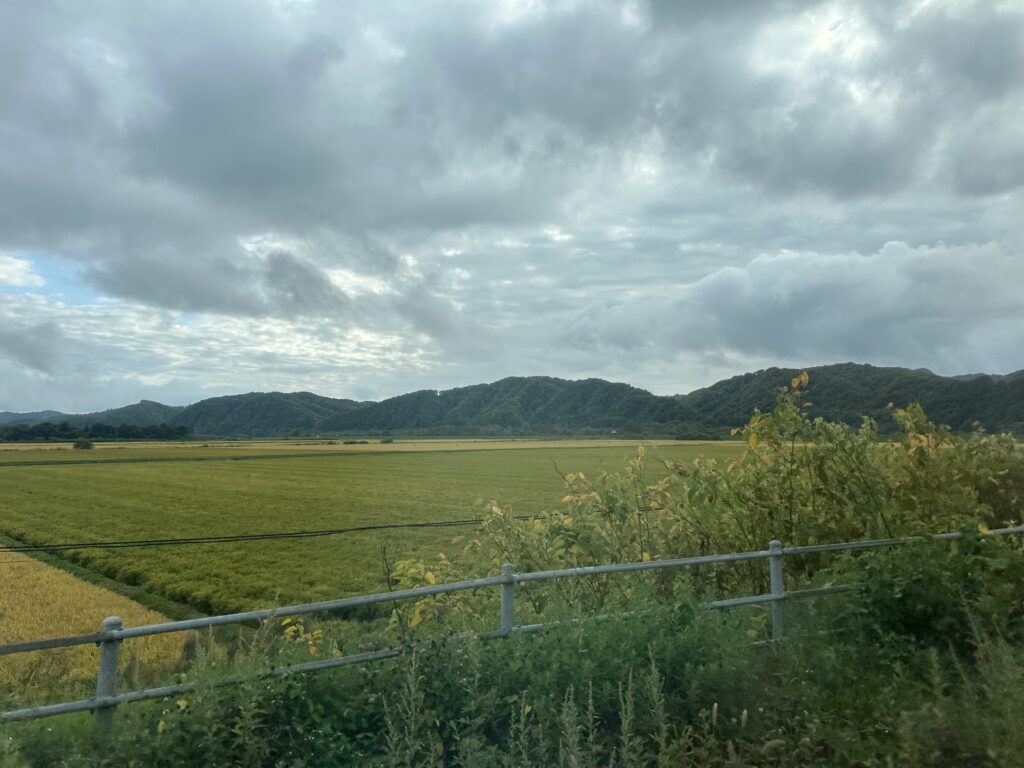
Tokyo is not a single dream. Rural Japan is not a single past. Both contain different futures for different people.
11. What Home Means After You Leave
Imagine another station platform, years later.
A person is waiting for a train, holding a smaller bag than on that first journey. Perhaps they are visiting family for a holiday. Perhaps they are moving back. Perhaps they are only passing through before returning to the city they now call home.
The place they came from still matters. So does the life they built elsewhere.
They may have gained freedom and lost some familiar comforts. They may have learned what independence costs. They may have found people who know them not as someone’s child or former classmate, but as the person they have become.
And somewhere along the way, the meaning of home may have changed.
Sometimes, leaving home is how we discover what home really means.
Not because everyone must go away to understand it, and not because everyone should return. But because choosing where and how to live is one of the ways a person begins to make a life their own.