Rural Japan & City Dreams · 11 minute read
When the Children Leave: The Quiet Future of Rural Japan
What happens to Japan’s beautiful villages when the next generation builds its life somewhere else? Beyond the postcard scenery lies a story of opportunity, loneliness, resilience, and the right to choose where to belong.
LAYERS OF JAPAN
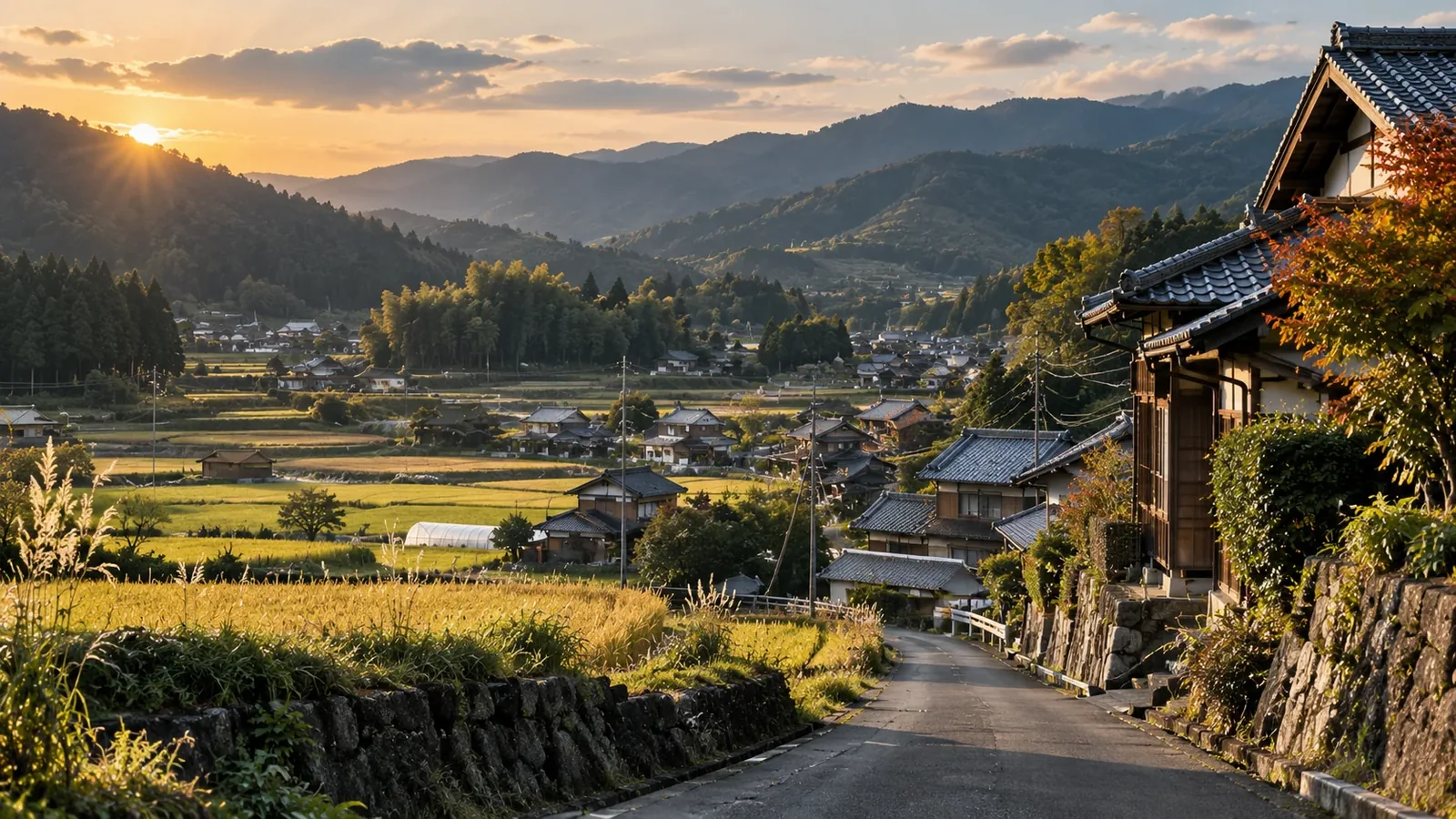
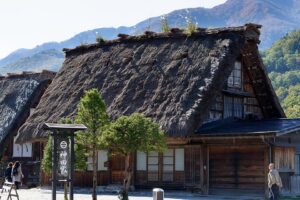
Imagine a narrow road running between old houses and rice fields. Mountains rise beyond the rooftops. In the early evening, a light comes on behind a wooden window, while the rest of the valley slowly turns blue.
For a visitor, the scene may feel like a glimpse of a Japan untouched by time.
But a photograph cannot tell you whether the bus still runs every day. It cannot tell you how far the nearest clinic is, whether the elementary school has enough pupils to remain open, or whether the last young person on the street plans to stay.
Nor can it tell you how the residents feel about the silence.
To one person, it may mean peace. To another, it may mean that the sound of children’s voices has become rare.
The Japan that looks most timeless from the outside is, in many places, changing profoundly from within.
1. The Japan We Fall in Love With
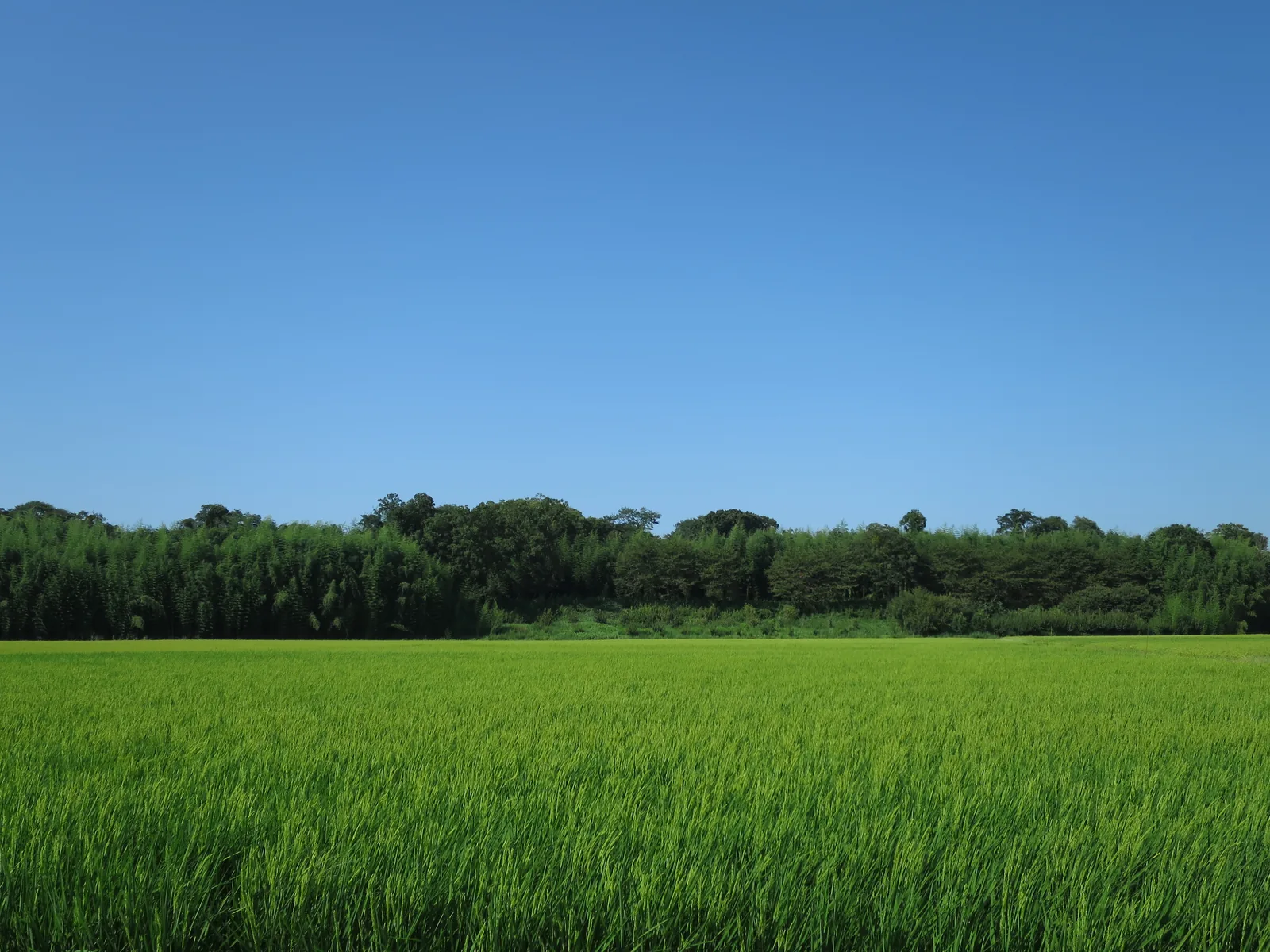
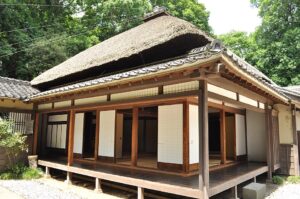
International photographs of rural Japan often show the same irresistible details: wooden houses, mist-covered mountains, rice terraces, lanterns, and quiet lanes where little seems to move.
These images are not false. They represent landscapes that are genuinely beautiful and culturally important. Farming communities have shaped much of Japan’s food, festivals, local architecture, and relationships with the seasons.
Yet a village is not a museum exhibit. It is somewhere people have appointments, bills, jobs, relatives, disagreements, and ordinary hopes for the future.
A picturesque old house can be a family home that someone is struggling to maintain. A nearly empty road can be a welcome escape from city traffic—or a reminder that public transport is limited. A quiet street can be restful in the afternoon and painfully isolated after dark.
None of those realities cancels the beauty of the view.
They simply ask us to look a little longer.
2. Why the Young Leave
A child can love a hometown and still need to leave it.
In many parts of Japan, moving away is closely tied to education. Young people may have to travel to another city to attend the university or vocational program they want. Later, the jobs they are qualified for may be concentrated in larger urban areas.
Japan’s 2025 gender equality white paper offers an especially revealing perspective. It identifies limited opportunities for further education and desired employment among the main reasons young people leave their home regions. It also records that some young women describe wanting to escape social expectations or interference from family and people around them.
This matters because discussions of rural decline sometimes treat young people as though they have simply abandoned places they should have protected.
But leaving is not always a rejection of home. Sometimes it is an attempt to build a life that would be difficult to build there.
A young woman may want a particular career, the freedom to live alone, or a community where she does not feel bound by an expected role. A young man may want an apprenticeship, a broader professional network, or a job that can support a family.
They may still miss the scenery, the food, and the people who raised them.
Love for a place does not remove the need for opportunity.
3. The Day a School Closes
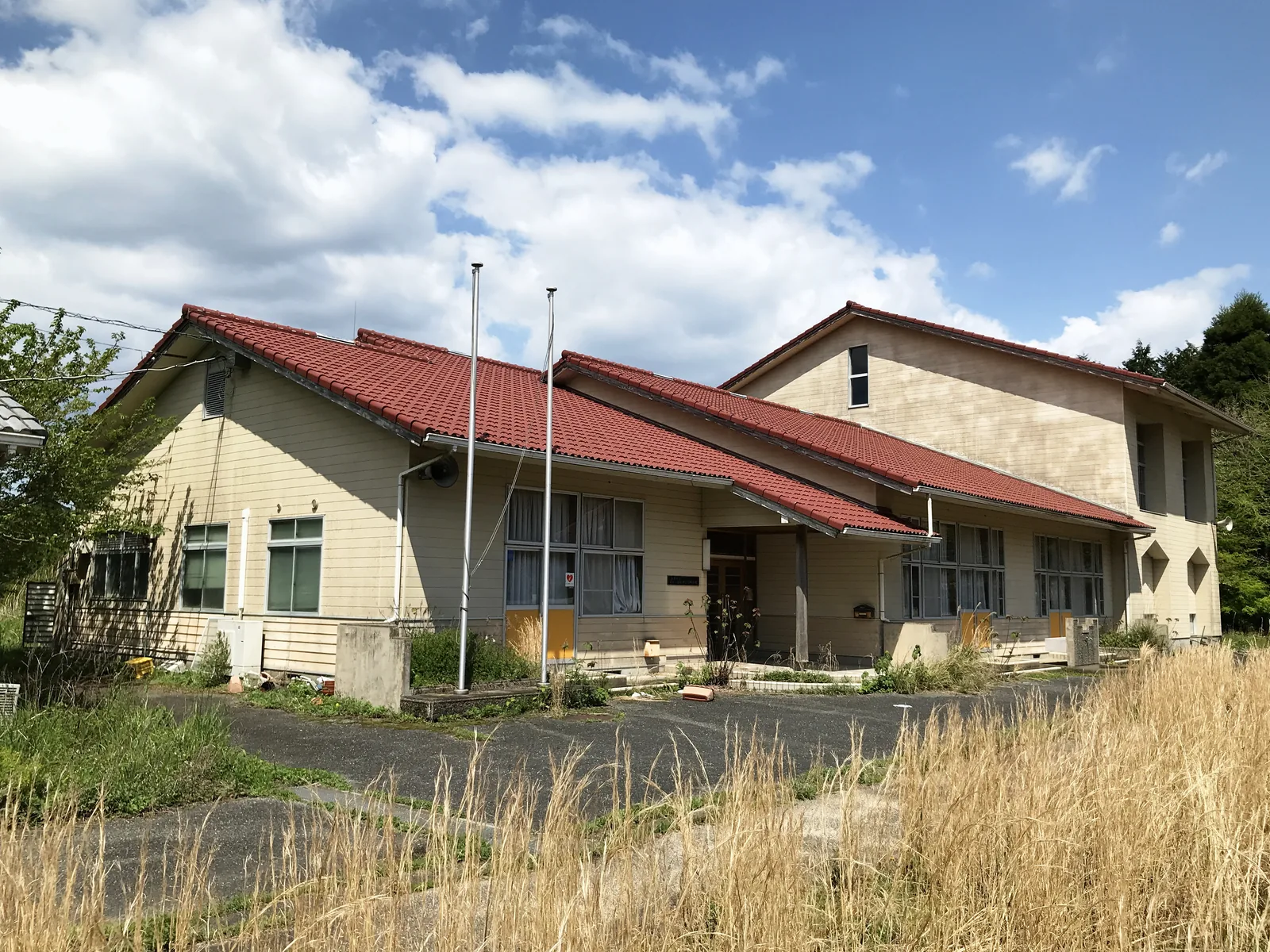
Perhaps no building makes population change more visible than a school.
An elementary school is more than classrooms. It is where children meet friends, where families gather for sports days, and where adults remember their own childhoods. Its presence helps give a community a sense of continuity.
When there are too few pupils, schools may be consolidated or closed. For families, that can mean a longer journey for children. For a neighborhood, it can mean the loss of a familiar gathering place.
According to Japan’s Ministry of Education, 8,850 public schools closed over the 20 fiscal years from 2004 through 2023. This figure covers closures across Japan; it should not be read as a count of vanished rural villages.
There is an important second half to the story. As of May 2024, buildings remained at 7,612 of those closed-school sites, and 5,661 of them were being used for other purposes—including community facilities, welfare services, and other local projects.
A closed school, then, is not always the end of a building’s usefulness.
But the disappearance of a school as a school still marks a change that statistics alone cannot express.
Imagine the last graduation ceremony. The desks have been cleared, the children have gone home, and the corridors that once carried their footsteps become quiet.
It is a powerful image, even when the building eventually finds another life.
4. When Everyday Life Requires a Longer Journey
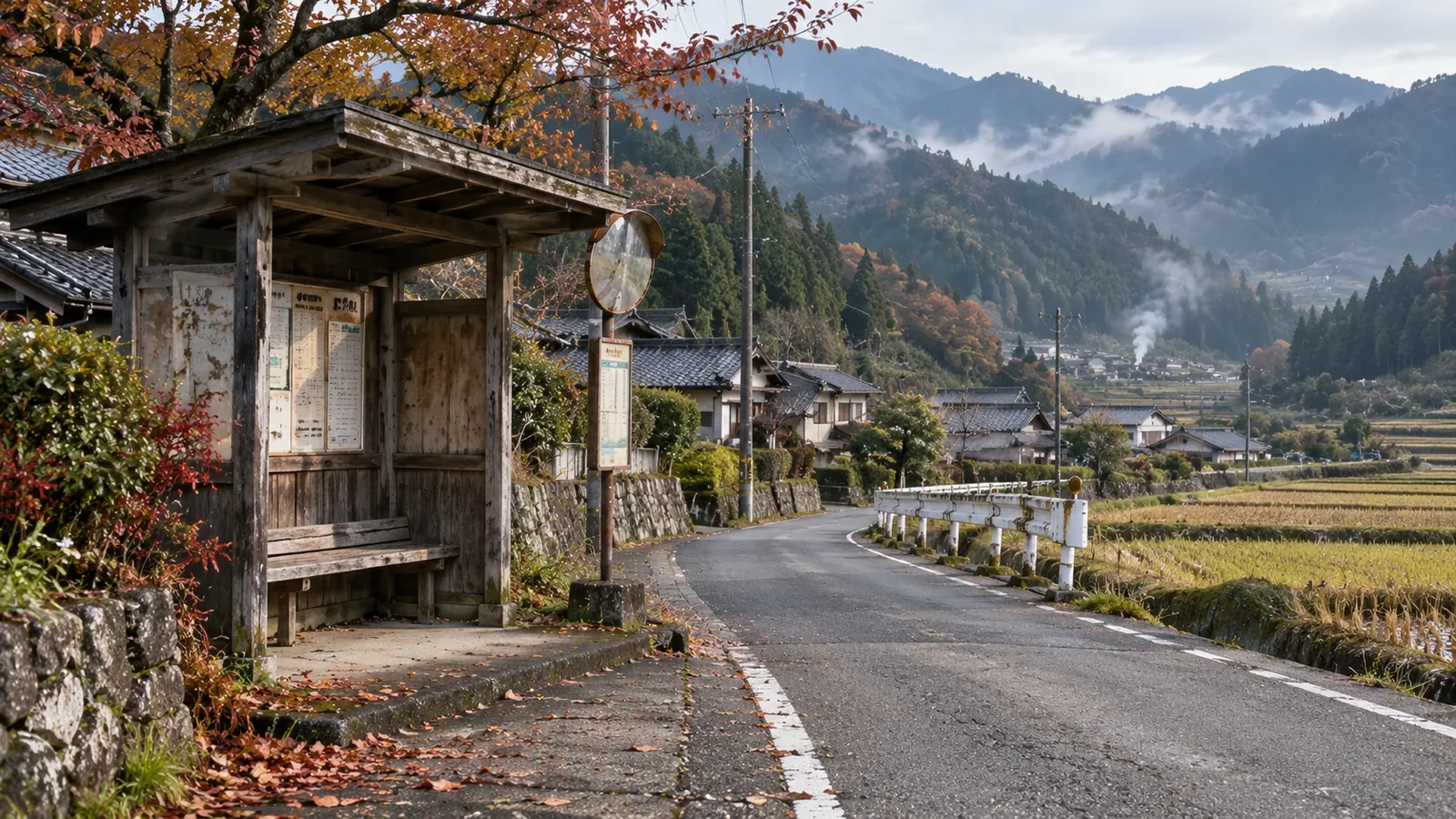
For residents of some shrinking communities, demographic change appears in very practical ways.
The local shop may close. A bus route may run less frequently. A trip to the supermarket or hospital may depend on having a car or on a relative being available to drive.
These difficulties can weigh heavily on older residents and people who cannot drive. A distance that feels trivial to a tourist with a rental car may feel very different to someone who must cover it every week.
And yet it would be wrong to portray all rural Japan as helpless or cut off. Conditions vary widely. Some towns have strong public services, regional hospitals, lively businesses, and innovative transport arrangements. Others face serious challenges.
The important question is not whether a place looks remote on a map.
It is whether the people who live there can reach the things that make everyday life possible.
When we admire a quiet village street, we might ask: Quiet for whom—and at what cost?
5. The Empty House Is Not Always an Abandoned Dream
Japan’s empty houses have attracted international attention, often under the Japanese word akiya.
The numbers are striking. Japan’s 2023 Housing and Land Survey recorded approximately 9.002 million vacant dwellings—13.8 percent of all dwellings nationwide.
But those figures require care. They include categories such as vacant rental properties and homes for sale. They are national totals, not a count of ruined countryside houses, and not every vacant dwelling is deteriorating or permanently abandoned.
The more complicated cases are houses that families no longer live in but have not sold, renovated, or demolished.
A home may have passed to heirs who live far away. Repairs may cost more than the property seems worth. Families may disagree about what to do, or simply find the decision emotionally difficult.
The house may hold memories of grandparents, summer holidays, and generations of ordinary life.
To an outsider, it is an attractive old building.
To its owner, it may be both a responsibility and a piece of family history that is difficult to release.
Some such properties can become new homes or businesses. Others have structural or legal problems that make restoration difficult. The dream of buying an inexpensive Japanese farmhouse is real for some newcomers, but cheap purchase prices do not make repairs, permits, maintenance, or daily life inexpensive.
An empty house is not always an easy opportunity. Sometimes it is a question no one has yet been able to answer.
6. The People Who Choose to Stay
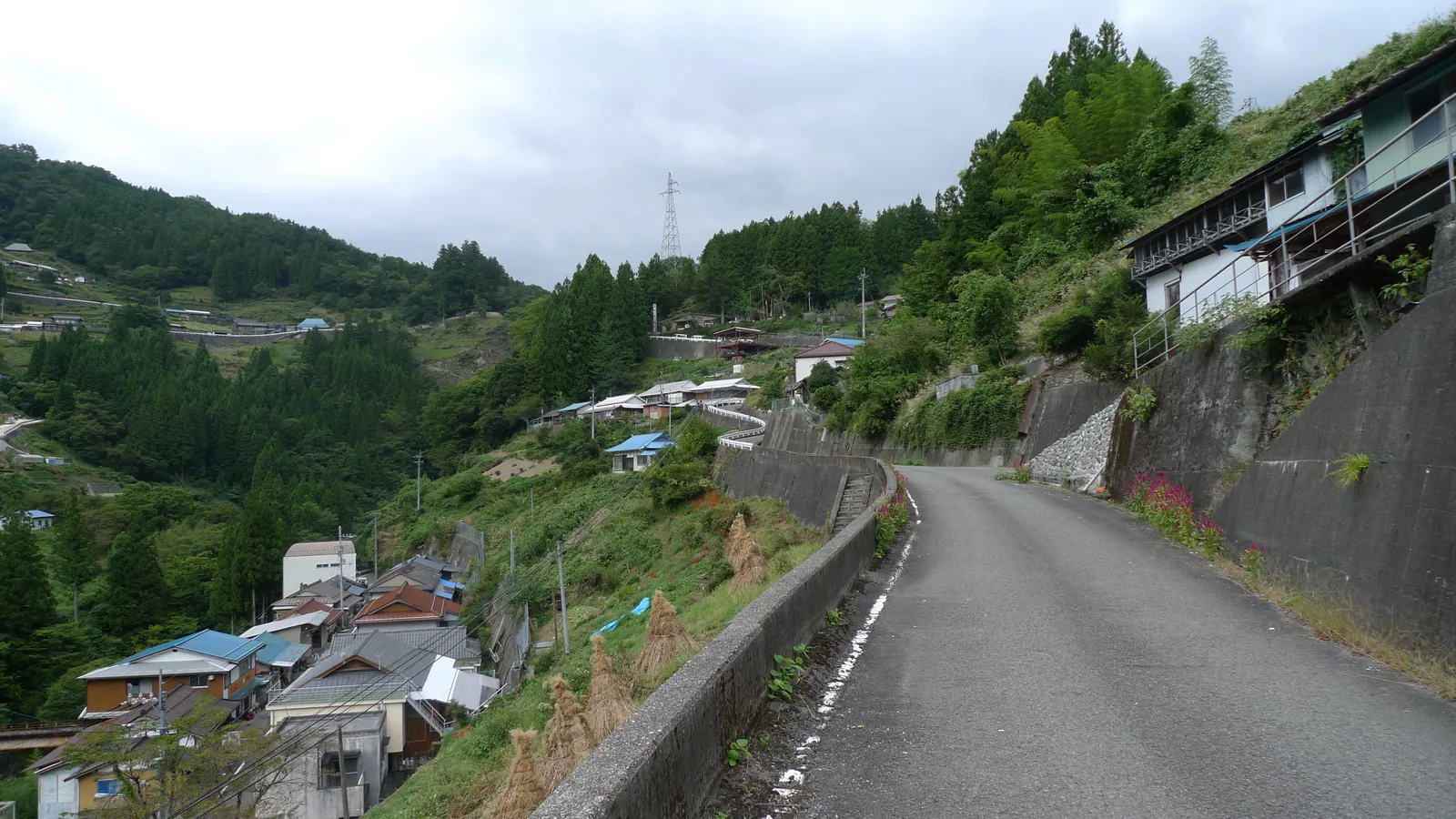
There is another danger in telling a story about rural decline: allowing those who leave to become its only characters.
People remain in these communities for many reasons.
Some work the land their families have farmed for generations. Others run local businesses, care for relatives, or simply prefer the scale and rhythms of smaller places. They may value strong social connections, room to breathe, familiarity, or access to nature.
Their lives are not merely waiting rooms for an inevitable disappearance.
A small community can be a place of purpose, ambition, creativity, and pleasure, just as a city can be. The presence of fewer people does not make the people who remain less important.
And not everyone views change through the same emotions. One resident may long for the return of a bustling shopping street. Another may welcome a quieter life. A third may be busy organizing a festival or preparing a new business.
Without speaking to particular residents, we should not pretend to know what any one village feels.
What we can say is that the future of rural Japan should not be discussed as though its residents were already absent.
7. Newcomers, Returnees, and Second Beginnings
The movement of people is not only in one direction.
Some former residents return after studying or working elsewhere. Others move to the countryside for the first time, drawn by family ties, a different pace of life, the possibility of opening a business, or work they can do remotely.
Local projects have converted former schools into useful facilities and brought older properties back into use. Government programs have also explored ways of supporting migration and living across more than one region.
These developments offer possibilities, but they are not miracle solutions.
A newcomer still needs work, transport, healthcare, schools where relevant, and the trust of the community. Remote work helps only where the job permits it and reliable digital infrastructure exists. A beautifully restored café cannot, on its own, solve a region’s shortage of medical staff or public transport.
Nor should the future of every village depend on becoming a destination for tourists or affluent outsiders.
Renewal works best when it responds to the lives and wishes of the people who already call a place home.
8. What Might Really Be Lost?
Population statistics can count people. Housing surveys can count dwellings. School records can count closures.
They cannot easily measure everything that gives a place its character.
There are farming techniques learned by watching older relatives. Local recipes adapted to the seasons. Festivals organized through relationships built over decades. Place names, ways of speaking, and stories associated with particular landscapes.
These traditions can change, travel, and survive in new forms. They do not necessarily disappear when someone moves to a city.
But some knowledge depends on being practiced together, in a specific place, by people who have the time and support to pass it on.
The question is not simply how to preserve an old building.
It is how to sustain a living relationship between place, people, and memory.
And that relationship may look different in the future from the way it looked in the past.
9. Does Every Village Need to Remain the Same?
The words save the countryside can sound straightforward. The choices are not.
Maintaining a school, a hospital, or a transport service across a sparsely populated region requires resources. Sometimes sharing facilities across communities may help keep essential services available. Sometimes residents may choose to move closer to family or to a town where daily life is easier.
Those decisions involve trade-offs. They should not be reduced to a romantic demand that everyone remain in the picturesque place that visitors wish to photograph.
A community can change and still have a future. A family can move away and still remain connected. An old school can become something new. Some settlements may grow; others may become smaller.
Perhaps the real measure of success is not whether every village looks exactly as it once did.
Perhaps it is whether people have meaningful choices—whether they wish to stay, leave, return, or remain connected from somewhere else.
The Lights That Remain
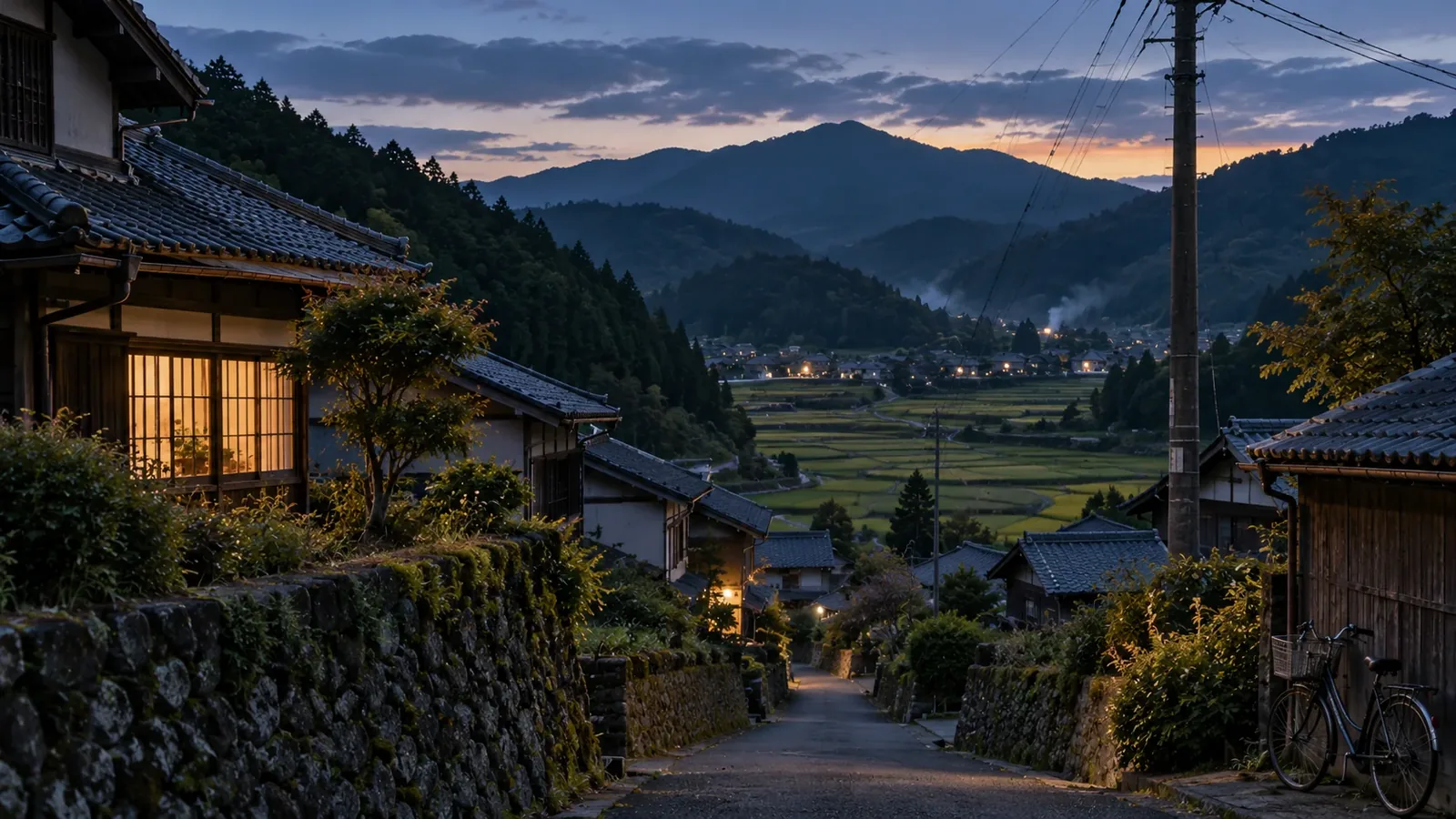
Return to that narrow country road at dusk.
The mountains are darkening. The rice fields catch the last of the light. A window glows in one house. Somewhere beyond the bend, a car is coming home.
To a stranger, the landscape may seem still enough to be a painting.
But it is not a painting. It is a place where life continues, where decisions are made, and where the future is not yet settled.
There is beauty in the silence.
There can also be loneliness, struggle, and the difficult work of adapting to change.
And there is the possibility that new forms of life will take root alongside the old.
The future of rural Japan is not simply a story about places disappearing. It is a story about the people deciding how to live with change.
Beyond the postcard, that is the Japan worth seeing.