The Yellow Sticker Hour: Why Japanese Supermarkets Mark Food Down
A small label on a bento can reveal an entire rhythm of shopping, fresh food, short shelf lives and the effort to waste a little less.
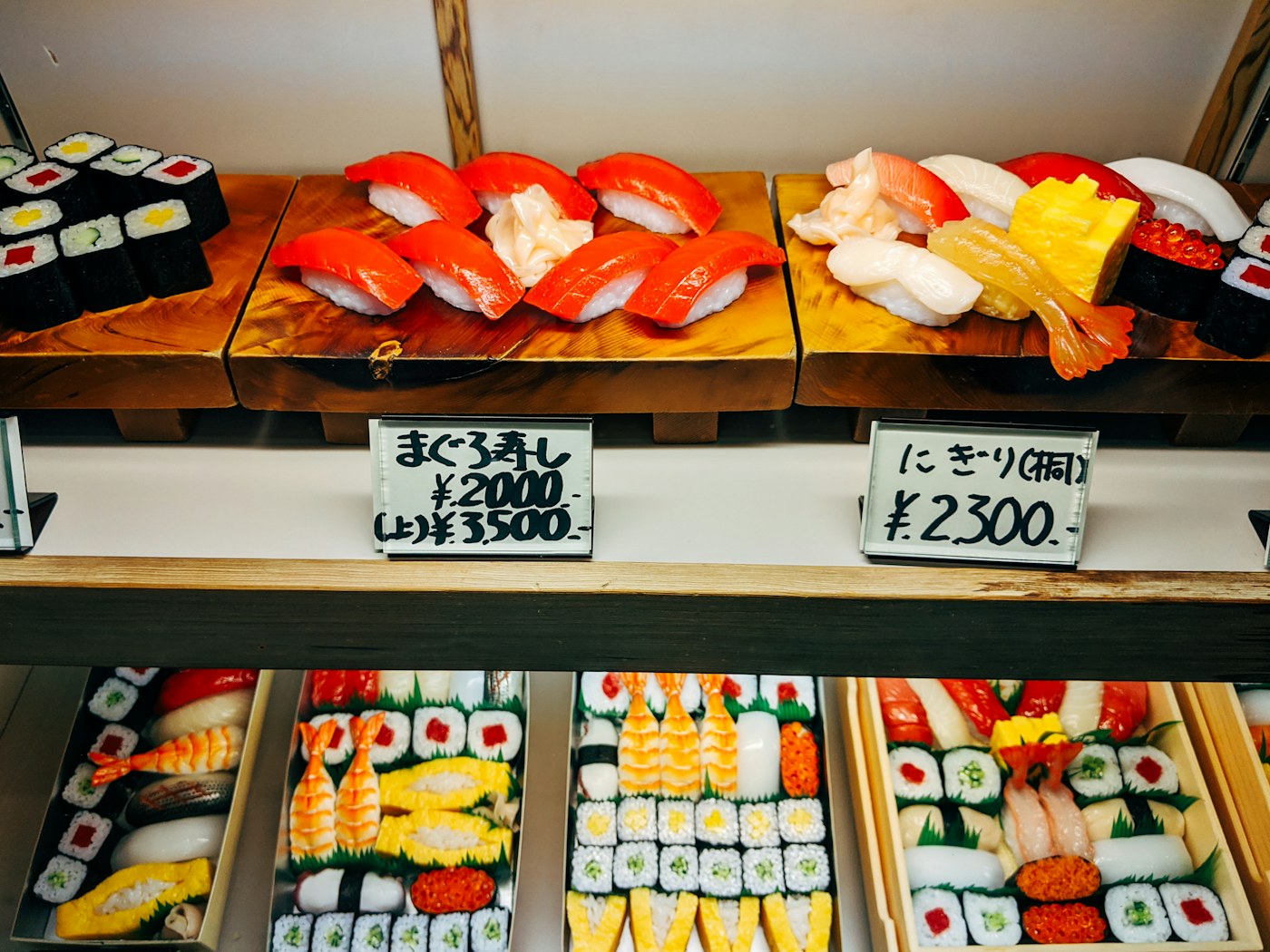
At certain hours, a shopper may notice that the familiar shelves of a Japanese supermarket have quietly changed. Prepared food that cost one price earlier now bears a bright label. Another package carries a small printed reduction. Someone pauses in front of the bento selection, deciding whether dinner can be both easy and inexpensive.
This is not a secret sale that happens everywhere at the same time. Stores set their own prices and markdown practices; some products sell out before any reduction appears. Still, those little stickers open a window onto an important part of daily Japanese food shopping.
They tell a story about the short life of prepared meals, the economics of freshness and what happens when perfectly edible food has too little time left on the shelf.
What does the sticker actually say?
The Japanese on a discount label can look intimidating, but a few terms do most of the work. 半額 (hangaku) means half price. 20%引 (nijuppāsento biki) is 20 percent off. 30円引 (sanjū-en biki) is a 30-yen reduction. A store may show the amount saved or the revised price, so check the whole label rather than the largest character.
These are useful signs in supermarkets, but there is no promise that every shop uses the same colors, design or discount schedule. A bright sticker signals a specific offer on a specific item, not a general national rule.
Why prepared meals are part of the story
Bento, sushi, croquettes, salads and other ready-to-eat dishes occupy a convenient place between cooking and eating out. They can help a busy household put together dinner without preparing everything from scratch. Their appeal is also one reason supermarkets have to think carefully about how much to prepare and when to sell it.
Compared with shelf-stable goods, many prepared dishes have more demanding storage and consumption requirements. A markdown offers a store a way to sell an item before its labeled deadline. It offers a shopper a cheaper option—but only if the meal suits what they actually need.
There is a social detail here too. Picking up dinner after work is not a lesser or less ‘authentic’ Japanese meal than one prepared from scratch. A supermarket counter is part of the everyday table.
Two dates that should not be confused
A discount label does not erase a food-safety label. Japan distinguishes 消費期限 (shōhi kigen, use-by date) from 賞味期限 (shōmi kigen, best-before date).
The Consumer Affairs Agency explains that a use-by date concerns safety: food should not be consumed after that date. A best-before date concerns the time through which a product can be enjoyed at its best quality when stored as directed; it does not have precisely the same meaning.
Many boxed meals and sandwiches carry use-by dates. Chips and other longer-lasting packaged foods may use best-before dates. Check the actual item, storage instructions and temperature requirements. Buying a discounted meal is only a bargain if you can store and eat it safely.
Discounts and the larger food-waste conversation
Japan’s Consumer Affairs Agency encourages shoppers to reduce food loss by checking what they already own, buying an appropriate amount and choosing items near the front of a shelf when they plan to eat soon. This last habit is often promoted as temaedori—taking from the front.
The government has also documented examples of retailers using discount labels or campaigns to draw attention to food near its sale deadline. That does not mean every markdown was created primarily for an environmental campaign; commercial decisions and waste reduction can overlap.
In figures announced in June 2026, the government estimated Japan’s edible food loss and waste for fiscal 2024 at approximately 4.61 million metric tons, including losses from both households and food-related businesses. The scale makes a humble sticker worth noticing without pretending it solves the problem by itself.
Is there a best time to arrive?
People sometimes speak of an ‘evening discount hour,’ but there is no reliable national timetable. The timing depends on the store, day, product, demand and staff decisions. Some prepared dishes will have been purchased before any markdown. A late trip could mean an interesting bargain—or an empty shelf.
For a visitor, it is better to treat the sticker as a chance discovery than to reorganize an entire evening around it. For a resident, the pattern may become familiar through repeated shopping at a particular store.
Most importantly, a discounted food item is not saving anything if you buy more than you can use and throw the rest away.
A little vocabulary for the shelf
If you remember only a few words, make them 半額 (half price), 値引き (nebiki) (price reduction), 消費期限 (use-by) and 賞味期限 (best before). The sticker may be the exciting part, but the date printed beside the ingredients is the part that deserves your attention before checkout.
The most ordinary Japanese dinner can be assembled in a supermarket aisle. When the bright labels appear, what you are seeing is not merely a bargain hunt. It is the nightly negotiation among convenience, appetite, retail economics and food that ought not to be wasted.
Keep exploring
- Japanese Bento: Homemade Lunches, Store-Bought Meals and Ekiben
- Inside the Depachika: Japan’s Department-Store Food Halls
- More Than a Konbini: The Store That Keeps Everyday Japan Running
Further reading & sources
- Japan Consumer Affairs Agency: Food Loss and Waste Reduction Campaigns
- Japan Consumer Affairs Agency: Food Labelling (English)
- Japan Consumer Affairs Agency: FY2024 Food Loss Estimate, Announced June 2026
Local policies and practical rules can change. Consult the relevant official source for current requirements. All images are illustrative.

Comments