Why Japan Still Uses Imperial Era Names
A date on a form can connect an ordinary day to the imperial throne. Here is how Reiwa fits beside the calendar you already know.
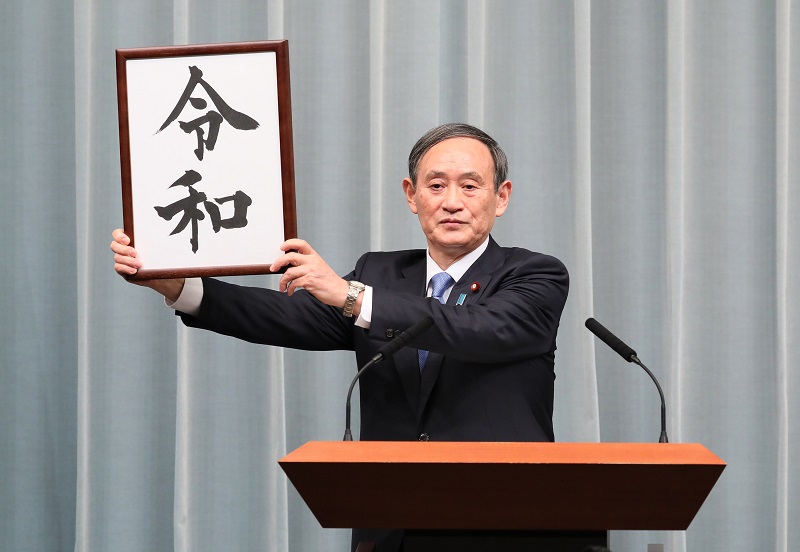
The year is 2026. In Japan, it is also Reiwa 8.
Neither date is a mistake. Japan uses the familiar Gregorian calendar while also numbering years within named imperial eras. An era name, called gengō or nengō, gives the year another reference point: the beginning of an emperor’s reign.1
For someone encountering Japanese paperwork, the surprise is often practical. A four-digit year becomes a short name and a number. Understanding that small change opens a window onto how imperial history remains present in ordinary life.
One calendar, two ways to label a year
“Reiwa 8” does not place Japan in a different month or season. The months and days still follow the modern Gregorian calendar. The year label is what changes.
Japan adopted the Gregorian calendar in 1873, during the Meiji era. The National Diet Library describes how abruptly the reform arrived: a date that would have been the third day of the twelfth month under the old calendar became January 1 of the new year. Adopting that calendar did not mean abandoning imperial era names.2
Reiwa 8 · The months and days stay the same.
What connects an era to the emperor?
The modern “one reign, one era” system began in the Meiji era in 1868. Japan’s 1979 Era Name Act provides that an era name is established by Cabinet order and changed only when the imperial throne passes to a successor.13
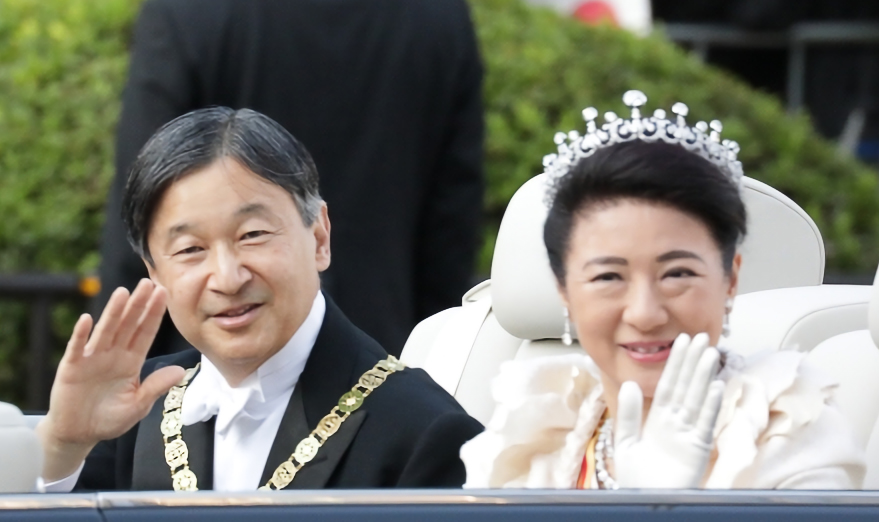
Reiwa began on May 1, 2019, when Emperor Naruhito acceded to the throne following Emperor Akihito’s abdication. The preceding era was Heisei. The change therefore divided 2019: January 1 through April 30 belonged to Heisei 31; May 1 onward belonged to Reiwa 1.1
The poetry inside “Reiwa”
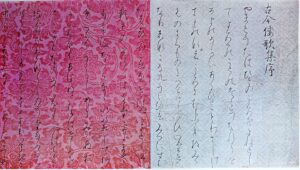
Reiwa is written 令和. The Japanese government explains the name in English as “beautiful harmony.” Its characters came from the introduction to a group of 32 poems about plum blossoms in Volume Five of the Man’yōshū, Japan’s oldest surviving anthology of Japanese poetry.45
That origin gives an administrative label an unexpected texture. A name printed on a form also carries a literary reference to plum blossoms. The practical date and the poetry occupy the same two characters.
Government criteria for choosing an era name include a positive meaning, two kanji characters, and ease of reading and writing. The name is designed to be used repeatedly in everyday life, even when its literary background goes unmentioned.5
How to read and convert a Reiwa date
For a date within the Reiwa era, subtract 2018 from the Gregorian year. To go the other way, add 2018 to the Reiwa year number. Thus 2026 − 2018 = 8, and Reiwa 6 + 2018 = 2024.6
| Gregorian year | Era year | Japanese |
|---|---|---|
| 2023 | Reiwa 5 | 令和5年 |
| 2024 | Reiwa 6 | 令和6年 |
| 2025 | Reiwa 7 | 令和7年 |
| 2026 | Reiwa 8 | 令和8年 |
A complete example is 令和8年10月24日: October 24, 2026. The characters 年, 月 and 日 mark the year, month and day.
For a year when an era changes, check the month and day too. The shortcut alone cannot distinguish the Heisei and Reiwa portions of 2019.
Why keep both systems?
The government’s explanation combines established practice with flexibility. In a May 2024 parliamentary reply, the Cabinet said era names had become embedded in daily life and public administration, while Gregorian years were also used as convenient.7
The coexistence can create extra work. That same reply acknowledged that a Japan Pension Service form-making program did not offer Gregorian years in its date-entry dropdown. A cultural convention can therefore become a very concrete question about how a form is designed.
For a reader, the useful habit is to look at the year field before entering a number. “2026” and “8” describe the same year only when the surrounding label makes clear which system is being used.
Two details that often cause confusion
What does “Reiwa gannen” mean?
Gannen (元年) means the first year of an era. Reiwa gannen refers to the part of 2019 beginning on May 1. There is no Reiwa year zero.
Does the Reiwa year change every May?
No. After the initial change of era, the number advances with the calendar year on January 1. Reiwa 2 began in January 2020; it did not wait for the anniversary of the accession.
The next time a Japanese date looks unexpectedly short, start with its name. “Reiwa” supplies the reference point; the number tells you how far along that era the date falls.
Sources & further reading
Research checked October 24, 2026. Historical images are dated in their captions.
- Embassy of Japan in the United States, Japan Information & Culture Center — An Introduction to Japan, “Emperor and Nengo.”
- National Diet Library — The Japanese Calendar, “Meiji era change.”
- e-Gov — Era Name Act (Act No. 43 of 1979; Japanese).
- Consular Office of Japan in Anchorage — Beginning of a new era in Japan, May 1, 2019.
- Ministry of Defense, Japan Defense Focus No. 111 — New Era Name: Reiwa.
- JCB — Japanese era / Gregorian year conversion table.
- House of Representatives — Cabinet reply on era-year use in electronic applications, May 31, 2024 (Japanese).





Comments