Imperial Family
Empress Masako: From Diplomat to Japan’s Empress
The studies, professional experience and lasting connections behind a familiar royal face.
By Maki Kakudate · 4 minute read
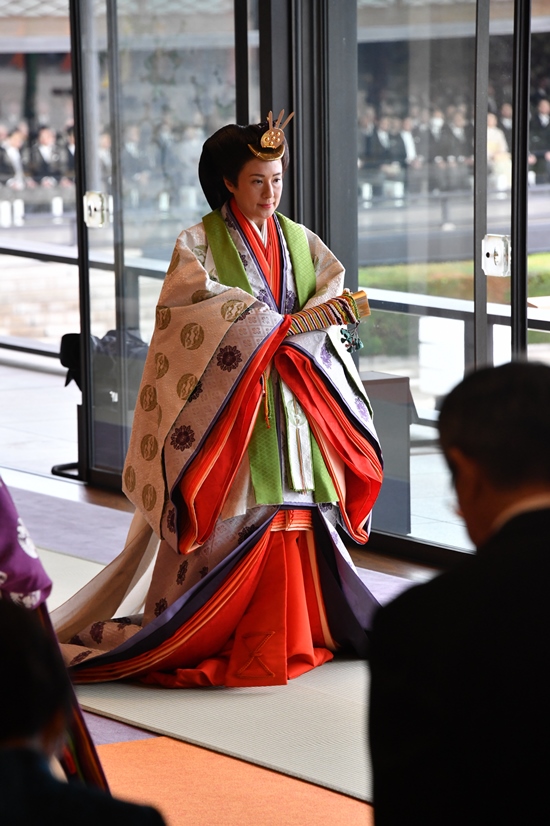
When Masako Owada discussed her engagement in January 1993, she spoke plainly about the work she would leave behind. Her job at Japan’s Ministry of Foreign Affairs had been fulfilling. Deciding whether to leave it had taken serious thought.1
That answer is a useful starting point for understanding Empress Masako. Before the public ceremonies and formal portraits, there was a student, a colleague and a diplomat with a working life she valued. Her education and professional experience deserve a place in the story in their own right.
Before the palace: a student at Harvard
The Imperial Household Agency’s biography records her graduation in economics from Harvard University in 1985. She subsequently attended the University of Tokyo, leaving in 1987, the year she entered the Foreign Ministry.2
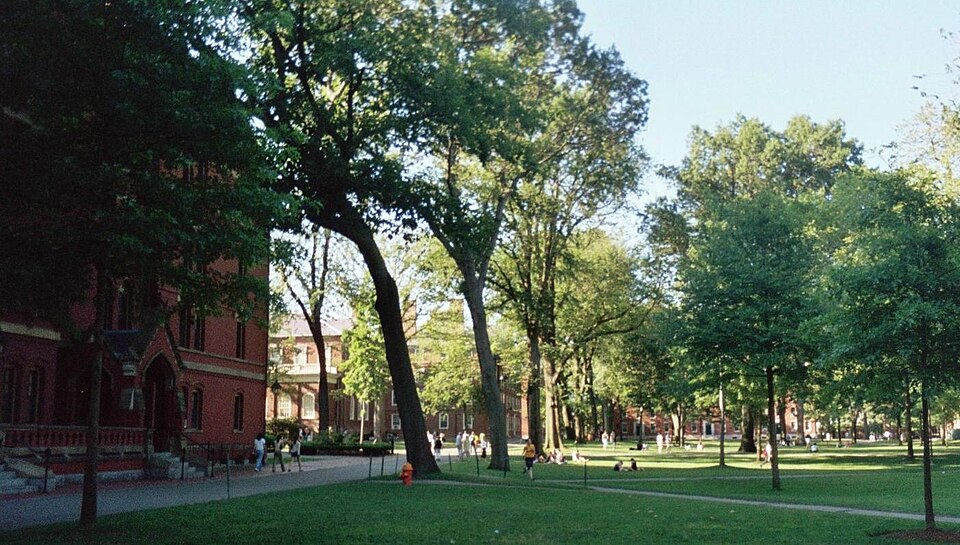
A contemporary report in The Harvard Crimson, published in January 1993, adds the texture of university life. It identifies her as a former Lowell House resident who had attended a public high school in Belmont, Massachusetts. At Harvard she served as president of the Japanese Cultural Society and represented students on the Undergraduate Council. She graduated magna cum laude in economics.3
These details give “Harvard-educated” a more specific meaning. There was a subject she studied, a residential community she belonged to and student organizations in which she took part. A university name can become shorthand for prestige; the record also points to participation.
Diplomacy as a profession
Masako’s time at the Foreign Ministry ran from 1987 to 1993 and included study at Balliol College, Oxford, between 1988 and 1990. Balliol identifies her subject there as International Relations.2, 4
Writing while she was still a ministry official, The Crimson described her as an economics specialist in its North American Division.3 The progression from economics to international relations and diplomatic work is worth keeping in view. It places her overseas education within a professional career, rather than treating it simply as an interesting prelude to marriage.
A decision she explained herself
At the January 19, 1993 engagement press conference, preserved in a recording and transcript by TV Asahi, Masako acknowledged sadness at leaving the ministry. She described rewarding work and colleagues and senior staff from whom she had learned. After considerable reflection, she had decided that accepting the proposal and serving through the Imperial Family was the path she should take.1
Her explanation allows both the value of her career and the decision to marry to remain visible. A simple fairy-tale outline has little room for the practical and personal weight of leaving a profession.
She married the then Crown Prince Naruhito on June 9, 1993.2
When she became Empress on May 1, 2019, Balliol flew its flag in her honour. The college had elected her an Honorary Fellow in 1995—a connection that continued long after her student years.8
What changes when a diplomat becomes a royal?
Naruhito addressed that question in his February 1993 birthday press conference. He explained that international exchanges undertaken by the Imperial Family focused on friendship and goodwill, apart from the political and economic concerns of diplomatic work. He believed Masako’s experience of working with people from other countries would help her in the new role.5
The distinction helps make sense of the phrase “imperial diplomacy.” An audience, a cultural visit or a shared meal has a different purpose from a ministry negotiation. The setting and responsibilities change, even where the encounter still involves people representing different countries.
The Household Agency describes overseas visits that include meetings with heads of state and people working in education, culture, industry and social welfare. In Japan, the Emperor and Empress receive foreign dignitaries and meet Japanese ambassadors before their overseas postings. State banquets are among the occasions intended to nurture international goodwill.6
Returning to Balliol in 2024
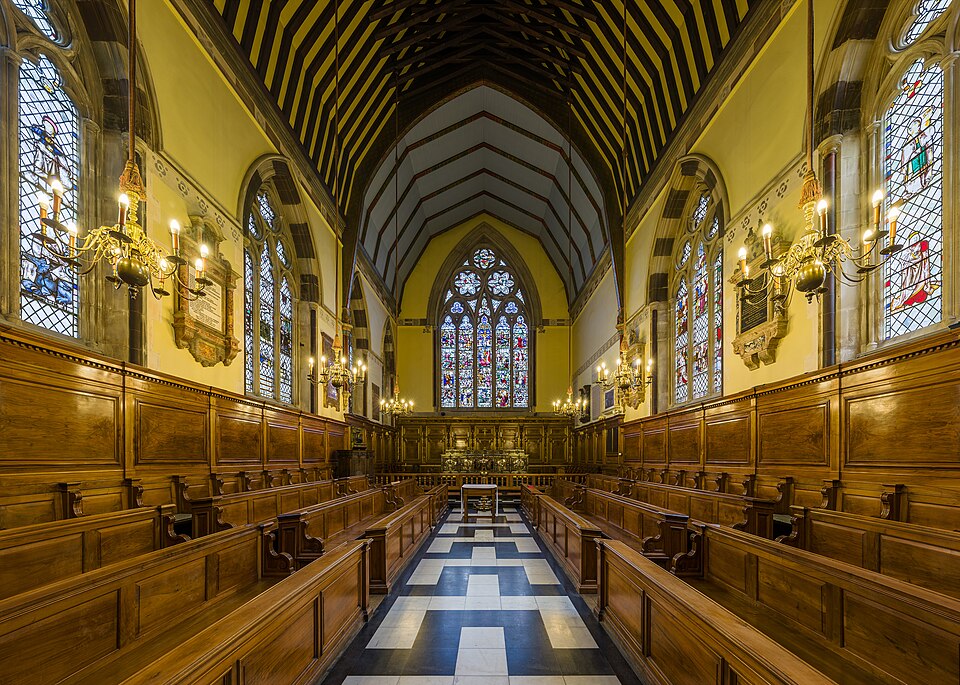
On June 28, 2024, Masako returned to Balliol with Emperor Naruhito. The college’s account records a walk accompanied by her former supervisor, Sir Adam Roberts, and Professor Denis Noble, who had been responsible for Holywell Manor during her student years. Their route included the Fellows’ Garden, the chapel and the tutorial room where she had met with Roberts.4
Later that day, she received an honorary degree from Oxford at Convocation House. The Japanese Embassy’s account places the ceremony within a day that also included a luncheon and a visit to Merton College, where Naruhito had studied.7
The tutorial room is a particularly telling detail. Alongside the ceremonial recognition, the visit returned to a place associated with her own academic work. The college remembered her through people and places that belonged to her life as a student.
Reading Masako’s story through those records changes where we look: towards the subjects she studied, the work she described with affection and the people who knew her before her title changed. They give a royal biography something a formal portrait cannot supply on its own—a history of learning and work.
Continue exploring the Imperial Family
Sources & further reading
Sources checked October 23, 2026. Japanese press-conference remarks are paraphrased. The photographs are archival; dates and credits appear with each image.
- TV Asahi — The January 19, 1993 engagement press conference (Japanese recording and transcript; published December 8, 2022), especially 03:26 and 07:40. Masako’s account of her work and decision to marry.
- Imperial Household Agency — Their Majesties the Emperor and Empress: personal histories. Education, ministry service and marriage date.
- The Harvard Crimson — Harvard Grad, Japanese Prince Engaged to Marry in May or June (January 8, 1993). Contemporary reporting on her university activities and Foreign Ministry work.
- Balliol College — Japanese Emperor and Empress visit Balliol (July 9, 2024, describing the June 28 visit). Her studies and return to the college.
- Imperial Household Agency — Crown Prince Naruhito’s birthday press conference (Japanese, February 19, 1993), questions on international goodwill and Masako’s professional experience.
- Imperial Household Agency — Activities of the Emperor, Empress and Princess Aiko, particularly “Official Duties” and “Overseas Visits.”
- Embassy of Japan in the UK — State Visit, Day 7 (June 28, 2024). The Oxford visit and honorary degree ceremony.
- Balliol College — Her Majesty The Empress Masako of Japan (May 1, 2019). The college’s commemoration and her Honorary Fellowship.



Comments