Imperial Family
Inside Japan’s Imperial Garden Parties
Who receives an invitation to an enyūkai—and what happens once the guests arrive at Akasaka?
By Maki Kakudate · 4 minute read
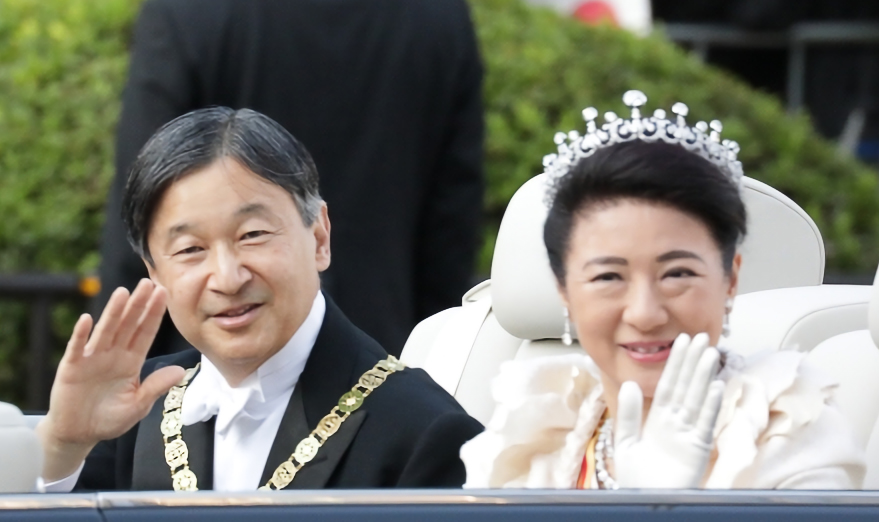
In her account of Japan’s spring 2026 imperial garden party, Hokkaido University professor Miki Haseyama paused to describe the wisteria. Its flowers, in full bloom, were reflected in a pond. Before the Emperor and Empress arrived, she had time to meet other guests and enjoy a garden far removed from her usual academic surroundings.1
That small detail opens up an event often seen through a brief exchange on the news. An imperial garden party has hosts and invited guests, but also paths to walk, music to hear and a season unfolding around the conversation.
What is an enyūkai?
The Japanese name is enyūkai (園遊会), usually translated as “garden party.” Emperor Naruhito and Empress Masako host these gatherings at the Akasaka Imperial Gardens in Tokyo. The regular pattern is one in spring and another in autumn, with members of the Imperial Family joining them.2
The heart of the occasion is conversation: a formal invitation becomes an opportunity to meet face to face.
Who gets an invitation?
The Household Agency’s description includes senior figures from Japan’s legislature, government and courts, alongside prefectural and municipal leaders. It also names people recognized for contributions to industry, culture, the arts and social activities. Spouses are invited, as are heads of diplomatic missions and their spouses.2
A guest list can therefore bring public office and professional achievement into the same garden. Haseyama, a professor in Hokkaido University’s information science faculty, offers one concrete example of the academic world represented at the spring gathering on April 17, 2026.1
The agency’s general description gives a scale of around 2,000 invitees, while the university’s report puts the spring 2026 invitation count at approximately 1,750.2, 1 The number is best read with the year and occasion attached.
Akasaka is part of the story
The venue deserves its own name: Akasaka Imperial Gardens. An overseas reader seeing “imperial garden party” might imagine the grounds around the main Imperial Palace. Akasaka is a separate imperial setting in Tokyo’s Minato ward.1, 2
It also has a personal connection to the hosts. The Household Agency records that Naruhito and Masako lived on the Akasaka Estate for many years before moving to their residence within the Imperial Palace grounds in September 2021.6
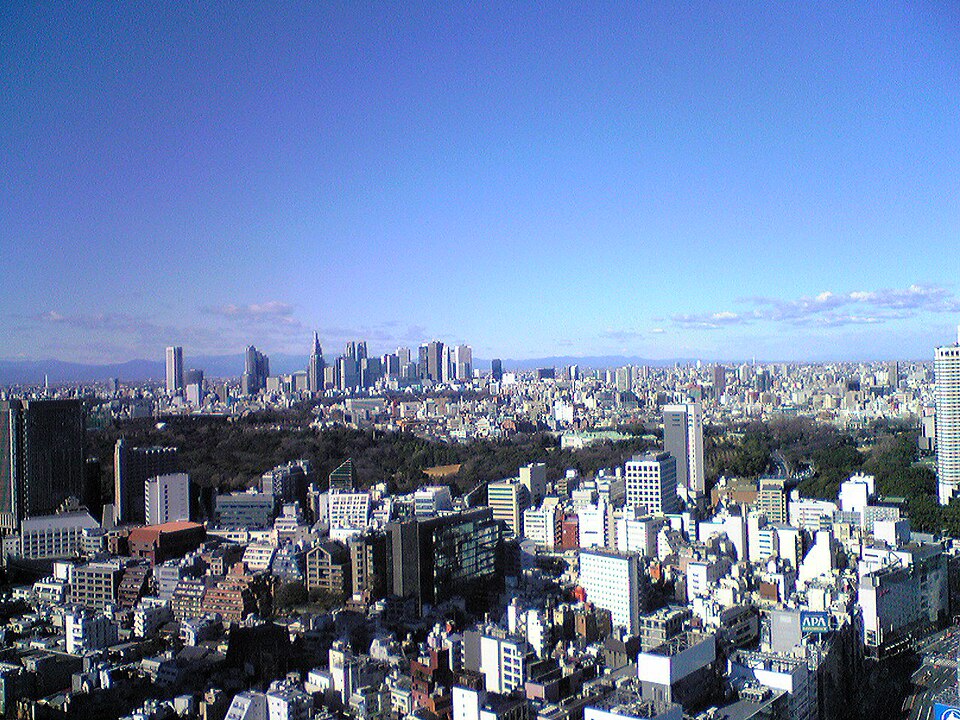
Keeping the location in view helps make sense of a guest’s experience. Haseyama’s account moves between meeting people and looking at the garden. Both belong to the occasion.
What happens around the conversations?
The agency’s report on the April 17, 2026 gathering describes fine weather and relaxed exchanges with guests and their families. Its photographs also document the supporting details: performances by the Imperial Household’s Music Department and the Imperial Guard band, flowers around the venue, hors d’oeuvres and drinks.3
Those details broaden the scene beyond the moment when a guest speaks with a royal host. The event includes listening, eating and spending time in the grounds. Its atmosphere is created by people whose work usually sits outside the frame of a close-up photograph.
A tradition that changes its arrangements
Even a formal imperial occasion can adjust the way guests move through it. At the spring garden party on April 22, 2025, the routes followed by members of the Imperial Family were changed. The Household Agency reported that the Emperor and Empress hoped the new arrangements would allow guests to enjoy strolling and eating more leisurely.
The same report notes that service of alcoholic drinks, including sake and beer, resumed at that gathering. It also pictures yakitori among the refreshments.4
These are practical choices about hospitality: where people walk, how the gathering flows and what is served. They make the event easier to understand as an afternoon experienced by guests.
The garden marks the season
For the autumn gathering of November 2, 2023, the agency drew attention to chrysanthemums arranged in flower beds and trained into cascading forms. Its account explained how repeated pinching and branching could shape a plant into a waterfall of small flowers. Japanese maple and pampas grass also appeared in its record of the grounds.5
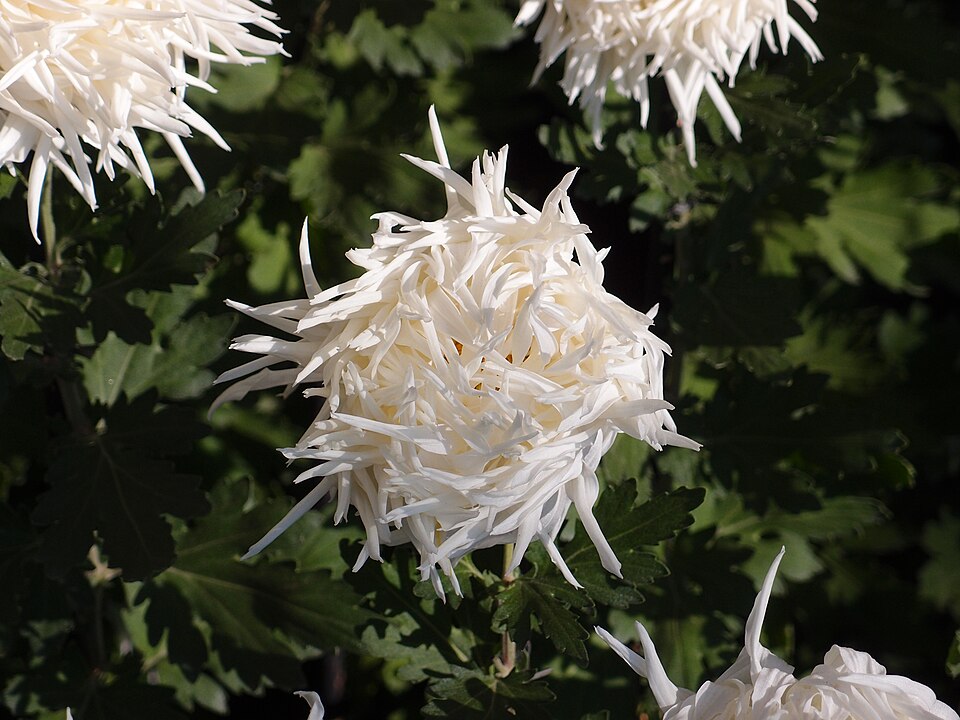
Spring and autumn give these gatherings different visual identities. A flower display may seem incidental in a news report focused on a famous guest. In the fuller record, it is part of the preparation and of what people remember.
What the gathering makes visible
In its broader account of imperial duties, the Household Agency describes meetings and receptions as opportunities to encourage sustained work and acknowledge achievement.6 The garden party places that kind of encounter in an outdoor social setting.
To follow the next report, start with the guests: what work brought them there, and what did they discuss? Then widen the frame to the musicians, the gardeners and the people preparing the food. A short royal conversation sits within a much larger afternoon.
Continue exploring the Imperial Family
Sources & further reading
Sources checked October 23, 2026. Guest recollections are paraphrased. Examples from different years are dated in the text; the illustrative photographs are identified in their captions.
- Hokkaido University, Faculty of Information Science and Technology — Professor Miki Haseyama attends the spring garden party (Japanese, April 28, 2026). Her account of the April 17 event, invitation count and photographs of the grounds.
- Imperial Household Agency — Their Majesties’ Garden Parties. The regular schedule, venue and categories of invited guests.
- Imperial Household Agency — Spring garden party 2026 (Japanese, May 22, 2026). The April 17 gathering, with photographs of conversations, music, flowers and refreshments.
- Imperial Household Agency — Spring garden party 2025 (Japanese, May 13, 2025). Changes to routes and the return of alcoholic drinks at the April 22 event.
- Imperial Household Agency — Autumn garden party at Akasaka Imperial Gardens (Japanese, November 16, 2023). The November 2 gathering and seasonal plant displays.
- Imperial Household Agency — Activities of the Emperor, Empress and Princess Aiko, especially “Official Duties” and “Life at the Imperial Residence.”




Comments