Real Life in Japan · Culture & Traditions
Furoshiki: Japan’s Wrapping Cloth for Gifts and Everyday Life
Furoshiki is a reusable Japanese cloth for wrapping and carrying things. Discover its everyday uses, gift etiquette and how one cloth changes with what is inside.
By Maki Kakudate · 6 minute read
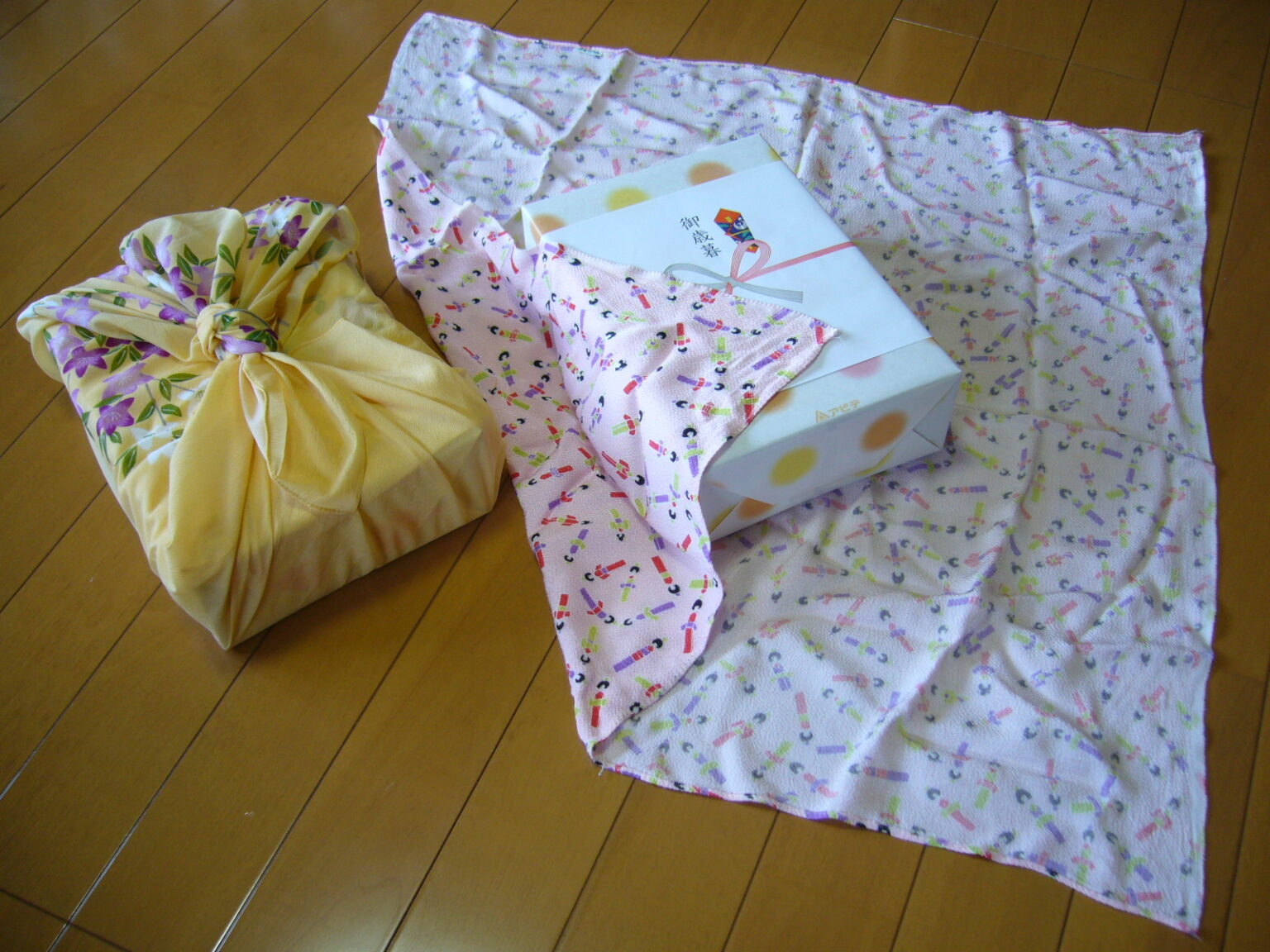
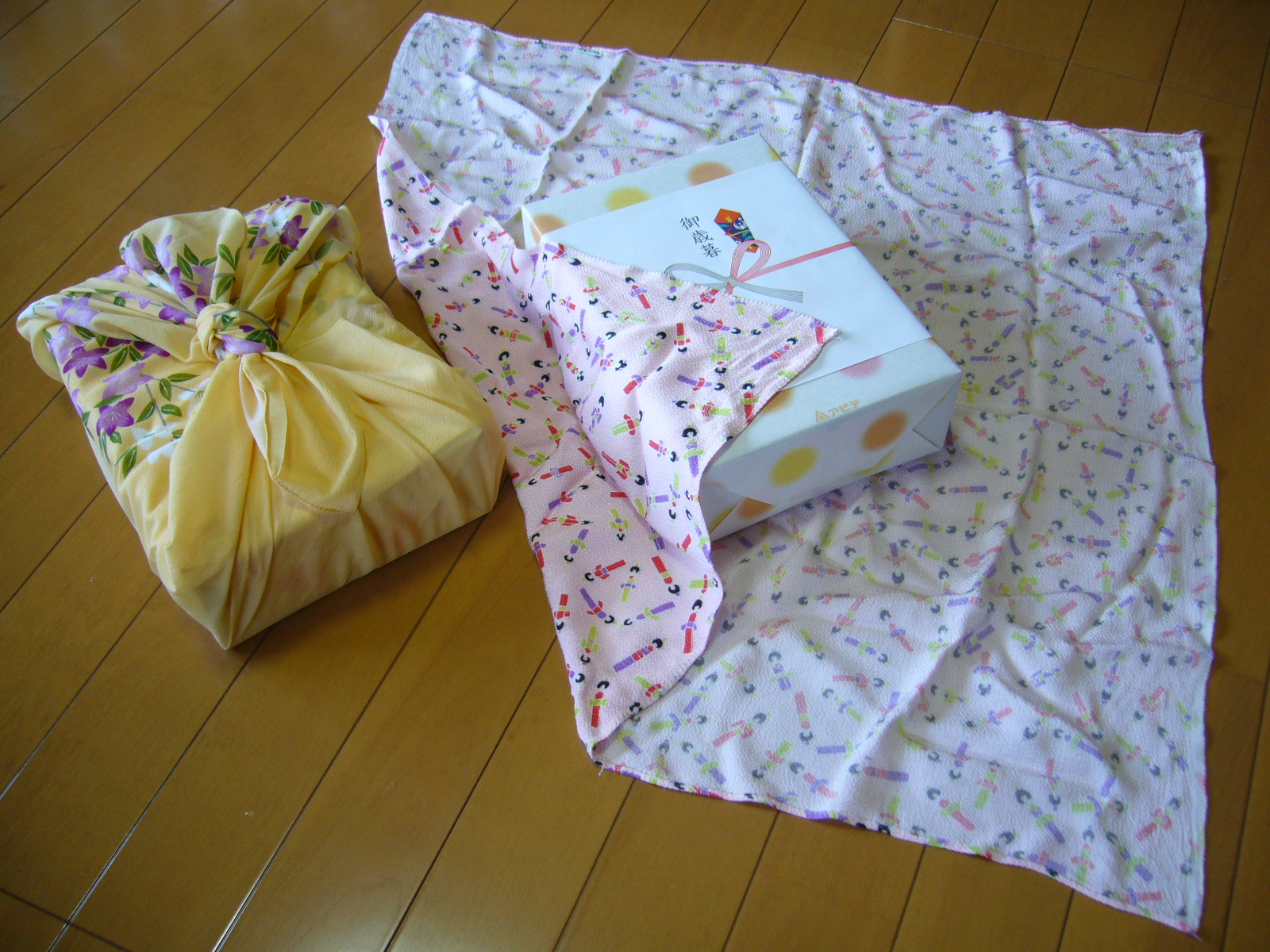
Imagine receiving a small box wrapped in patterned cloth. There is a knot to undo, then a corner to lift. As the fabric opens, the neat parcel becomes a flat piece of material again, ready for another use.
This is furoshiki, Japan’s traditional wrapping cloth. Usually described as square, it is used to wrap, carry and store things; its modern variations include gift wrapping and bags.1 The shape is simple. What changes is the way the corners meet, the object inside and the occasion.
Follow one cloth through those different jobs and an everyday piece of fabric starts to reveal a surprisingly varied life.
What is furoshiki used for?
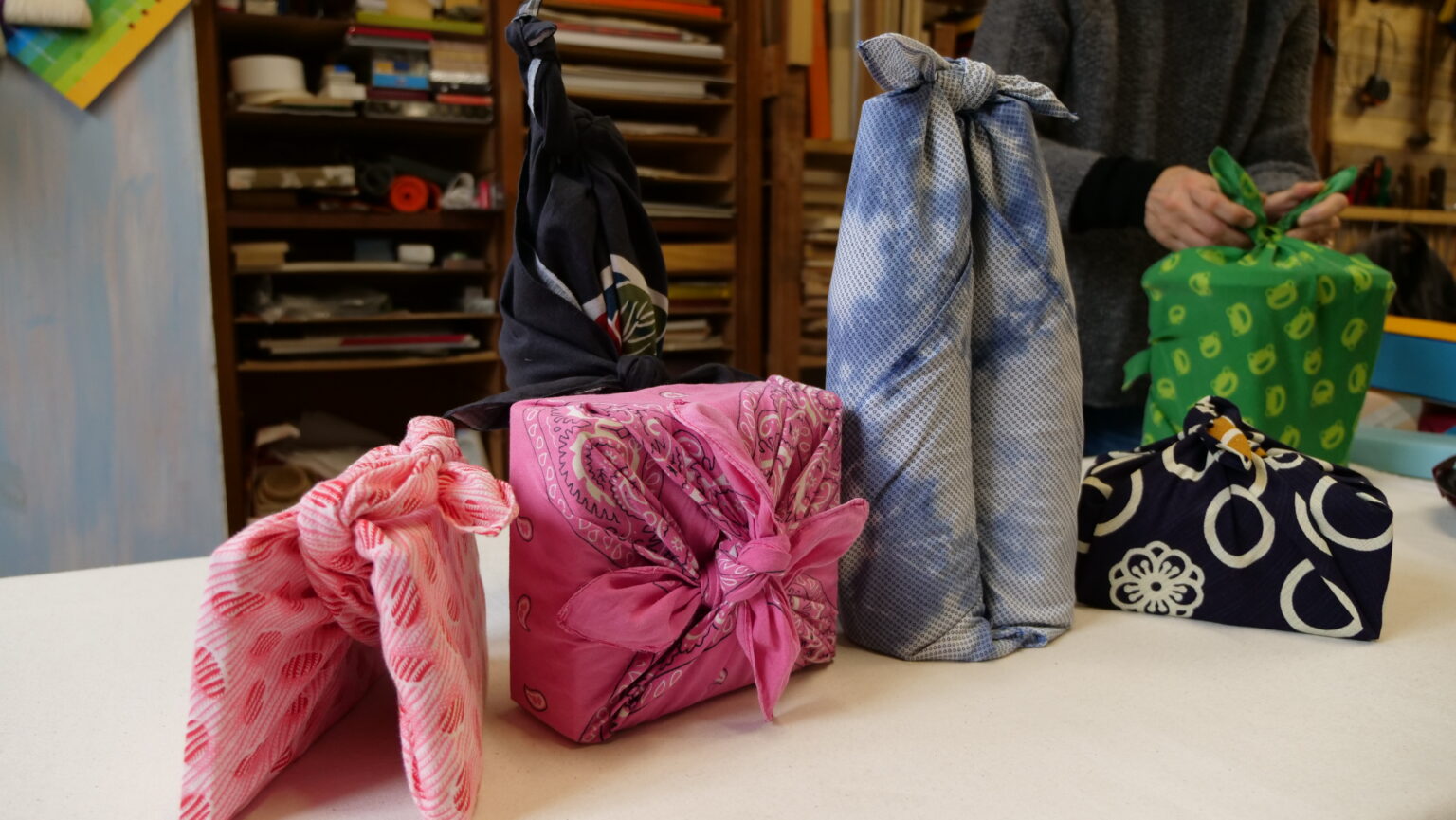
A ready-made bag gives you a space to fill. With furoshiki, the folds help create that space around what you want to carry. A low box and a tall bottle call for different arrangements; the loose corners become ties or a place to hold. Choosing a cloth means allowing enough fabric around the object for the folds and knots to come together.
The Japan Foundation’s introductory lesson demonstrates the principle with a square box and a round object. The box is covered with opposing corners before the remaining ends are tied above it. The round object uses a different arrangement of knots to make a carrier.2
Unfold the cloth afterward and its temporary shape is gone. That change is part of its appeal: the same piece of fabric can be reconsidered each time you reach for it.
Why the name leads back to the bath
The name contains furo, meaning bath, and shiki, referring to something spread out.1 Its history involves the gradual meeting of cloth wrapping and bathing customs.
ICU’s Hachiro Yuasa Memorial Museum explains that wrapping cloths were previously known as hirazutsumi. As public bathing became popular during the Edo period, cloths associated with wrapping clothes and drying feet were called furoshiki. The name gradually extended to cloths used for wrapping things more generally.3
The museum also describes reinforcing corners with sashiko stitching to help prevent the fabric from stretching, and holds a cotton example from the Taishō period.3 That small construction detail brings the history closer. A cloth used for carrying needs corners that can withstand being pulled and tied; someone took the time to strengthen them.
A pattern designed to move
The making of the cloth has its own story. Kyoto textile company Miyai documents kata-yūzen, one method used to produce its furoshiki. Stencils guide the decoration, while resist paste keeps dye away from areas intended to remain fine white lines. Steaming fixes the dye, followed by washing and finishing.4 It is one way of making a patterned cloth, with several stages behind the finished surface.
The layout can also anticipate what happens when the fabric is wrapped. Manufacturer Yamada Sen-i describes katami-gawari designs that divide the cloth diagonally into different colors, or into plain and patterned sections. When tied, the contrasting areas appear on different sides of the parcel.5
Think of the difference between viewing a pattern laid flat and seeing only the pieces revealed around a knot. A fold hides one section and brings another forward. The person doing the wrapping has a part in the final appearance, even when starting with a very simple design.
Does the recipient keep the cloth?
A beautiful wrapper raises a practical question: is it part of the present? The answer depends on how the gift is being offered.
In its guidance for a silk furoshiki intended for formal occasions, specialist Musubi describes handing over the item, then folding the cloth and taking it home.6 In that setting, the cloth accompanies the gift on its journey and remains with the giver.
Musubi’s gift-wrapping service describes another arrangement: the recipient keeps the wrapping cloth and can use it repeatedly after opening the present.7 Here, choosing the fabric becomes part of choosing the gift.
You might pick a floral pattern for someone who gardens, or a color you know they enjoy. If you intend the cloth to be theirs, a brief explanation makes that clear. Showing how it unfolds, or suggesting another use, can turn the moment of opening into a small exchange of ideas.
From a packed lunch to the next outing
The bento photograph below brings furoshiki back to a very ordinary scale. One lunch remains bundled at the left; the other has been opened, with the cloth spread beneath it as a mat. The wrapper continues to have a job while the meal is eaten.
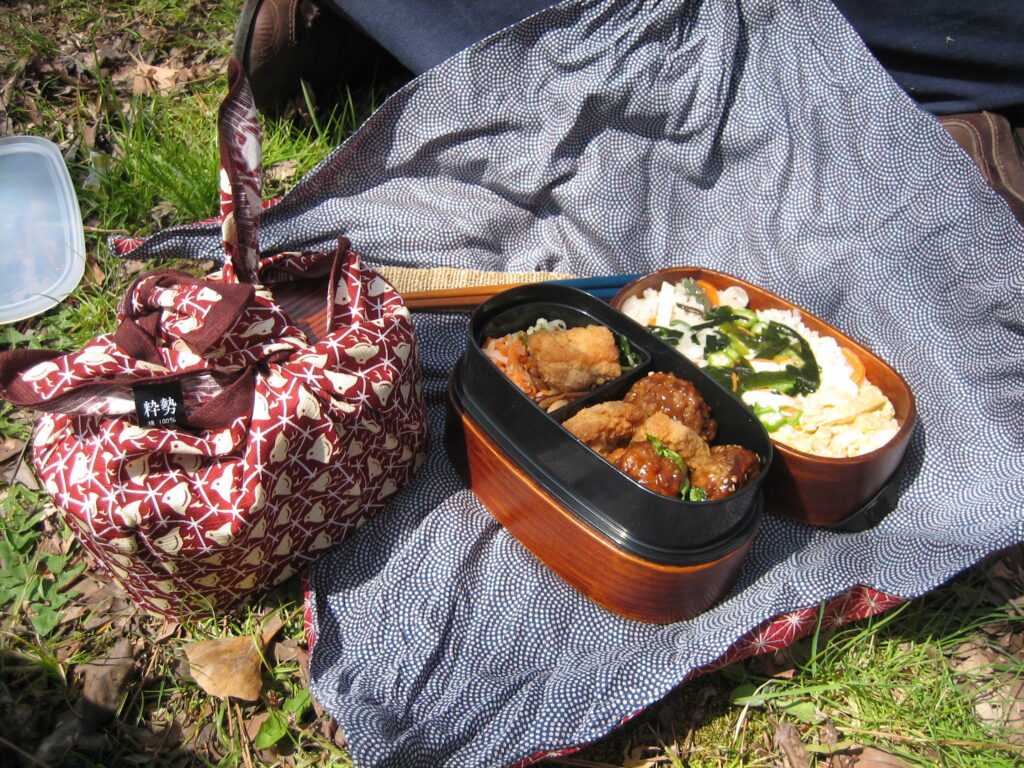
For that sort of repeated use, the material matters. Musubi describes cotton as suitable for carrying and for washing at home. Its guidance treats silk chirimen and rayon differently: these can shrink in water and require more careful cleaning.8 Check the individual cloth’s care instructions before washing it.
There is a small surprise in the dimensions, too. Musubi explains that traditionally cut furoshiki can be slightly rectangular, while modern versions also include true squares.8 “Square wrapping cloth” is a useful introduction, with a little room for the realities of textile making.
Giving a familiar object another job
Environmental interest in furoshiki has an established public history. In 2006, Japan’s Ministry of the Environment encouraged people to use their own shopping bags and cloth wrappers as part of a campaign to reduce disposable plastic shopping bags.9
The useful idea is easy to observe: untie the wrapper, fold it and keep it available for another occasion. For someone trying to make it part of a routine, that might mean finding a place for it beside the lunch boxes or inside a bag. The habit develops through having a familiar use for the cloth.
If you want to try, start with one small box and the Japan Foundation’s illustrated lesson linked below. Practicing with an ordinary object gives you time to understand where the corners go and how much fabric you need.
Then unfold it again. The next time, there may be a different object to carry, a different person to give something to, or simply tomorrow’s lunch waiting on the counter.
Continue exploring
More from everyday Japan
For the food inside the cloth, start with bento; for the gift-giving occasion, continue with omiyage.
Sources & further reading
Sources checked on October 19, 2026. Museum records, public cultural resources and makers’ guidance are used for the history, techniques and different gift contexts.
- Web Japan, Ministry of Foreign Affairs — Furoshiki: The Original Japanese Eco-Bag. 2024. Definition, the bath-related name and contemporary uses.
- The Japan Foundation — Erin’s Challenge, Lesson 19: Furoshiki. English illustrated lesson demonstrating wraps for a square box and a round object.
- ICU Hachiro Yuasa Memorial Museum — Furoshiki with geometric and chrysanthemum patterns. Collection record on the Agency for Cultural Affairs portal. Historical terminology and sashiko reinforcement. Japanese.
- Miyai — Kata-yūzen furoshiki production. The maker’s account of stencil dyeing, resist paste and finishing. Japanese.
- Yamada Sen-i — Designing a furoshiki with contrasting halves. March 23, 2012. Katami-gawari and the appearance of a design after wrapping. Japanese.
- Musubi — Formal silk chirimen furoshiki: presentation guidance. Taking the cloth home after presenting a formal gift. Japanese.
- Musubi — Gift-wrapping service. An example of wrapping intended for the recipient to keep and reuse. Japanese.
- Musubi — Furoshiki materials, handling and dimensions. Cotton, silk and rayon care; nearly square and square cloths. Japanese.
- Ministry of the Environment — Campaign for Environmentally Friendly Shopping during the 3R Promotion Month. September 29, 2006. Encouraging reusable bags and furoshiki to reduce disposable shopping bags.
Photograph credits and reuse licenses appear with each image.











Comments