Growing Up in Japan · Food & Everyday Tables
Why Do Japanese Students Serve Their Own School Lunch? Inside Kyushoku
The school lunch that teaches more than nutrition: sharing food, taking turns, noticing the people behind a meal—and the challenges schools still face.
LAYERS OF JAPAN · 8 minute read
Just before lunchtime at a Japanese elementary school, a familiar change takes place. A cart of food arrives. Some children put on white smocks and head coverings. Others clear their desks and wait while classmates prepare to distribute the meal.
To someone used to a staffed cafeteria, one detail stands out: why are the students doing the serving?
The answer is partly practical and partly educational. Japan’s school lunch system, known as kyūshoku, treats food not only as something children need, but also as something they can learn from. The system involves cooks, nutrition professionals and public budgets as well as children—and it is changing in 2026.
1. Lunch Is Part of the School Day
At midday in many Japanese elementary schools, the classroom changes purpose. Desks become dining places. Children wash their hands, lunch containers arrive, and the class prepares for a shared meal. Depending on the school, the room may grow lively or settle into a quiet routine. The important detail is that lunch is part of the timetable rather than simply a break between lessons.
The Japanese word kyūshoku (給食) refers to a supplied meal. School lunches have a long history: the education ministry traces an early example to 1889 in what is now Tsuruoka, Yamagata Prefecture. After wartime interruption, the system expanded after World War II, and Japan enacted the School Lunch Program Act in 1954. The details have changed over generations, but the idea of feeding children at school has become an ordinary feature of public education.
That does not mean every school follows one national lunchtime script. Elementary and junior high practices can differ, and private schools or high schools may have other arrangements, including packed lunches or cafeterias. Understanding the common routine starts with the people in the classroom.
2. Why Do Children Serve the Food?
In many schools, a rotating group of pupils is assigned kyūshoku tōban—school lunch duty. They may wear white smocks, caps and masks, move containers to a serving area, hand out dishes and portion food under adult supervision. Their classmates wait their turn. Afterward, the class may help return dishes and tidy the room.
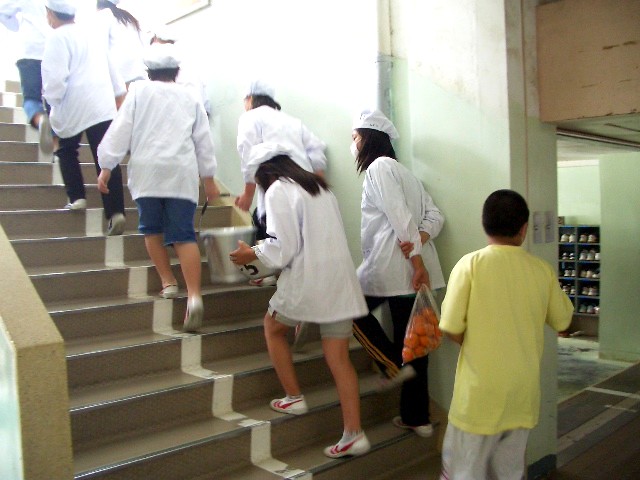
The children are not replacing professional cooks. Food has already been planned, purchased and prepared by adults. The pupils take responsibility for a smaller, age-appropriate part of the final service, with hygiene and safety rules and teachers overseeing the routine.
There is a practical result: lunch arrives without a separate cafeteria worker serving each child at a counter. But there is an educational reason, too. Taking turns puts a child on both sides of the exchange. One day they are the person receiving a bowl; another day they are the person carefully carrying and serving it.
That can teach consideration and cooperation in a very ordinary form. It can also be tiring, awkward or simply routine for individual children. Not everyone experiences the duty as a profound lesson—and that is part of being realistic about school life.
3. What Is Actually on the Tray?
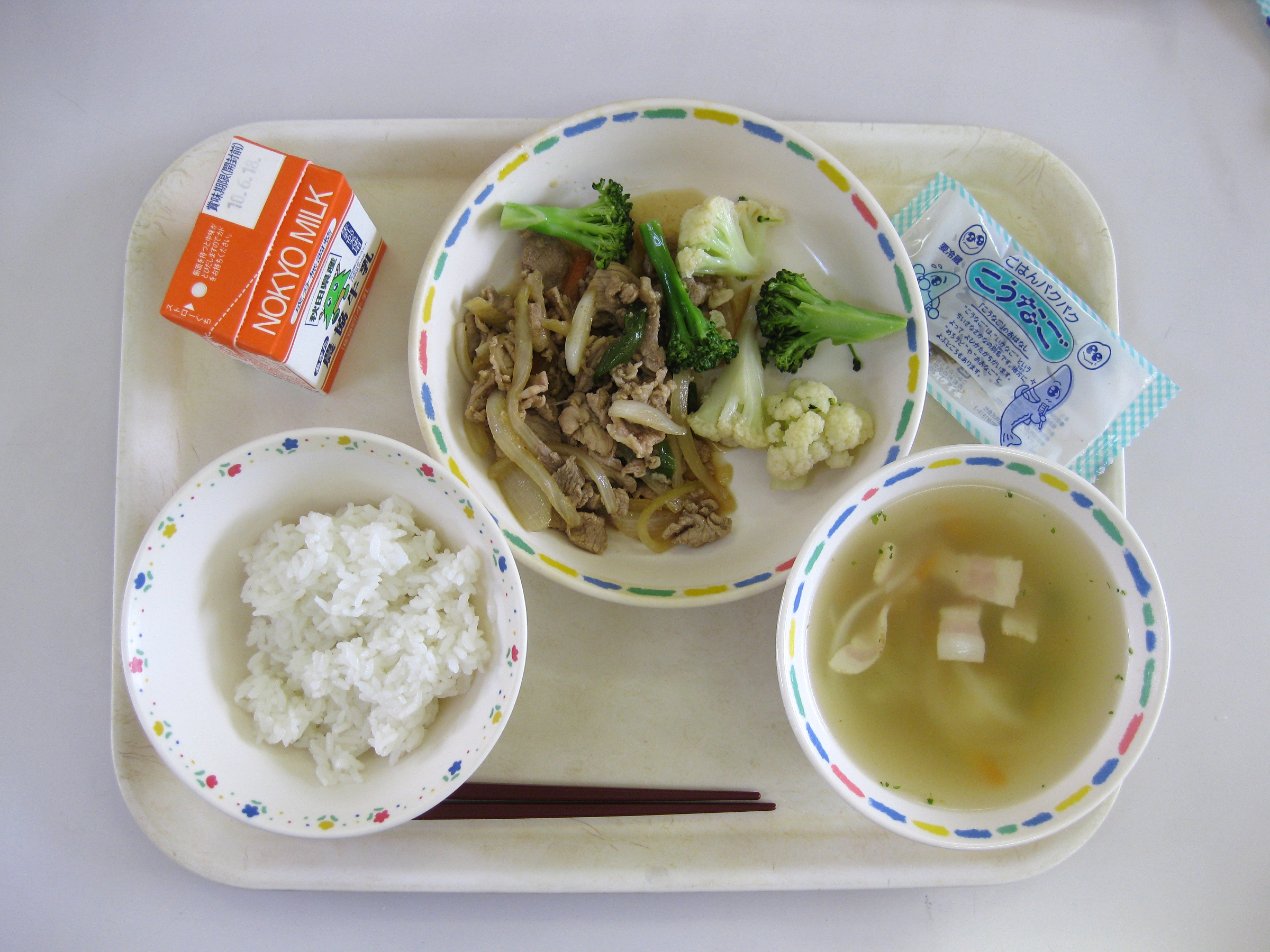
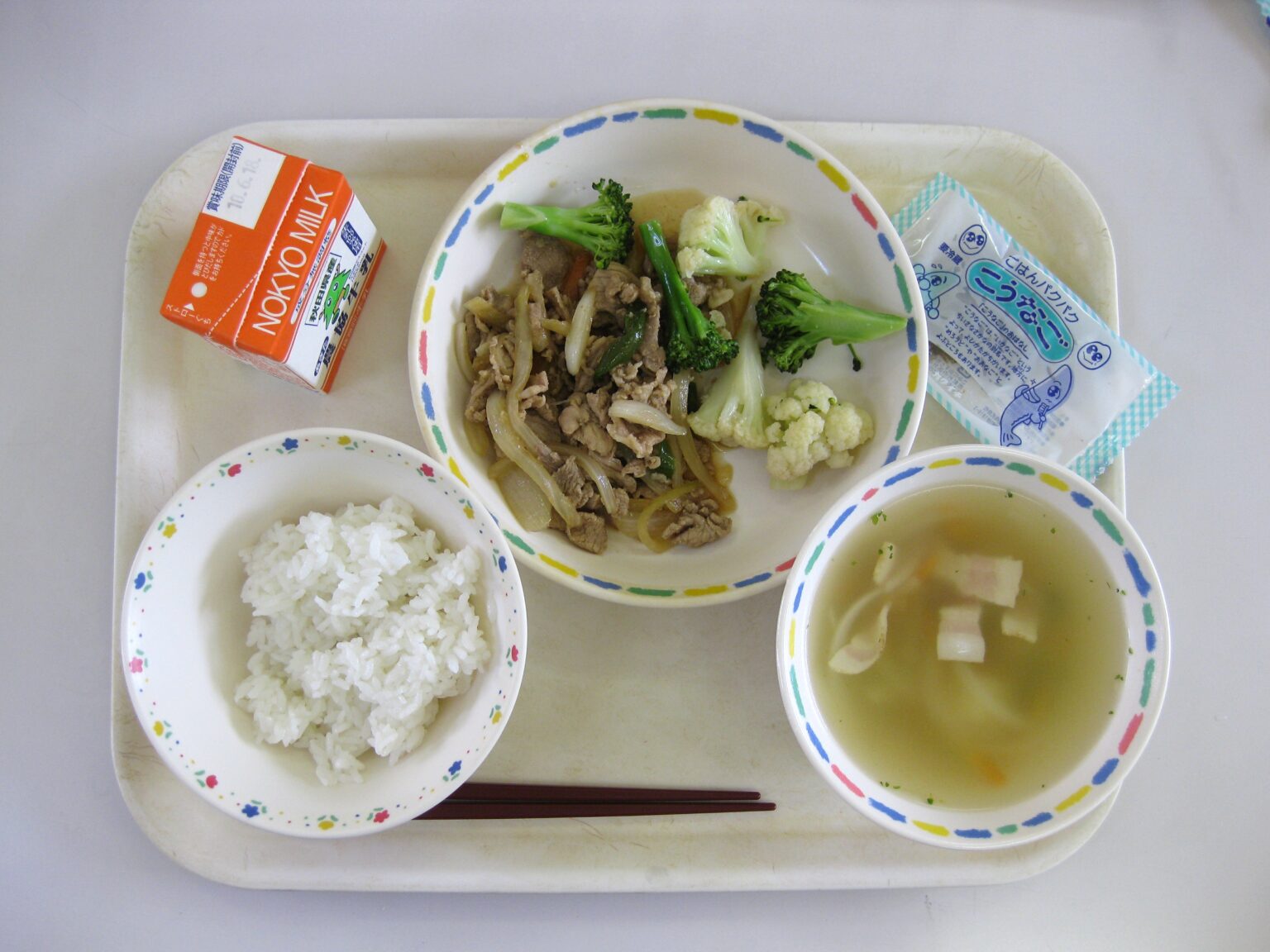
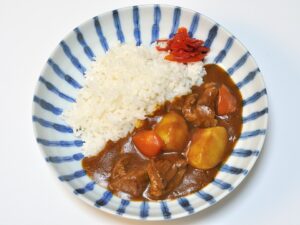
There is no single menu that represents all Japanese school lunches. Depending on the day, students may receive rice, bread or noodles, a soup, a main dish featuring fish, meat or beans, vegetables and often milk. Curry rice, simmered dishes, seasonal ingredients and local specialties can all appear. The ministry’s official English guide presents school lunches as meals planned to meet nutrition standards for children at different ages.
If you have seen photographs of elaborate bentō lunchboxes, do not confuse those with the standard meal supplied by a school. A parent’s homemade packed lunch and a school-provided kyūshoku are different experiences. The ordinary tray may look modest, but it represents menu planning, purchasing, kitchen work and a budget.
And the contents are not frozen in tradition. What gets served has evolved as Japanese diets, nutrition research, food prices and regional priorities have changed. One school’s fish dish may be another school’s curry day.
4. Shokuiku: When Lunch Becomes a Lesson
Japan uses the term shokuiku (食育), commonly translated as food and nutrition education. It is about more than memorizing which foods contain vitamins. At school, it can involve learning where ingredients come from, how they are grown, why a balanced meal matters and how to eat with other people.
A menu featuring locally grown vegetables might open a conversation about farms nearby. A regional dish can introduce geography or history. In some classes, children encounter the people involved in growing or preparing food. The Ministry of Education describes school lunch as a “living textbook” because real food connects lessons to everyday decisions.
You may also hear itadakimasu before eating and gochisōsama afterward—expressions associated with gratitude for a meal. Their use and meaning vary in individual practice, and they should not be treated as proof that every child has identical feelings about food.
What matters is that lunch offers a recurring opportunity to learn cooperation, preparation, cleanup, nutrition and the wider journey from producer to plate. It is a small lesson repeated many times rather than a lecture delivered once.
5. The Adults Behind a Student-Served Meal
Pictures of children in white smocks can make it seem that students run the entire operation. They do not. The most demanding work usually happens well before a classroom’s serving cart arrives.
Cooks and kitchen staff prepare meals in school kitchens or shared cooking centers. Suppliers deliver ingredients. Teachers supervise lunchtime. Dietitians and licensed school nutrition teachers may help design menus, manage nutrition and hygiene, and connect meals to classroom learning. Food sanitation has its own standards, and the system must coordinate deliveries and meal times across a school day.
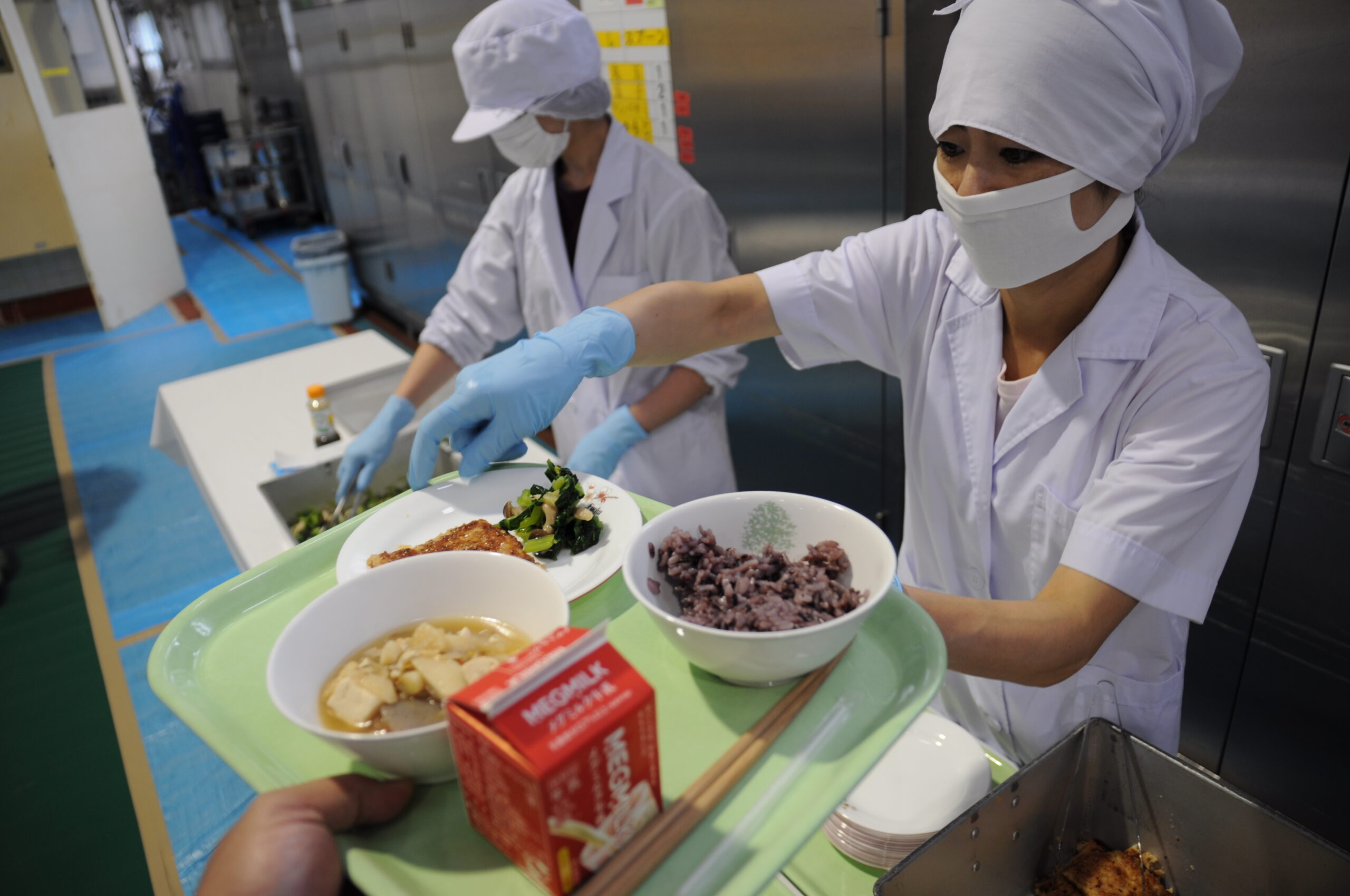
Those less visible jobs matter when ingredient prices rise, equipment ages or kitchens struggle to meet different needs. A school lunch is therefore also a story about public services and the workers who keep them reliable.
For another angle on the gap between a picturesque Japanese routine and the people who maintain it, read Why Are Japanese Streets So Clean?.
6. Are Japanese School Lunches Free in 2026?
The cost of kyūshoku has become an important policy question. Historically, families often paid for the food ingredients, while local governments covered major facility and staffing expenses. That division matters because the price on a monthly lunch bill is not the entire cost of running the service.
In April 2026, Japan began a national program to substantially reduce the food-cost burden for families with children in public elementary schools. The Ministry of Education sets a standard support amount of ¥5,200 per pupil per month for a complete elementary-school lunch, generally for eleven months. The scheme also covers specified elementary divisions of other public schools under its rules.
It is tempting to shorten the headline to “All school lunches in Japan are now free.” That is not accurate. Local meal costs and circumstances vary; the ministry says families may still be charged when ingredient costs exceed the supported amount. The arrangement should not be assumed to cover all private schools, junior high schools or high schools in the same way.
The change reveals another layer of the lunch table: nutrition and education depend not only on careful routines but also on decisions about how society shares the bill.
7. What About Allergies, Uneaten Food and Different Needs?
The familiar image of a whole class eating the same meal can be reassuring. For some children, however, it is not that simple. Food allergies may require special arrangements, close coordination among families and staff, or individually determined alternatives. Japan’s education ministry provides guidance on allergy management, and school authorities are expected to establish their own safety procedures.
Other children may struggle with appetite, unfamiliar flavors, texture or the pace of eating. Encouraging children to try foods and think about waste is different from assuming that every child can or should finish an identical portion. Schools and teachers vary in how they respond to those realities.
Regional differences matter as well. Some students eat together in a classroom; others may use a dining hall. A rural school and a large city school may have different kitchens, suppliers and menus. The phrase “Japanese school lunch” describes a system with many local versions, not one perfect national plate.
The most useful way to appreciate kyūshoku is to notice both the ideals and the effort needed to make the experience safe and welcoming.
8. A Small Daily Lesson in Living Together
When lunch ends, the classroom eventually becomes a classroom again. Bowls are collected, the schedule continues, and the meal is absorbed into the memory of an ordinary school day.
For a visitor, the surprising part may be seeing children help serve. For the pupils, the more lasting lesson can be subtler: sharing a task, waiting for others, noticing where food comes from, and seeing the work behind an apparently simple lunch.
It is not a uniquely Japanese invention to use school meals for education, nor is every lunch in Japan equally successful. But the way kyūshoku brings nutrition, public service and classroom responsibility together is a revealing part of everyday Japan.
To explore the same school system from another angle, read Anime vs. Reality: What Japanese School Life Is Really Like.
Frequently Asked Questions About Japanese School Lunch
Do all Japanese students eat school lunch?
No. Provided lunches are common in public elementary schools, but arrangements vary by municipality, school type and age. Some schools and students use packed lunches or other arrangements.
Why do students wear white clothing at lunchtime?
Children assigned to school lunch duty often wear white smocks or aprons and head coverings as part of the school’s hygiene routine. Clothing and procedures vary.
Is Japanese school lunch the same as bentō?
Not usually. Kyūshoku is the meal supplied through the school; bentō generally refers to a packed lunch prepared or bought separately.
Do Japanese school lunches cost money?
Since April 2026, Japan has supported food costs for public elementary-school lunches, but some families may still face charges depending on local costs and arrangements. The same rules do not automatically apply at every school level.
Do children cook the meals themselves?
Generally no. Professional cooks and kitchen staff prepare food; students on rotating lunch duty may help transport, portion and distribute it with adult supervision.
Sources and Further Reading
The following official publications support the historical, educational, policy and safety details. Classroom scenes in this article are illustrative, not first-hand reporting.
- Japan Ministry of Education, Culture, Sports, Science and Technology (MEXT), Japanese School Lunches and Shokuiku (English guide).
- MEXT, School lunch food-cost relief beginning April 2026 (Japanese).
- MEXT, Guidelines for handling food allergies in school lunches (Japanese).
- Tokyo Metropolitan Board of Education, School allergy safety procedures, revised June 2025 (Japanese).
- MEXT, School health, lunch and food education policy (Japanese).
Editorial note: Practice differs among schools and municipalities. Fee-support details are stated as of October 2026, based on MEXT’s published guidance. The archival photographs are dated so they are not mistaken for scenes photographed in 2026.





Comments