Real Life in Japan · 11 minute read
Reading the Air: The Unspoken Rules of Everyday Japan
Why fitting in can feel both comforting and exhausting.
LAYERS OF JAPAN
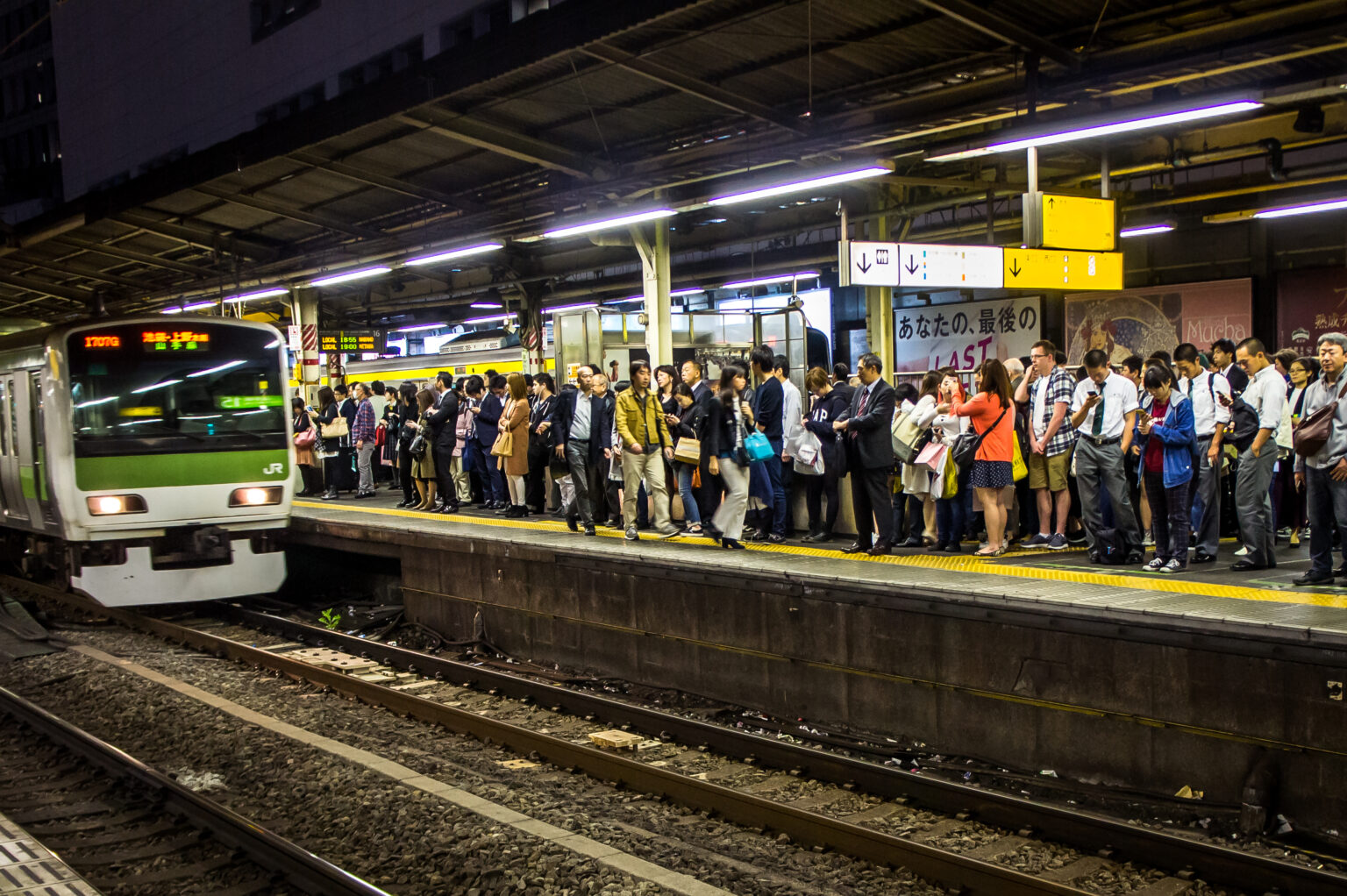
Imagine the end of a working day in Tokyo. A young employee has finished the tasks on her desk. It is time to go home, and she is tired.
She looks around the office.
Her manager is still at a computer. Two colleagues are typing. No one has said she must stay. No one has asked her to remain another hour. Yet standing up, putting on her coat, and saying goodbye somehow feels like making an announcement.
She waits a little longer.
This is an imagined scene, not a portrait of every Japanese workplace. But the feeling it illustrates has a familiar name in Japan: kūki o yomu—literally, “to read the air.”
To visitors, Japan can appear remarkably considerate. People notice small inconveniences. They leave space for others. They seem to anticipate needs before anyone speaks.
Yet some of the same habits that make social life feel gentle can also make it difficult to disagree, refuse an invitation, ask for help, or simply say what one thinks.
In Japan, some of the most powerful rules are the ones nobody ever explains.
1. What Does It Mean to “Read the Air”?
The Japanese expression kūki o yomu (空気を読む) is often translated as “reading the room.” It means sensing what a situation calls for by paying attention to the people, relationships, atmosphere, and expectations around you—even when those expectations are not stated.
The “air” is not something mystical. It is the silent knowledge of a group: who should speak first, when a joke is inappropriate, whether someone wants to leave, or how firmly it is acceptable to disagree.
A 2023 study of the concept in Japanese organizations described several connected elements: awareness of the surrounding situation, consideration for others and group norms, and behaviors such as cooperation and flexibility. Its survey involved 158 employees, so it should not be treated as a measurement of every Japanese person’s behavior. Still, the framework helps explain why reading the air is neither simply politeness nor simply conformity.
It can be a social skill.
It can also become a social demand.
The difference often lies in whether people are free to make another choice.
2. The Beautiful Side: Consideration Without Being Asked
There are good reasons people value this ability.
Imagine someone noticing that a colleague is overwhelmed and quietly offering help before being asked. Or a host recognizing that a guest is uncomfortable, changing the subject, and allowing the moment to pass without embarrassment.
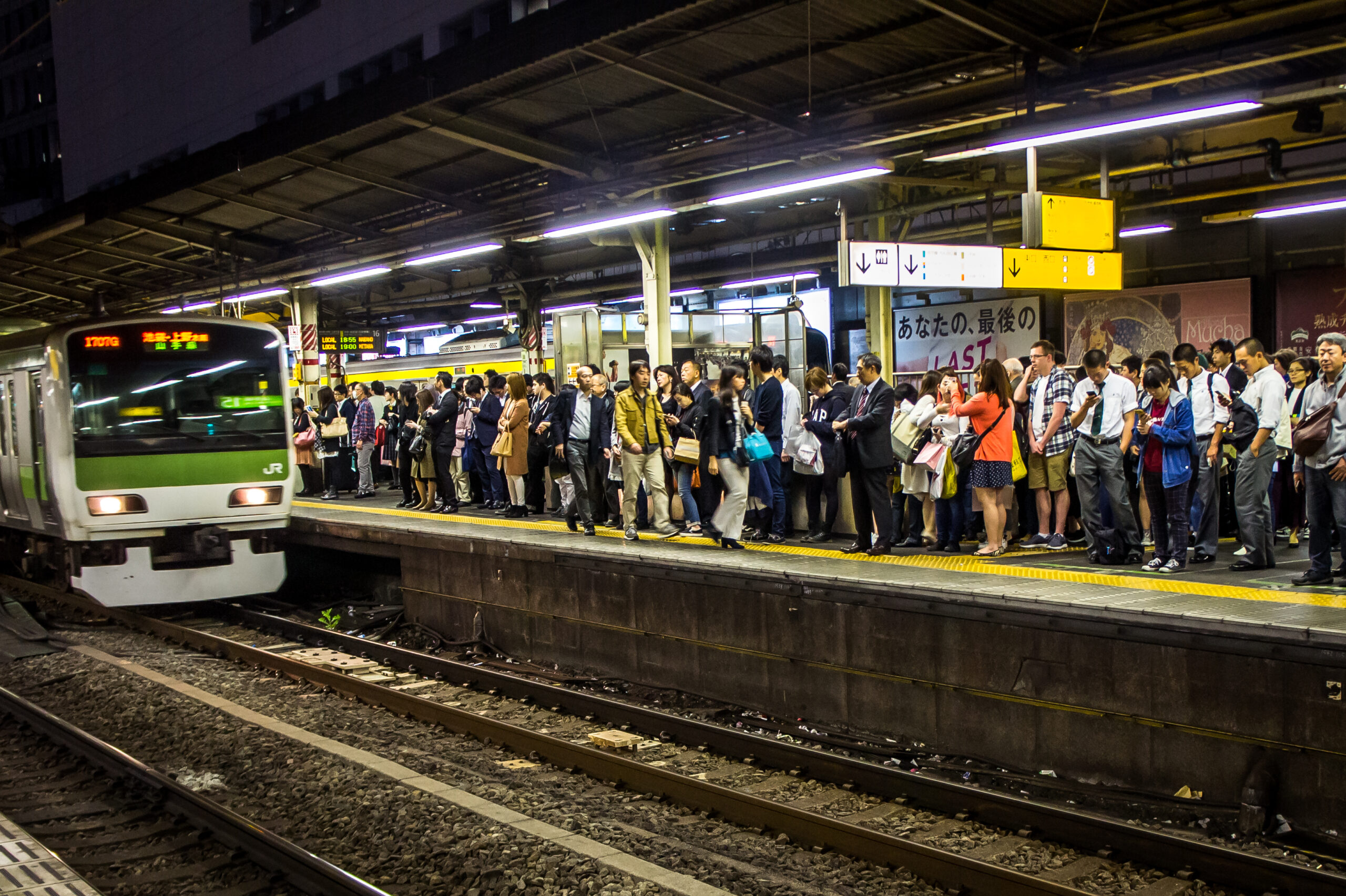
In a busy station, people may adjust their movements so that others can pass. During a group project, one person might notice that a quieter member has not had a chance to speak and gently invite them in.
Such actions do not require elaborate explanations. They require attention.
In Japanese, the idea of omoiyari (思いやり)—consideration for another person’s feelings and circumstances—is often discussed alongside these habits. When attentiveness is offered freely, it can be a beautiful form of kindness.
Some of Japan’s most reassuring everyday moments are almost invisible because no one makes a spectacle of them.
A helpful gesture occurs. A small difficulty disappears. Everyone carries on.
But this is only one side of the story.
3. Honne and Tatemae: What We Feel and What We Say
Two other Japanese words help explain what happens when social consideration meets private emotion.
Honne (本音) refers to one’s genuine feelings or personal view. Tatemae (建前) refers to the position or expression that is appropriate in a public or social setting.
Neither word is a perfect synonym for truth or falsehood.
A person might genuinely appreciate being invited to dinner but feel too exhausted to attend. Instead of saying, “I don’t want to go,” they might respond, “That sounds nice, but it could be difficult this week.” They may be trying to decline without rejecting the person who invited them.
That is not necessarily deception. Most societies have ways of softening disagreement or protecting another person’s dignity.
The challenge begins when the listener is expected to understand a message that has never been stated clearly.
Is “I’ll think about it” an actual promise to consider the invitation? A gentle refusal? A request for more time?
Context matters. The phrase alone does not reveal the speaker’s intention, and there is no universal secret code that allows anyone to read another person’s mind.
This is where cultural guides can be misleading: they sometimes suggest that every Japanese smile hides a different feeling, or that every indirect answer means no. Real people are much more varied than that.
Still, the possibility of a gap between honne and tatemae can make conversations feel like a delicate negotiation.
What matters may be not only what is said, but what the other person is expected to understand without being told.
4. The Office Where Nobody Says “Stay”
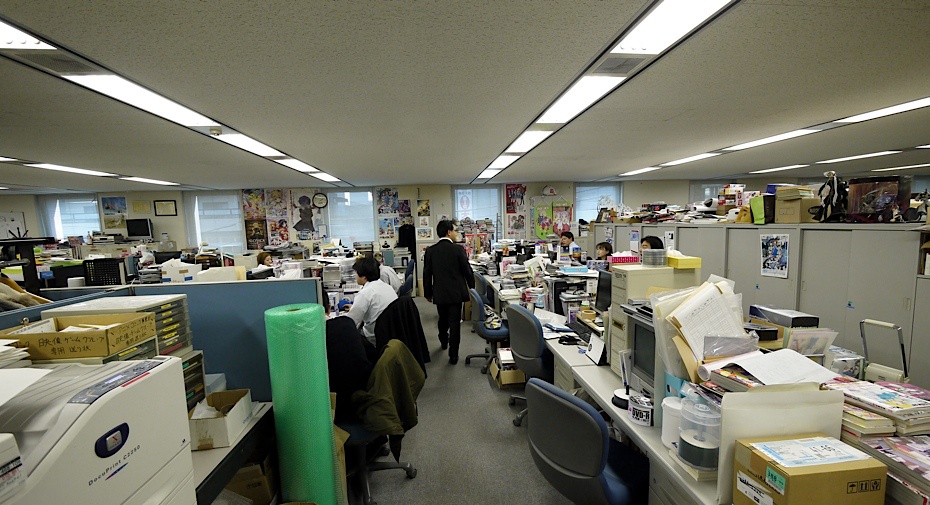
Return to the employee who wants to go home.
Her manager has not ordered overtime. A colleague may simply be finishing a difficult project. Yet she worries that leaving first will make her seem insufficiently committed.
The pressure is difficult to challenge precisely because it has not been spoken.
If she asks, “Am I allowed to go home?” the answer may be an easy yes. But she may still feel that the social answer is different from the formal one.
This is a hypothetical example, not a claim about all Japanese offices or a substitute for evidence about working hours. Some workplaces actively encourage staff to leave on time and speak openly; others have more rigid hierarchies and expectations.
The broader issue is one of communication.
When expectations remain unspoken, employees may spend energy guessing what counts as acceptable behavior. A person can be technically free to speak yet feel unable to challenge a decision. A colleague might hesitate to report a mistake because no one else has raised a concern.
And when harmful conduct enters the picture, “that’s just how things work here” is not an adequate excuse. Japan’s labor ministry requires employers to take measures against workplace power harassment and to protect workers who seek consultation from disadvantageous treatment.
A shared atmosphere should never outrank a person’s dignity or safety.
5. The Pressure to Belong Starts Earlier
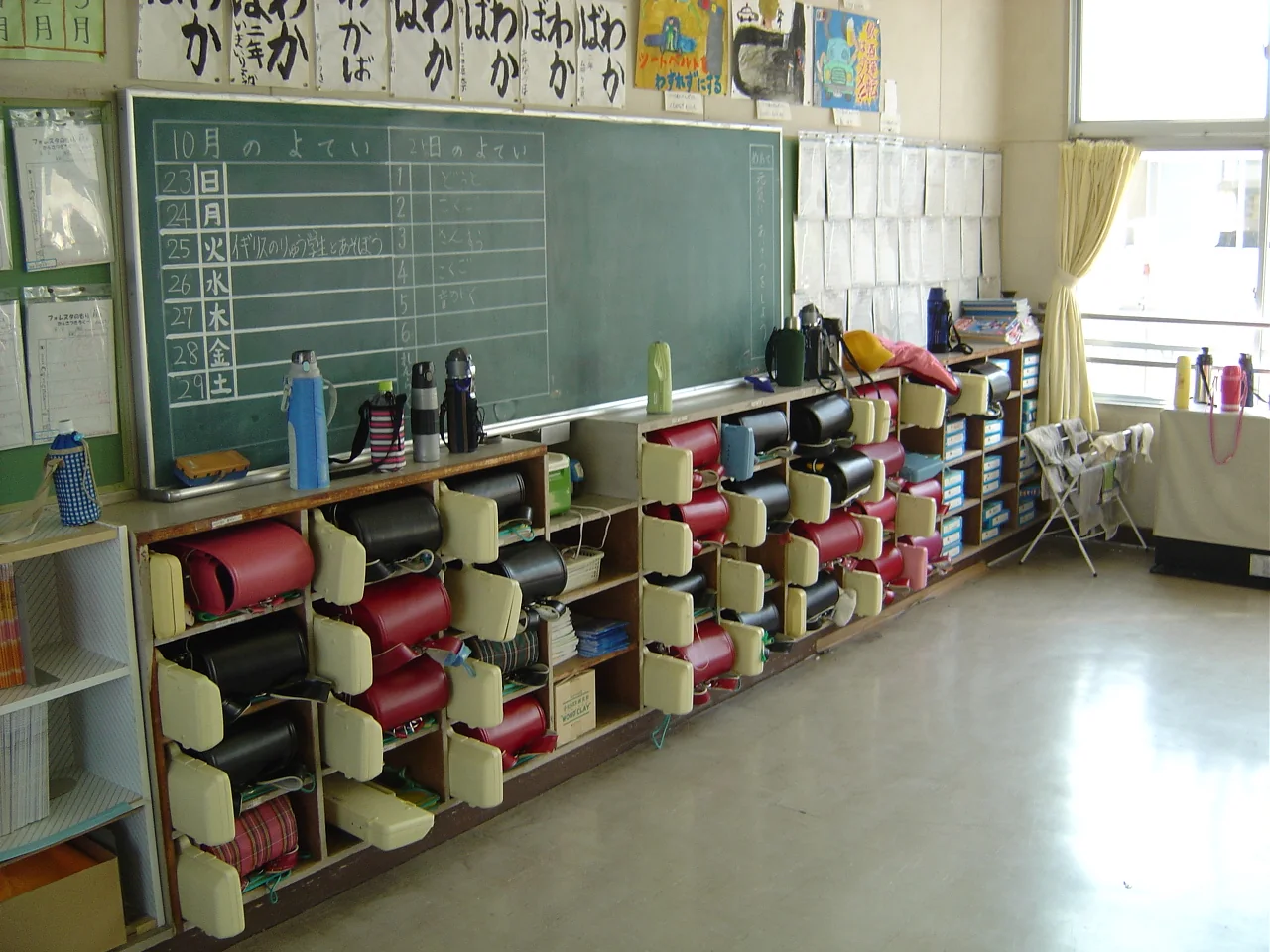
Learning to notice other people is not confined to adult life.
Many Japanese schools emphasize shared routines: class activities, cooperation, classroom duties, and responsibility for common spaces. These can help children learn how to participate in a group and care for others.
But any group can also make difference feel risky.
A student may know the answer to a question yet hesitate to raise a hand because everyone else is silent. Someone with an unusual interest, opinion, or way of communicating may wonder whether standing out will lead to teasing or exclusion.
Japanese researchers have investigated peer-group pressure and conformity among school-age children. Such studies show that group influence is a subject of research, not that all children respond identically or that conformity is uniquely Japanese.
The same classroom can be a source of friendship and a place where a child worries about being different.
The important question is not whether children should learn cooperation. It is whether they can cooperate without learning to disappear.
6. When Silence Is Mistaken for Agreement
Reading the air can help a group avoid unnecessary conflict, but a quiet room does not always mean that everyone agrees.
Consider a meeting in which the most senior person proposes an idea. The others nod politely. Some genuinely support it. Others are uncertain but do not want to embarrass a colleague. One person spots a practical problem but waits for someone else to speak first.
If nobody asks a clear question, the group may leave believing it has reached a consensus.
That is a risk of treating silence as evidence.
The problem is not indirect communication itself. Direct speech can also be intimidating, insensitive, or unfair. The problem is a setting in which people cannot safely express uncertainty, ask for clarification, or say no.
A useful distinction is between harmony created by genuine mutual understanding and harmony created by the absence of dissent.
From the outside, both can look peaceful.
Only one gives everyone a voice.
7. What Happens When the Rules Are Invisible to Outsiders?
For visitors and international residents, Japanese indirectness can be especially confusing.
A person who expects a clear yes or no may take a courteous response literally. Someone raised to treat open disagreement as respectful participation may be surprised when a frank question changes the atmosphere.
But it would be equally misleading to divide the world into “direct Westerners” and “indirect Japanese.” Communication styles vary among individuals, generations, workplaces, languages, and situations. Many people in Europe, North America, and elsewhere also depend on unspoken social cues.
The difference is often in which cues people have learned to notice and how much responsibility the listener is expected to carry.
A 2026 study on intercultural communication in Japan argues for making hidden assumptions more explicit—a process the author describes as translating the “air.” It also emphasizes designing environments where people feel psychologically safe asking questions or requesting accommodations.
That is an especially useful approach in classrooms and workplaces where people do not share the same cultural background.
Instead of assuming everyone understands, a manager can explain expectations. Instead of expecting a colleague to recognize a hidden refusal, someone can say clearly and kindly, “Please don’t feel obliged.”
Clarity can itself be a form of consideration.
8. The Cost of Being the Person Who “Doesn’t Get It”
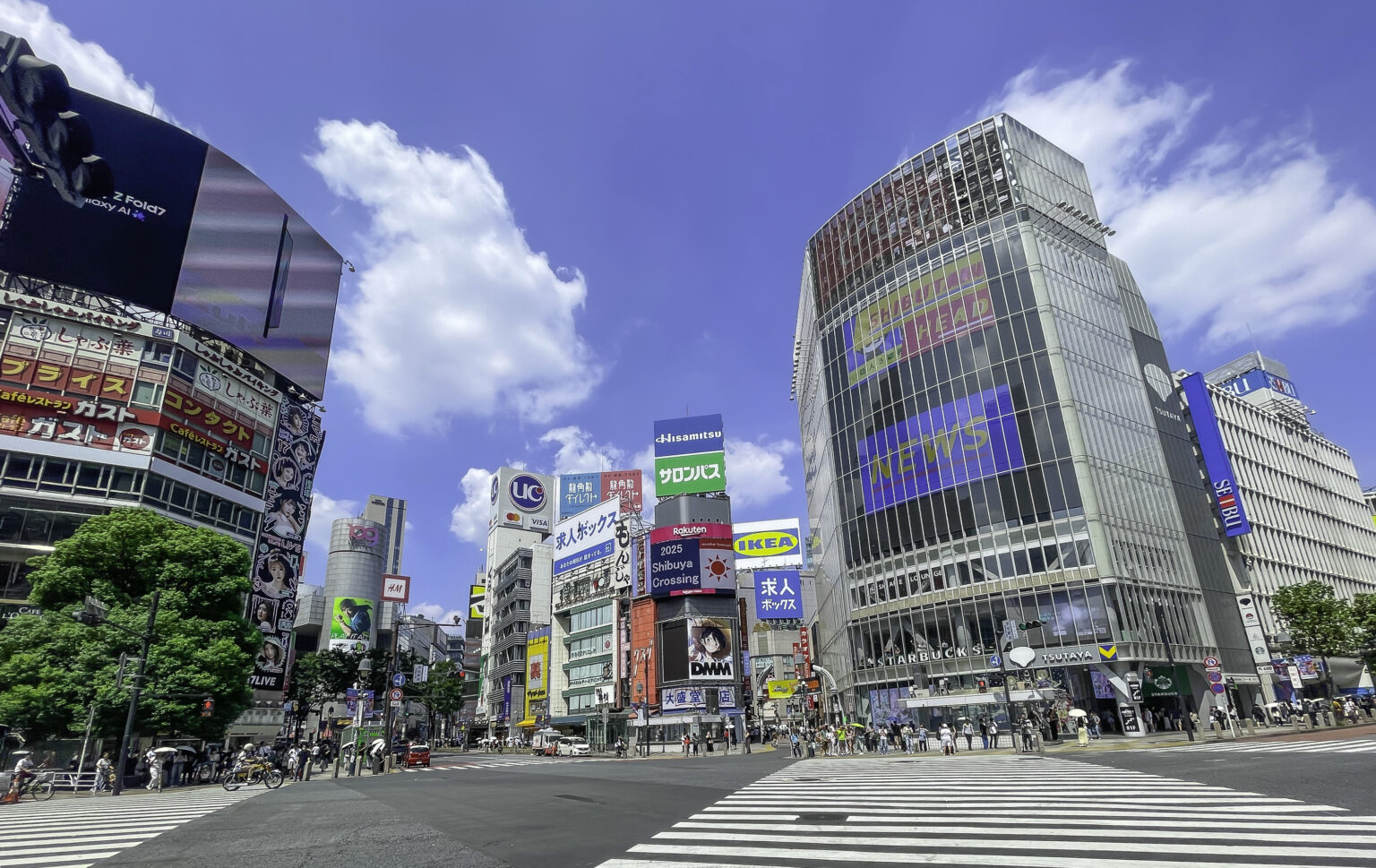
There is a Japanese expression, kūki ga yomenai: someone who cannot read the air. It has sometimes been shortened in slang to KY.
The label can be playful. It can also be unkind.
When a group treats its unspoken expectations as obvious, someone who misses those cues may be judged as insensitive, awkward, or uncooperative. But there are many reasons people interpret a situation differently.
They may be new to the country. They may process communication differently. They may be anxious, distracted, unfamiliar with the group, or simply unwilling to follow an expectation they consider unfair.
A culture that values awareness of others also has to ask what happens to people whose signals differ from the majority’s.
Expecting everyone to read the same invisible script can make inclusion harder, especially when the script has never been explained.
Perhaps the more considerate response is not to insist that someone “read the air,” but to make room for a conversation.
9. Kindness Without Self-Erasure
There is no need to choose between thoughtfulness and honesty.
A person can decline an invitation without humiliating the host. A manager can state expectations without threatening an employee. A friend can disagree and remain a friend. A student can be part of a group without having the same opinions as everyone else.
These are not purely Japanese dilemmas. They are human ones.
But Japanese expressions such as kūki o yomu, honne, and tatemae give a distinctive vocabulary to the tension.
They help explain why an ordinary moment—a pause in a meeting, an ambiguous invitation, a glance around an office—can carry so much social meaning.
In its best form, reading the air means recognizing that other people have feelings we should consider.
In its most exhausting form, it means believing those feelings must always matter more than our own.
The difference is not small.
One is empathy.
The other can become self-erasure.
10. The Freedom to Speak and the Freedom to Be Quiet
Japan’s reputation for order, courtesy, and social consideration has real roots in habits that many people value. Those habits deserve understanding rather than caricature.
But no society is truly considerate if belonging requires constant fear of making a mistake.
A good workplace should allow someone to say, “I don’t understand.” A good school should make space for a different opinion. A good friendship should make it possible to say, “I would rather not.”
None of these statements needs to destroy the atmosphere.
Sometimes it improves it.
The next time you see a quiet train platform, a careful exchange between colleagues, or a group moving together through a Japanese street, remember that the visible scene cannot tell you everything about the people inside it.
Some are content. Some are tired. Some feel supported. Others may be holding back words that matter.
You cannot read every heart by reading the room.
And perhaps the most meaningful form of consideration is to recognize that you shouldn’t have to.
The best kind of harmony is not the silence of people who are afraid to disagree. It is the trust that allows people to be different—and still belong.