Dogs & Life Together · Ome, Tokyo
Mount Mitake with a Dog: A Shrine Visit Above Tokyo
A wolf guardian, a cable-car ticket and a prayer for a companion: how one Tokyo mountain makes room for dogs.
5 MIN READ · DOGS & LIFE TOGETHER
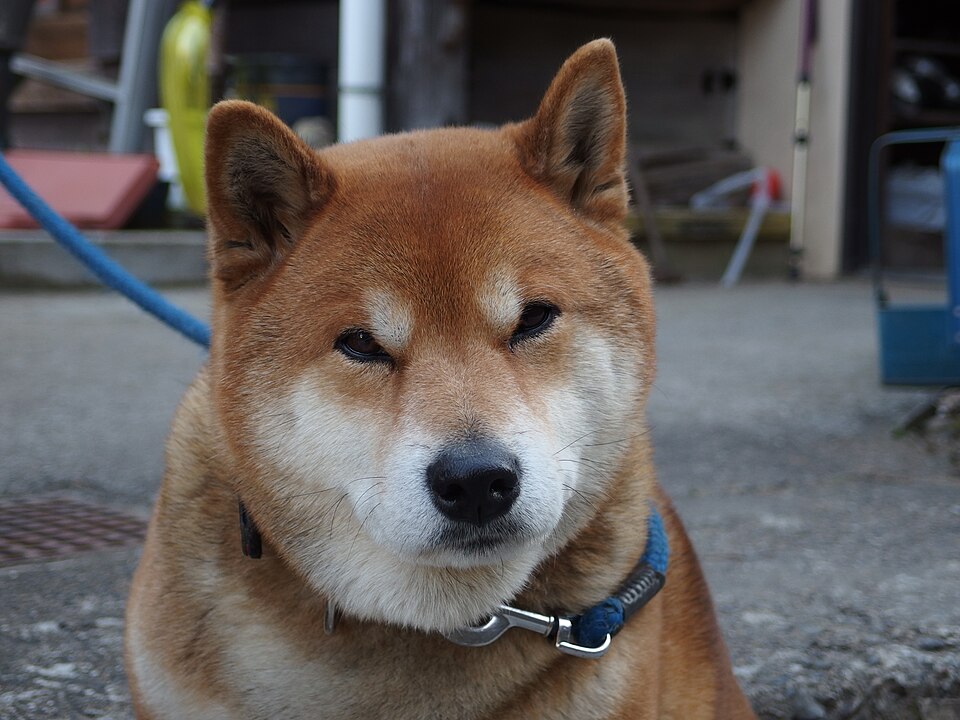
Photo: Guilhem Vellut / Wikimedia Commons / CC BY 2.0. Resized to 960 pixels wide; original composition retained.
A mountain shrine, a wolf guardian and a dog on a lead: on Mount Mitake, these belong to the same story.
In Ome, on Tokyo’s western mountain edge, Musashi Mitake Shrine welcomes visits with dogs and offers prayers for them. Its connection with animals reaches further back, to a Japanese wolf revered as Oinu-sama. Following that connection reveals a particular place where an older religious tradition meets the everyday wish to keep a companion well.[1]
The “dog” in the story is a wolf
The shrine stands at the 929-metre summit of Mount Mitake. It is a place of pilgrimage and mountain worship, with several deities enshrined within its grounds. Among them is Okuchi Magami, the wolf deity affectionately known as Oinu-sama.[2]
According to the shrine’s legend, the warrior Yamato Takeru lost his way in the mountains. A white wolf guided him, and he asked it to remain as a guardian. This is a sacred origin story, passed down as part of the shrine’s tradition.[1]
The connection also had a practical side. Wolves preyed on animals that damaged crops, giving farming communities a reason to value an otherwise frightening neighbour. The Japan Tourism Agency describes protective wolf talismans displayed near the entrances of homes on the mountain and in nearby towns.[2]
Look closely at the stone guardian in the photograph: the pointed ears and long muzzle give the story a visible presence. A dog visiting today enters a landscape whose animal guardian has a much older role.
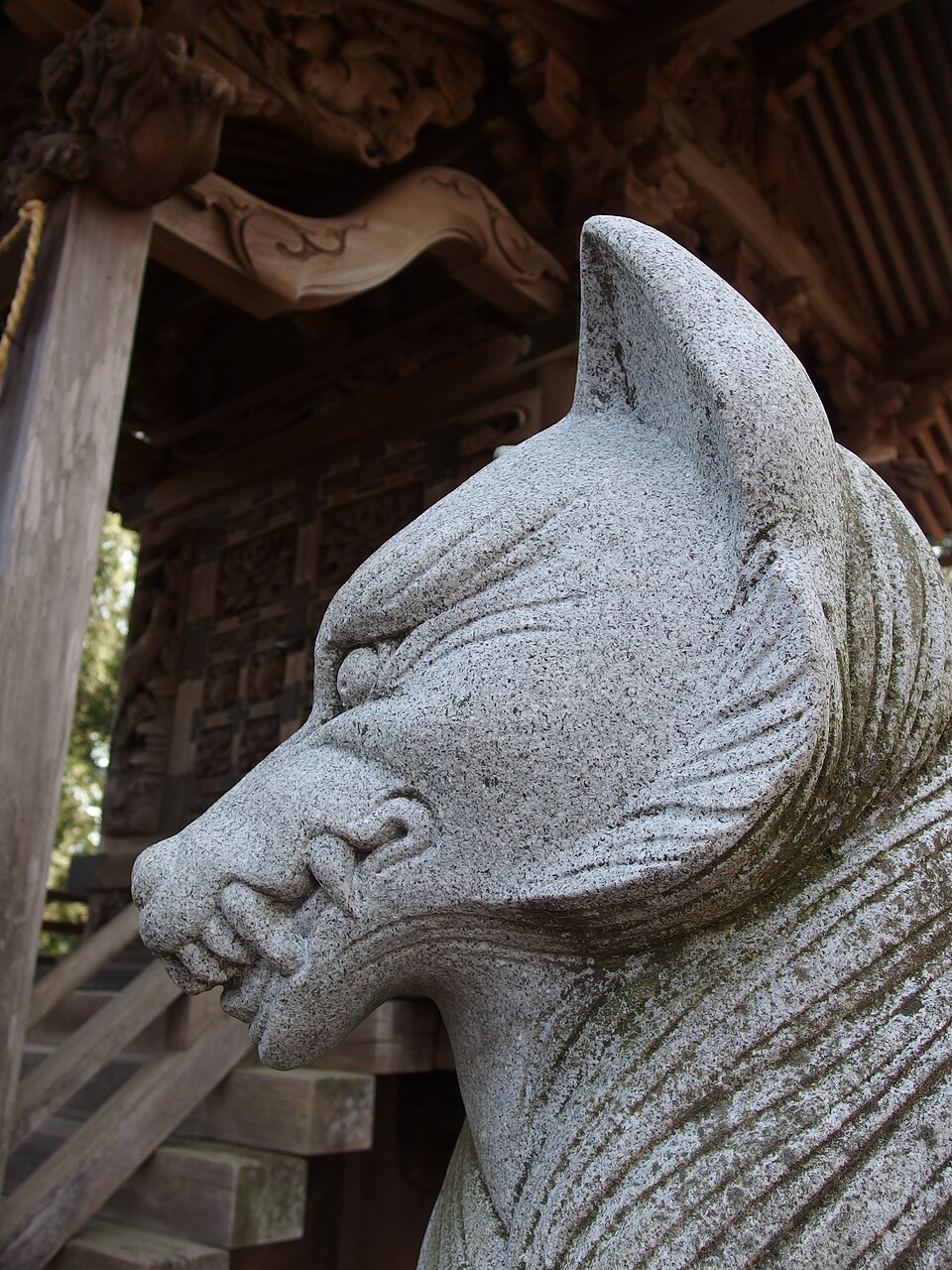
Photo: Guilhem Vellut / Wikimedia Commons / CC BY 2.0. Resized to 960 pixels wide; original composition retained.
A prayer for the dog beside you
The shrine explains that it began offering prayers for dogs in response to requests from their owners. The ceremony takes place outdoors at a designated worship space, with dog and owner attending together. The wishes include health, longevity and safe travel.[3]
There are small objects that carry those wishes home, too: charms designed for a collar or lead, and a paw-patterned charm divided between pet and owner. These are religious tokens expressing a wish for protection.[3]
That shared charm is a revealing detail. A companion has become part of the household’s hopes, with a place in a ritual that the owner can take part in.
The visit begins before the shrine steps
Mount Mitake is still a mountain, even when the journey starts with a cable car. The shrine’s access guide describes a ride from Takimoto Station to Mitakesan Station, followed by roughly 25 minutes on foot. The route passes through a village, climbs steep slopes and ends with about 330 stone steps. That walking estimate is a guide; your dog’s pace may be different.[4]
Mitake Tozan Railway allows dogs on its cable car without a cage when the appropriate pet ticket has been purchased. Its model course directs passengers to the shared pet area and asks them to follow staff instructions. Plan the rest of the journey separately: the cable car’s policy does not establish the rules for any train or bus you take to reach it.[5][6]
The change of pace is part of the visit. A short ride uphill leads into a settlement and then a climbing approach, so a dog’s walk and a shrine visit gradually become one outing.
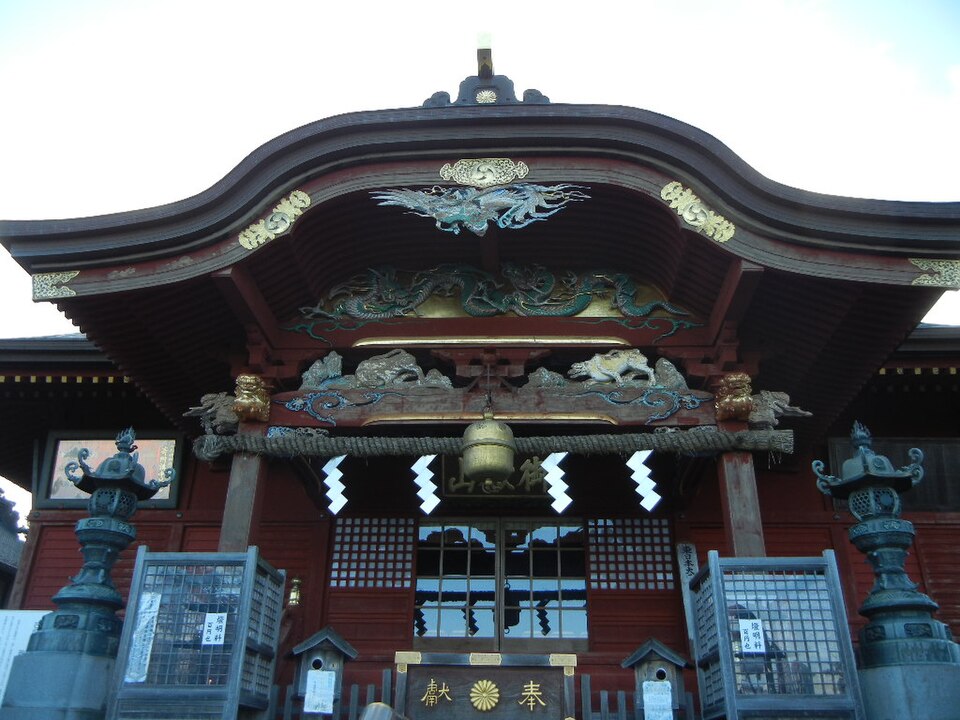
Photo: User: (WT-shared) NY066 at wts wikivoyage / Wikimedia Commons / CC BY-SA 3.0. Resized to 960 pixels wide; original composition retained.
Leave room for other visitors
The shrine asks owners to remember that some worshippers are uncomfortable around dogs. It also notes that the climb and contact with strangers can put dogs under stress. Giving another person space on a narrow approach is part of making the welcome work.[3]
For a considerate outing, bring water and waste bags, keep your dog close on a lead and pause away from the main flow of people. Ask before approaching another dog or taking a close photograph of someone’s pet. Follow signs and staff guidance about where dogs may go.
Choose the length of the walk with care. The railway’s longer model course extends towards the Rock Garden, where paths beyond the shrine are unpaved. It specifically excludes Nanayo Falls from its suggested dog route because of the steep stairs and iron ladder. Reaching the shrine can be enough for the day.[6]
A good visit is one that suits the dog you brought. There is no need to turn a shared outing into a test of how far either of you can walk.
Before you go
What if my dog cannot manage the climb?
The shrine says owners may attend without their dog when age, illness, distance or other circumstances make a joint visit difficult. Contact the shrine to arrange this.[3]
Is New Year a good time to bring a dog?
The shrine discourages dog visits during the first three days of January and pauses dog prayers for about ten days at the beginning of the year. Check its notices for the exact arrangements.[3]
Which information should I check?
Use the official links below for prayer arrangements, cable-car operation, pet tickets and the mountain’s dog rules. Check the conditions for your entire journey, including any connecting transport.
Sources & further reading
- Musashi Mitake Shrine — Oinu-sama (Japanese)
- Japan Tourism Agency — Musashi Mitake Shrine
- Musashi Mitake Shrine — Prayers for dogs (Japanese)
- Musashi Mitake Shrine — Access and the walk to the shrine (Japanese)
- Mitake Tozan Railway — Visiting with dogs (Japanese)
- Mitake Tozan Railway — Dog walking model course (Japanese)
This article draws on the shrine’s own account and official visitor information. The wolf story is presented as religious tradition. Photographs are archival views of Mount Mitake and the shrine, with individual credits above.







Comments