Culture & Traditions
Goshuin in Japan: A Journey Recorded in Ink and Red Seals
What is a goshuin, and how do you receive one? A guide to Japan’s shrine and temple seals, the books that hold them, and the visit behind each page.
By Maki Kakudate · 5 minute read
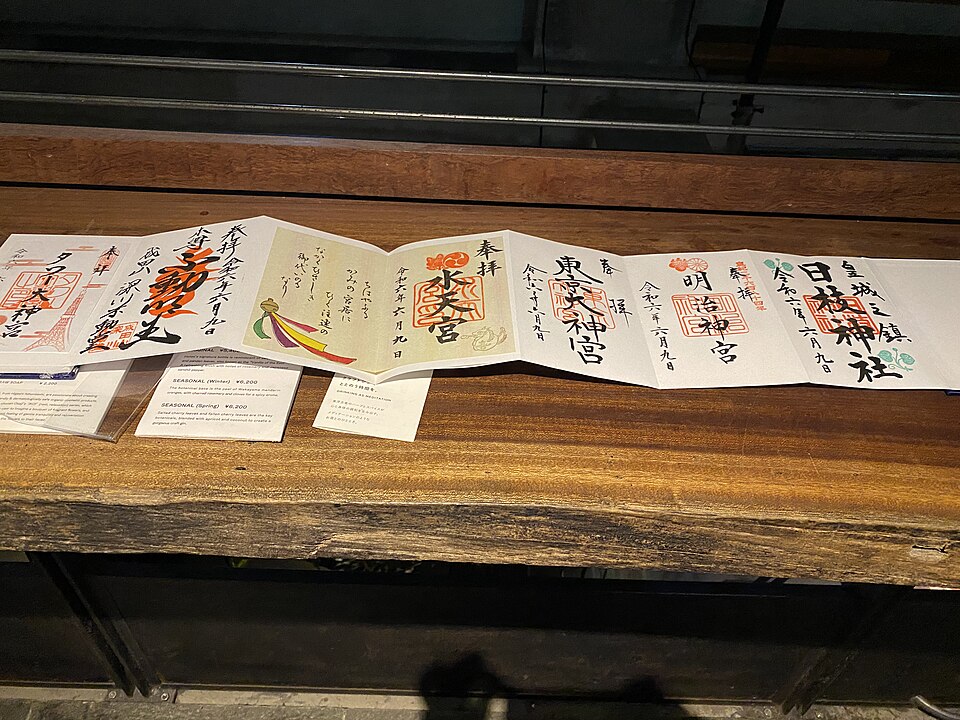
Unfold a goshuincho and the pages become a small procession of places: red seals, sweeping brushstrokes, a date written beside a name. Even before you can read the characters, you can see that each entry has its own shape.
A goshuin is a seal received at a Japanese shrine or temple as a record of worship. Dazaifu Tenmangu describes its shuin as a combination of the shrine’s stamp and calligraphy, typically including its name and the date of the visit.1 Those few details give the page something a photograph may leave out: a written record of being there on a particular day.
What does a goshuin mean?
The custom has connections to pilgrimage and Buddhist devotion. An account from the Embassy of Japan in Singapore describes the tradition of recording visits to religious sites and another explanation for its origins: seals given as receipts for handwritten sutras offered to a temple.2
Today, both shrines and temples offer goshuin. Sensoji explicitly calls its seals evidence of a visit made in worship.3 This is why paying your respects belongs at the center of the experience, even when the beautiful lettering first catches your attention.
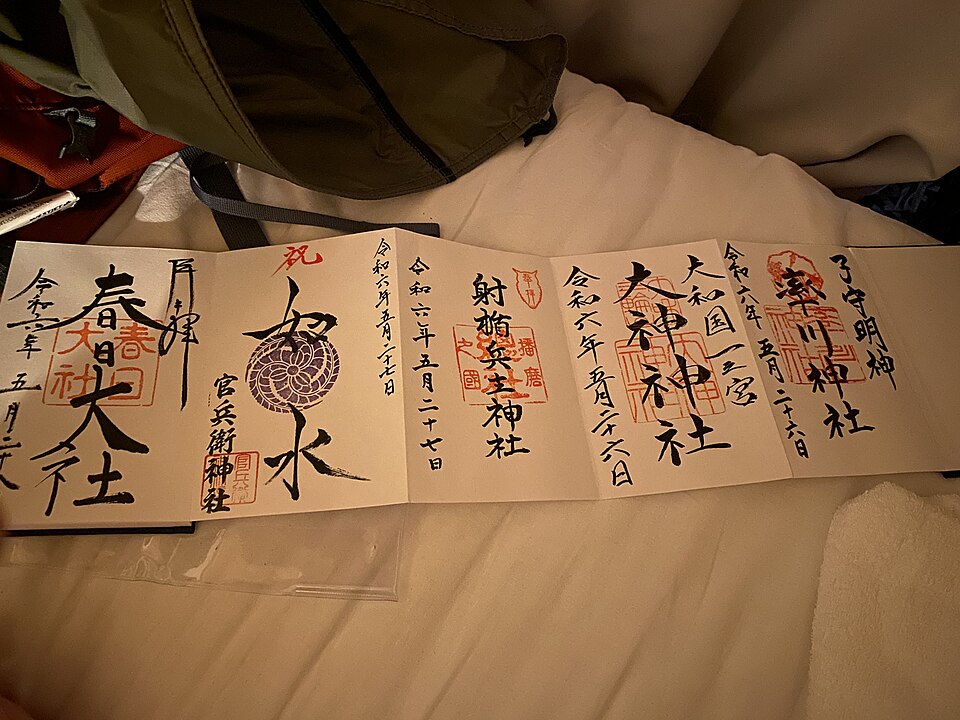
The finished page often combines a place name, the visit date and red seals. You may also see 奉拝, read hōhai, an expression of worship. Layouts and calligraphy vary, so use these as clues when looking at a page, rather than expecting every goshuin to follow one template.2
What is a goshuincho?
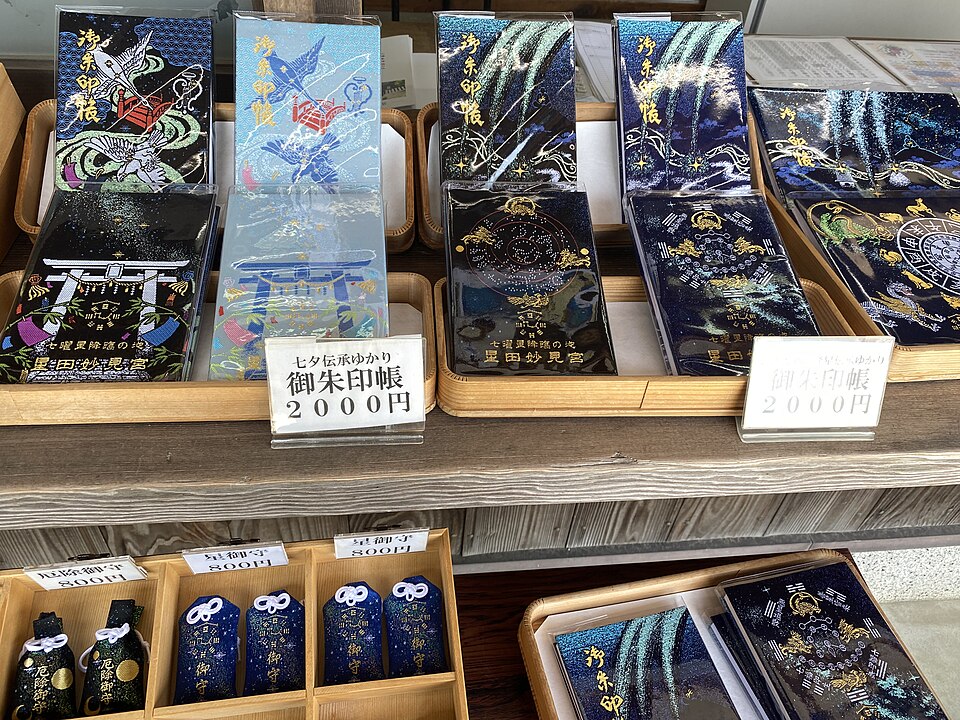
A goshuincho (御朱印帳) is a book for receiving and keeping these seals. A familiar format is the accordion-fold book, which opens into a continuous strip of pages. Dazaifu Tenmangu offers decorative fold-out books for visitors planning to receive seals from several shrines.1
You can begin at a shrine or temple that offers books. Meiji Jingu, for example, confirms that both goshuin and goshuincho are available at its counter near the main shrine building.4 Choose something you will enjoy carrying, then leave enough space in your bag to protect the cover and pages.
Keep ordinary sightseeing and railway stamps in another notebook. JNTO advises reserving the goshuincho for these sacred seals.5
How do you receive a goshuin?
JNTO’s basic guidance is to pray first, then approach the relevant counter. For an entry written directly into your book, open it to the page you would like the staff to use.5
- Visit and pay your respects. Follow that shrine or temple’s guidance for worship.
- Find the goshuin reception. If you cannot locate it, ask the staff; it may be near the amulet counter.
- Check the options and offering. Read the displayed amount and payment instructions before handing over your book.
- Follow the collection procedure. At busy times, you may leave your book and return for it later. Keep any collection ticket safe.
- Give the next visitor room. Step away from the counter before studying the finished page.
A simple phrase at the counter
御朱印をお願いします。
Goshuin o onegaishimasu.
“A goshuin, please.”
Showing your book can help make the request clear. If there are several designs, ask which are available that day.
Bring some cash. Meiji Jingu’s English FAQ specifically says that its goshuin counter does not accept credit cards.4 Check the arrangements at each place instead of assuming that nearby shops and religious counters use the same payment methods.
Why might you receive a separate sheet of paper?
A goshuin may be provided on paper prepared in advance, often called kakioki (書き置き). At Kamakura’s Hasedera, the current guidance specifies paper goshuin during certain months instead of writing directly into ordinary goshuincho, with exceptions for particular pilgrimage items.6
A separate sheet is therefore an established way to receive a goshuin. It does not mean your visit has been recorded incorrectly. Check the temple’s current notice if direct writing matters to you, and accept the format being offered.
Carry a folder or protective sleeve for loose sheets. If you have forgotten your book, ask whether a paper version is available; JNTO describes this option, but the local counter can confirm what it offers.5
Where can you begin?
These three places explain their arrangements on their own websites. Choose one that already fits your journey and check its current visitor information before setting out.
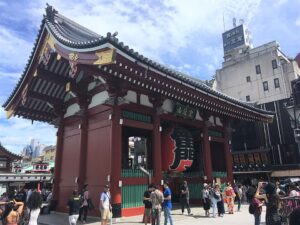
- Sensoji, Tokyo. Goshuin are received at Yogodo Hall, west of the main hall—on your left when facing it. The temple offers seals for its principal Kannon and for Daikokuten of the Asakusa Seven Lucky Gods, as well as books.3
- Meiji Jingu, Tokyo. Its goshuin counter is near the main shrine building. The shrine also welcomes visitors who are not Shinto believers.4
- Dazaifu Tenmangu, Fukuoka. Ask at an amulet counter for a shuin. Its visitor guide welcomes people of any faith to offer prayer and explains the shrine’s customs in English.1
Allow time for the place as well as the counter. One entry from a visit you remember can be a satisfying beginning; the remaining blank pages can wait for another trip.
More to notice at the counter
Explore three other customs you may encounter during the same visit.
Sources & further reading
Sources checked October 23, 2026. Reception hours, offerings, designs and writing arrangements can change; follow the current instructions at each shrine or temple.
- Dazaifu Tenmangu — Experiences: Shuin and Offering Prayer. The seal, calligraphy, date, fold-out book and welcome to visitors of different faiths.
- Embassy of Japan in Singapore, Japan Creative Centre — Goshuin: Collecting Stamps at Temples and Shrines (February 2022). Historical explanations and common elements of a goshuin.
- Sensoji — Goshuin (Japanese). Meaning, the two seals and the Yogodo reception.
- Meiji Jingu — Q&A. Counter location, books, credit-card restrictions and visiting as a non-believer.
- Japan National Tourism Organization — Collecting Goshuin—Shrine and Temple Stamps (December 2020). Basic procedure, collecting a book later, paper versions and keeping other stamps separate.
- Kamakura Hasedera — Goshuin (Japanese). Paper goshuin and exceptions to the seasonal writing arrangements.
Photographs are from 2024; displayed prices and designs are historical examples. Credits and licenses appear beneath each image. Suggestions about carrying a protective folder, choosing a manageable itinerary and making room at the counter are editorial guidance.









Comments