Anime Pilgrimage · Hida-Furukawa
Your Name in Hida-Furukawa: Beyond the Famous Station
A library that welcomed film fans, a familiar railway view, and the town waiting beyond the screen.
ANIME & FANDOM · 5 MIN READ
One of the most revealing stops on a Your Name pilgrimage is a public library.
After the film’s release, Hida City Library welcomed visitors looking for a place they recognised from animation. Its staff put up multilingual guidance and created ways for fans to leave messages. A building devoted to books had become somewhere people travelled to because of a film.1
Hida-Furukawa, in northern Gifu Prefecture, offers several of these encounters. Hida City’s official route for the film’s tenth anniversary in 2026 connects familiar locations with places to eat and try local crafts.2 For a first visit, that combination makes a rewarding starting point.
Begin at Hida-Furukawa Station
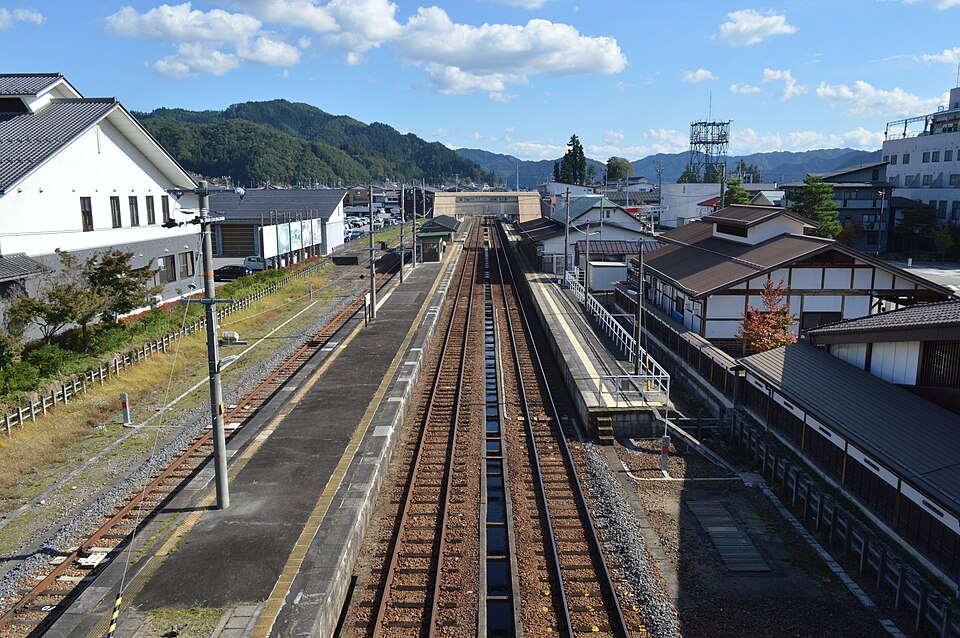
The station is a practical arrival point and one of the town’s best-known film connections. It opened in October 1934 and serves the JR Takayama Main Line, close to the old town. Hida City identifies both the station and the nearby overpass as places associated with Your Name.3
From the overpass, the tracks and platforms form the view many fans come to find. Outside the station, the bus rotary offers another connection: the city’s anniversary guide points to the scene in which a taxi driver is asked for information.2
Give yourself time to look before reaching for your phone. A remembered composition is only one way of seeing a working station. Keep the passage clear for people crossing it, and enjoy the view even if no train happens to be in the right place.
The library: a welcome with a purpose
Hida City Library is about five minutes on foot from the station.4 Its own account of the film’s impact is unusually thoughtful: visitors who simply want to look around are welcome, and encountering a different library might encourage them to use libraries elsewhere.
Photography was already permitted before the film. As fan visits grew, staff made the rules clearer. The library’s published guidance allows interior photography during opening hours until 5 p.m., after requesting permission at the service counter. Avoid photographing other users’ identifiable faces, and follow staff instructions.1
Leave room for the building’s everyday life. Someone at the next table may be doing homework, searching for a book or enjoying an ordinary afternoon. That shared use is part of what makes the visit interesting.
Keta Wakamiya Shrine: another connection
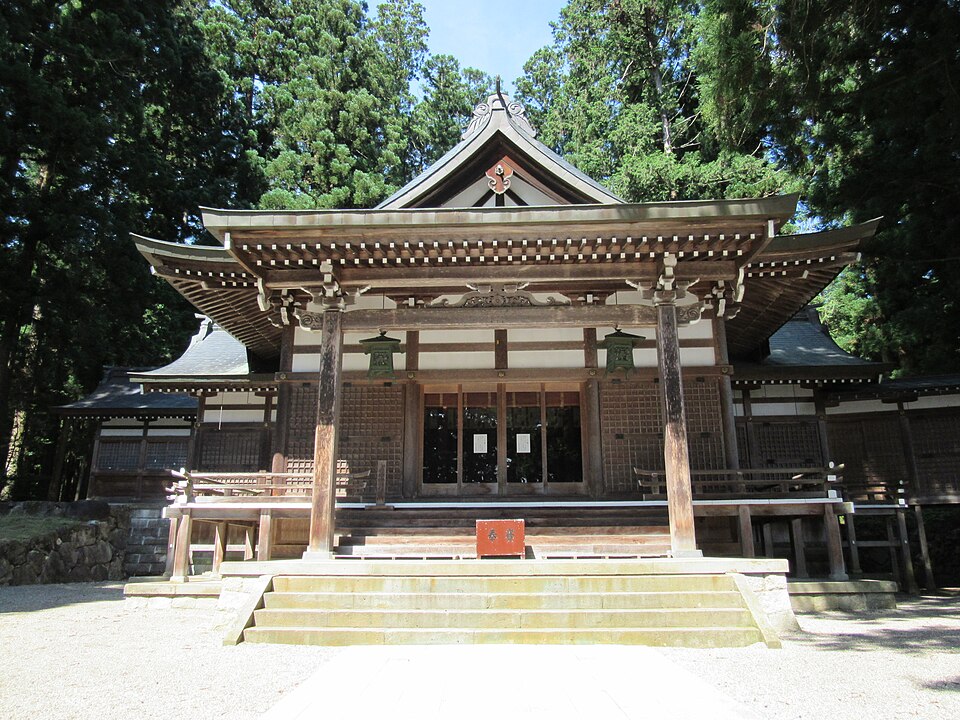
Keta Wakamiya Shrine is roughly a fifteen-minute walk from the station. Hida City’s current guide identifies the approach stairs as the model for a scene in which the protagonist asks for information.2 That specific connection is a useful detail to carry with you as you approach.
The shrine also has an identity far older than the film. Known locally as Sugimoto-sama, it is associated with the Furukawa Festival.5 Allow time to enter respectfully and notice the surroundings, rather than treating the staircase as the whole destination.
Follow the canal into the town
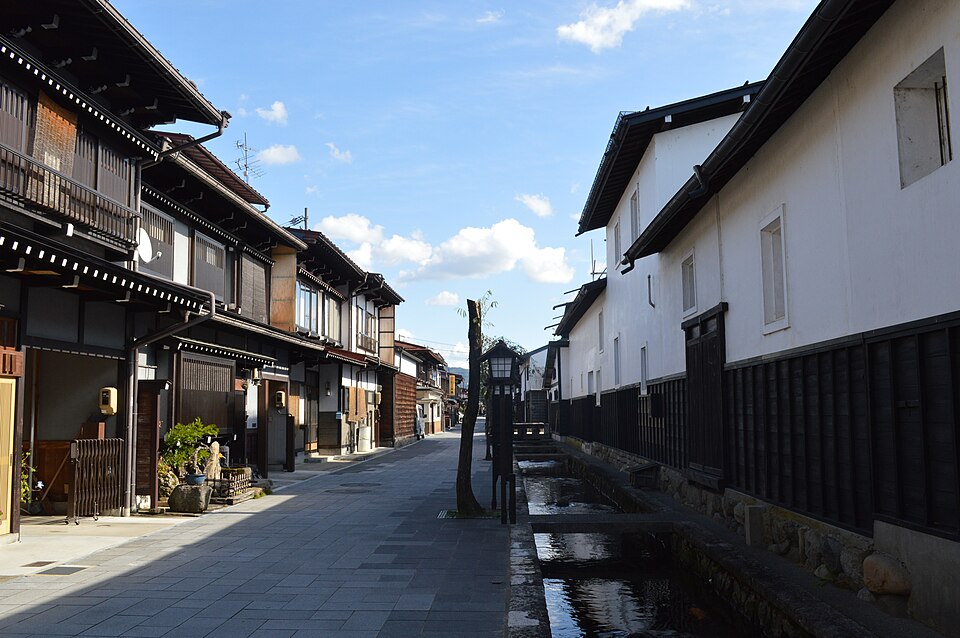
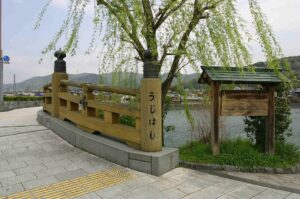
Make space for the white-walled storehouse district, Shirakabe Dozogai, alongside the Seto Canal. Hida City highlights its traditional streetscape and carp, which are generally in the canal from April to November.6 The photograph above shows this part of town in October 2016.
This is a chance to widen the day beyond matching scenes. Look at the contrast between pale plaster and dark timber, or choose a place to stop for lunch. The town has plenty to offer even when you put the film reference away.
For a more hands-on connection, the official route includes braided-cord making at Hida Furukawa Sakura Bussankan. The activity uses a marudai, a traditional round braiding stand, echoing the cords that matter in the film. Check current availability before building your day around it.2
A manageable first visit
From nearby Takayama, Hida-Furukawa is a short train journey north on the Takayama Line. Longer approaches can come via Nagoya or Toyama; Hida City’s access guide explains the main routes. Check current train times, especially for the return journey.7
Build your visit around a few stops, with room for opening days and weather:
- Arrive at the station. Explore the public overpass and station surroundings.
- Walk into town. Visit the library while open, then follow the canal and take a lunch break.
- Choose an extension. Add the shrine, or allow time for a craft activity if available.
Hida’s broader anime itinerary also includes Ochiai Bus Stop, farther north near Tsunogawa. Treat it as a separate excursion requiring transport planning, rather than another stop in the central walking circuit.8
You may come for the railway view and leave thinking about the library: a place where a film brought strangers through the door, and where local readers still need a quiet seat.
Sources & image notes
- Hida City Library, frequently asked questions about the library and anime pilgrimage (Japanese PDF), updated 1 December 2025. Includes its response to visitors and photography rules.
- Hida City, a tenth-anniversary Your Name itinerary (Japanese, 2026): the station rotary, shrine approach and braided-cord experience.
- Hida City, Hida-Furukawa Station: railway history, location and film connections.
- Hida City, Hida City Library: location and visitor information.
- Hida City, Keta Wakamiya Shrine: local name and festival association.
- Hida City, Shirakabe Dozogai Street: the canal, traditional buildings and seasonal carp.
- Hida City, Getting to Hida. Consult current railway timetables when planning connections.
- Hida City, 1-Day Anime Tour of Hida: a broader route including Ochiai Bus Stop near Tsunogawa.
Sources checked on 24 October 2026. The photographs were taken in July and October 2016; they show real places, not anime stills or current visitor conditions. The canal is included for its local streetscape, without a claim that this exact view appears in the film. Credits and licences appear beneath each photograph.





Comments