Real Life in Japan · People and systems
Why Do Lost Wallets Find Their Way Home in Japan?
Behind Japan’s famous stories of returned wallets is something more interesting than a national reputation for honesty: an everyday network of strangers, station staff, police boxes and carefully recorded objects.
LAYERS OF JAPAN · 15 minute read
Imagine a commuter stepping off a train at a busy Tokyo station. Just as the doors close, a hand moves to a jacket pocket. The wallet is gone.
Maybe it slipped onto the seat. Maybe it fell somewhere between the ticket gate and the platform. Or maybe it was left at a café, already several neighborhoods away.
Losing a wallet is frightening anywhere. The cards may need to be frozen. The person may have no way to pay for a ride home. And the lost item is so ordinary that it could disappear into a crowd without anyone noticing.
Yet Japan has earned an international reputation for a different possibility: somebody finds the wallet and hands it in. Days later, its owner hears that it has been recovered.
That possibility is real. But it is not a magic trick, and it does not happen every time. The more revealing story is what happens between a stranger picking something up and its owner receiving it back.
1. The Reputation—and the Question Behind It
Stories about returned wallets can make Japan seem like a place where losing something hardly matters. They appear in travel conversations, social media posts and comparisons with other countries.
But the word returned hides several steps. First, somebody has to notice the item. Then that person has to decide what to do with it. The item needs to enter a system, its details need to be recorded, and the owner needs to know where to look and how to prove a claim.
A sense of civic responsibility matters, but so does the existence of an office nearby with a person willing to accept a found object.
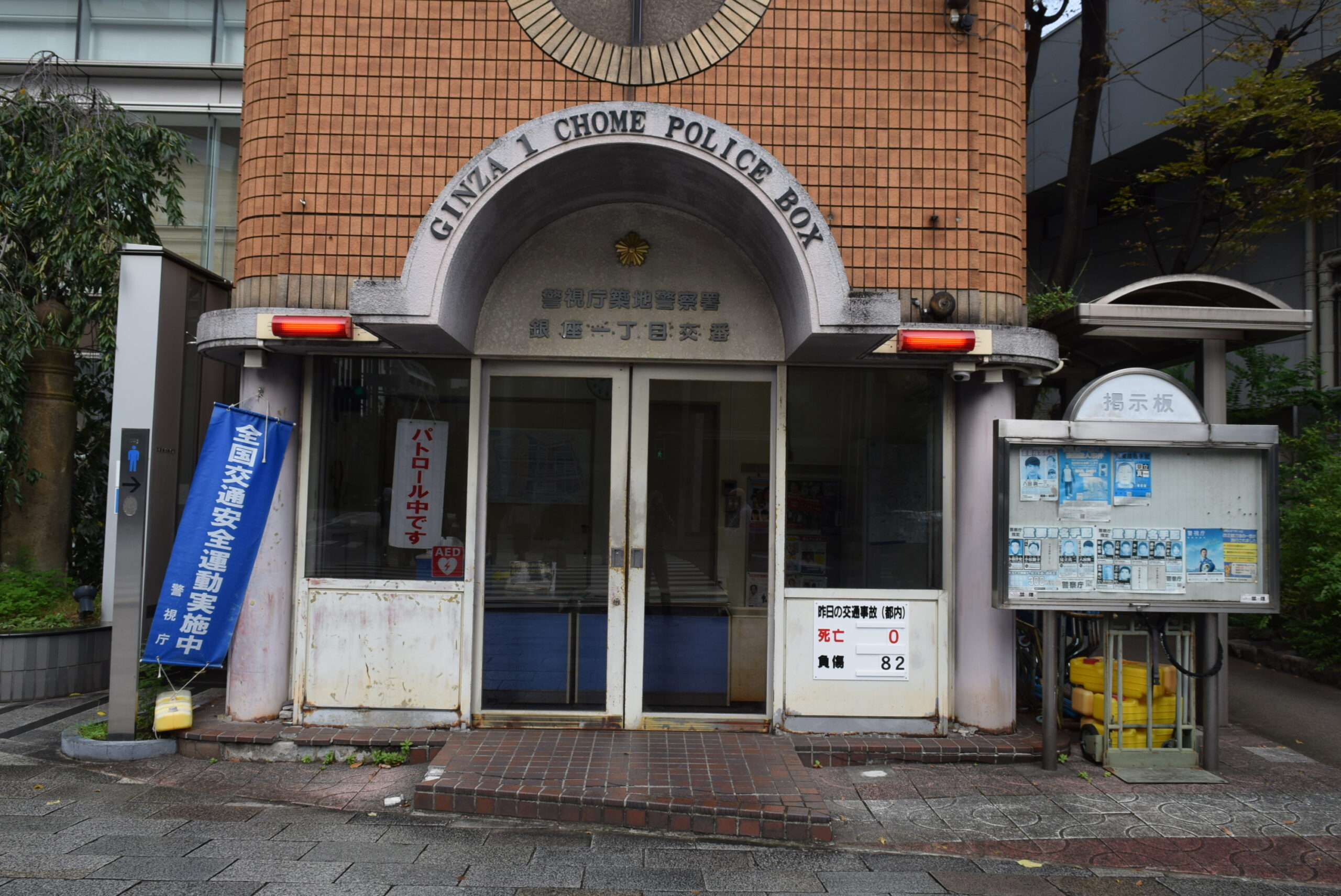
In a large Japanese city, that office may be a railway station’s lost-and-found desk, the front counter of a shop, or a neighborhood police box known as a kōban (交番).
The story is not simply about an individual being good. It is also about giving that individual a practical next step.
2. What Tokyo’s Actual Numbers Show
Tokyo’s Metropolitan Police Department publishes annual statistics on lost property. The figures are large enough to challenge both romantic exaggerations and easy cynicism.
In its 2025 processing figures, police recorded 337,601 wallets and purses handled through the lost-property system. Of these, 226,993 were returned to their owners. That is a substantial number of reunions between people and things they thought they had lost. Tokyo Metropolitan Police Department, 2025 lost-property statistics.
The same annual figures show 144,064 mobile-phone items processed, with 119,516 returned to owners. By comparison, of 275,406 umbrella items processed, only 4,671 were returned to their owners.
These numbers are not a national recovery probability. They describe items processed in Tokyo’s official system in that year. They do not include every object that went missing, every unreported loss or every item resolved outside police records. Some items processed in a given year may have been reported earlier.
That distinction matters. A headline claiming that a certain percentage of all wallets lost in Japan are returned would go beyond what these figures establish.
Still, the contrast is vivid: a wallet carrying identification and a phone that can sometimes be linked to its owner are very different from a nearly identical black umbrella left in a crowded station.
3. First Stop: The Kōban
The kōban is one of Japan’s most familiar urban institutions. It is a small local police post, often found near stations, shopping streets or busy intersections.
Residents may visit a kōban to ask for directions, report a problem or file a lost-property report. A person who finds someone else’s possessions on the pavement can bring them there, too.
That proximity changes the calculation. A finder does not necessarily have to travel to a distant headquarters or spend an afternoon searching for an official contact. A place to hand in the object may be within a short walk.
Not all police posts operate in the same way, and a kōban is not the only place to bring found belongings. But the network helps make returning a lost item an ordinary action rather than an exceptional act of generosity.
There is also something quietly social about the exchange: a stranger hands over an object, explains where it was found, and trusts someone else to take over the search.

4. On a Train, the Journey Continues Without You
A lost item on a train enters another kind of network.
Railway operators have staff, station offices and their own procedures for handling forgotten belongings. Some use computerized systems in which objects are described and registered so that a later inquiry can be matched against them.
JR East says that items handed in at its stations or found by employees are registered in a system. It offers a lost-property inquiry service, including its find chat service, for people trying to locate something left on trains or at stations. JR East lost-property guidance.
Tokyo Metro describes a different but related route. An item may be held at the station first, moved to the operator’s lost-and-found center, and eventually transferred to the police if it remains unclaimed. Its published English guidance explains that an item found on the same day should first be checked with station staff; on subsequent days, the correct storage location may change. Tokyo Metro Lost & Found.
This is why telling someone, “Go back to the station,” can be helpful but incomplete. Where an object is today may not be where it will be next week. The train network keeps moving, and so does its lost property.
5. The Journey from Found Object to Official Record
The moment an item is handed in, a surprisingly unglamorous job begins: administration.
The receiver must identify what has been found, record where and when it was discovered, handle identifying details appropriately, and store or transfer it under the relevant rules. The owner, meanwhile, has to provide a description convincing enough to distinguish their belongings from many similar objects.
A black folding umbrella can be one of hundreds. A phone with a distinctive case may be easier to identify. A wallet may contain cards bearing a name, though that does not mean identification and collection always happen automatically.
The Tokyo Metropolitan Government explains that police boxes or police stations may keep found items for an initial period, while items left on trains or at major facilities can be retained by those operators briefly before reaching the police lost-and-found center. The details vary by location and type of facility. Tokyo Metropolitan Government, Lost & Found Property System.
What looks like a happy story about a single honest person is often a sequence of small, easily overlooked tasks performed by several people.
6. A Law, Not Just a Custom
Japan’s lost-property system also rests on law.
Under the Lost Property Act, found items reported to the police are generally held for a three-month claim period. If the owner does not claim an eligible item, a finder may acquire the right to receive it. Different treatment applies to certain items, including belongings that contain personal information, and the rules should not be reduced to “finders always get to keep what they find.” Tokyo Metropolitan Police, retention period.
A finder can also have a legal right to request a reward in some circumstances. The National Police Agency explains that, under the law, this can be 5–20% of an item’s value, or a smaller share for certain items found in managed facilities. There are notification deadlines and other conditions. National Police Agency, guidance for people who find lost items.
This is an interesting complication in stories that portray all returns as pure selflessness. The law anticipates both helpful behavior and competing claims of ownership. It creates expectations and procedures rather than leaving everything to personal goodwill.
And yet many people who hand something in may never seek a reward. No single motive explains every finder.
7. Why a Wallet and an Umbrella Have Different Fates
What makes an object recoverable?
One answer is identification. A wallet may contain a name or other information that helps connect it to its owner. A phone may have recognizable characteristics, although privacy protections and security locks can make direct contact complicated. A plain umbrella may have nothing more distinctive than its handle.
Another answer is urgency. If your wallet disappears, you are likely to search for it quickly and file a report. If you leave an inexpensive umbrella on the train, you may decide it is not worth a journey across the city to reclaim it.
Finally, there is volume. Even the most carefully organized storage room has limits when thousands of umbrellas, scarves, water bottles and bags arrive.
The official figures for Tokyo make this difference clear without telling us exactly why every individual item was or was not recovered.
A lost-property system can work remarkably well for some objects and far less well for others. That is not a contradiction; it is what happens when human behavior meets the practical details of identification and storage.
8. What the Famous Stories Leave Out
It is appealing to imagine a country in which nobody steals, nobody forgets to report a found object and every traveler gets their belongings back.
But those are not reasonable promises. Theft occurs in Japan. An object can be damaged or lost beyond recovery. A finder might not notice it at all. An owner may not know which railway company carried their train, may already have left the country, or may not speak enough Japanese to navigate the correct inquiry system.
Even a found wallet is not necessarily recovered with all its contents intact. The police statistics cannot certify the condition of every returned item or explain each person’s experience.
The more useful question is not, “Is Japan a perfectly honest country?” It is, “What arrangements make a good outcome more possible—and what gets in the way?”
That question also belongs alongside other everyday stories about how Japanese cities work, from the people keeping streets clean to the unspoken rules that shape ordinary social encounters.
9. What to Do if You Lose Something in Japan
For a visitor, the most useful part of this culture is not the reputation. It is knowing where to begin.
If you left something on a train, contact the operator or ask at the nearest station. If you think it was left in a restaurant, shop or hotel, ask that business first. Keep the approximate time and place in mind and be ready to describe the item precisely.
If an item may have been lost in a public place, visit a nearby police station or kōban and ask about filing a lost-property report. The Tokyo Metropolitan Police Department also describes an online database for searching found items, although that service is available in Japanese. Tokyo Metropolitan Police English lost-and-found guide.
If you have lost credit cards, bank cards or a phone, take protective steps immediately by contacting the issuer or mobile service provider. You should not wait for the lost-and-found system to produce a happy ending.
Keep any report number, record whom you spoke to, and follow up as directed. If you have already left Japan, ask the police or operator how collection can be arranged; do not assume international shipping is automatic.
The right question is often not “Will someone give it back?” but “Which organization has it now?”
10. The People Behind the Counter
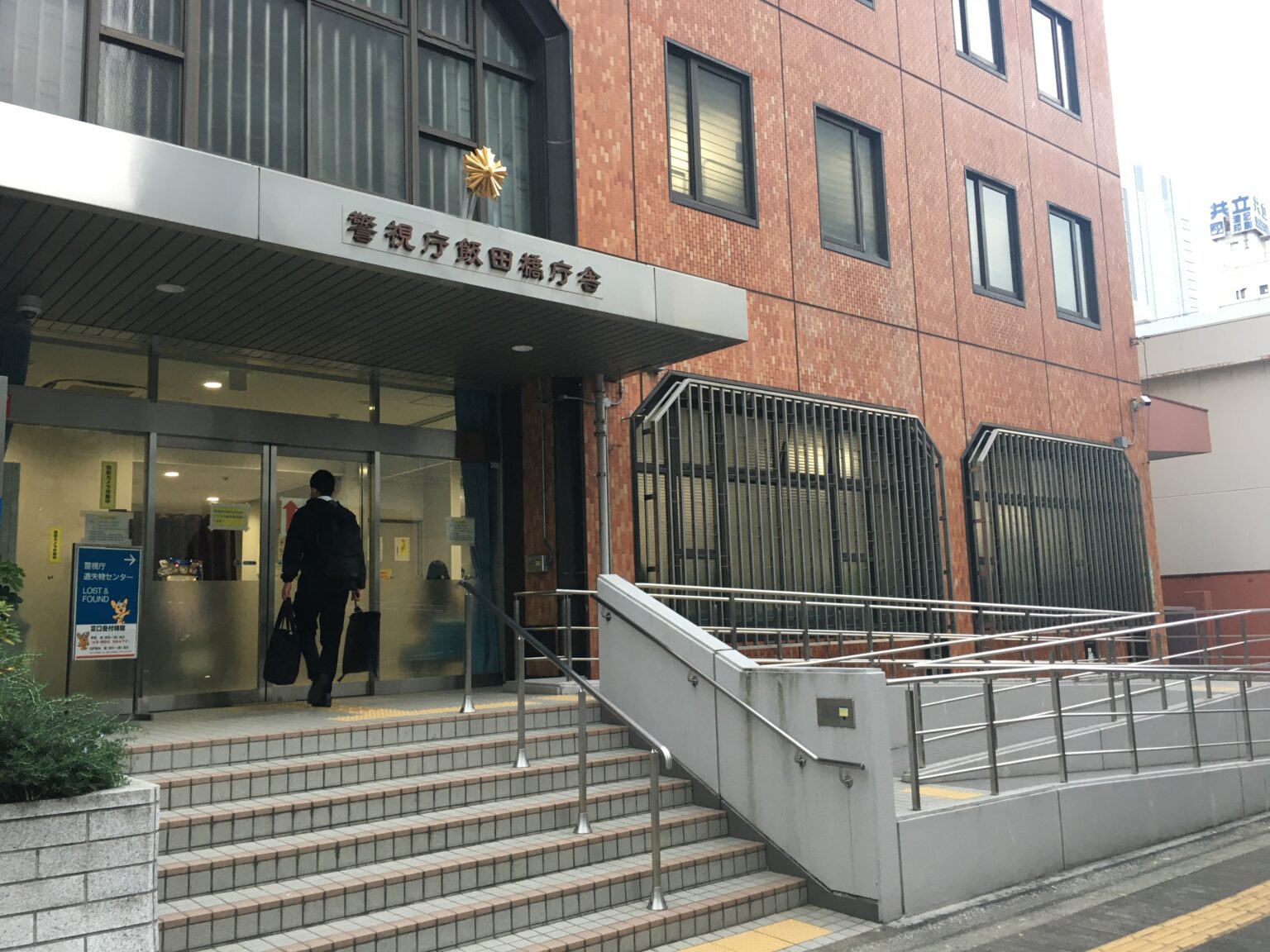
A lost-property center may sound like a quiet back office, but think about the sheer variety of its contents: phones without owners, folded jackets, single gloves, expensive cameras, inexpensive umbrellas and wallets containing things a stranger should never need to see.
Every item arrives with a short mystery attached to it. Where did its owner go? Which details can help identify it? Does it belong at the station, with the police, or with the business where it was discovered?
Station staff and police officers rarely appear in the cheerful version of the returned-wallet story. Neither do the workers who label and sort objects or answer repetitive questions on busy days.
Without those people, a helpful action on the street would often end with a bag of unrelated belongings in someone’s storeroom.
Institutions are made of people, and this one depends on a great deal of patient, routine work.
11. Trust Is More Useful When It Has an Address
There is an emotional reason these stories resonate. Finding your missing wallet can feel like discovering that a stranger was looking after a tiny piece of your life.
That feeling is real even when the exchange happens through an impersonal receipt number or a station counter.
But trust becomes especially useful when it has a place to go. A station office, a police box and a publicly explained claims process turn the impulse to help into something an owner can actually benefit from.
This does not make Japan unique in having lost-and-found offices, honest finders or legal rules. Many countries do. Nor should one city’s figures be treated as proof of a uniform national character.
Japan’s distinctive appeal, for a visitor observing daily life, is how visible this chain of action can be: the small neighborhood kōban, the station sign for lost property, the familiar instruction to hand in what somebody has dropped.
12. A Small Object, a Larger Story
Return to the commuter who discovered an empty pocket just after the train doors closed.
Perhaps the wallet never comes back. Perhaps it is found under a seat but takes several days to trace. Or perhaps the owner visits a station counter, answers a few questions, and receives an ordinary object that suddenly feels extraordinary.
There is no need to invent the ending. The interesting part is the possibility—and the labor behind it.
The remarkable thing about Japan’s lost-and-found culture is not that nothing ever goes missing. It is that the path back to an owner is visible enough for a stranger to take the first step.
Frequently Asked Questions
Are lost wallets always returned in Japan?
No. Tokyo’s statistics show that many wallets handled by the police are returned, but they do not show that all lost wallets are found or that every recovered wallet is intact.
What is a kōban?
A kōban is a small neighborhood police post. People can ask for help, report lost items or hand in property found in public areas.
How long do Japanese police keep found property?
Generally, a found item is subject to a three-month claim period under the Lost Property Act. Certain items and situations have special rules. Ask the relevant police office for current instructions.
Can the person who finds my wallet ask for a reward?
In certain circumstances, Japanese law allows a finder to request a reward, subject to conditions. Not every finder requests one.
What should I do if I leave something on a Tokyo train?
Contact the railway operator promptly and follow its lost-property guidance. Items can move from station storage to a lost-and-found center and then to the police.
Can foreign visitors search for their lost items?
Yes, visitors can report losses and inquire with stations, businesses and police. Some online search services may only be available in Japanese, and overseas collection arrangements can be complicated.
Sources and Further Reading
The statistics below refer to 2025 operations in Tokyo, not a nationwide rate of recovery. The opening commuter scene is illustrative; it is not a reported individual case.
- Tokyo Metropolitan Police Department — Lost Property Handling Status, 2025 (Japanese). Published March 2026; source of the processed-wallet, phone and umbrella figures.
- Tokyo Metropolitan Police Department — English Lost and Found Guide. Instructions for reporting, searching and collecting lost property.
- Tokyo Metropolitan Police Department — How Long Do You Keep Found Property?. Three-month legal period and exceptions.
- National Police Agency — What to Do if You Find Lost Property (Japanese). Procedures, notification periods and reward rights.
- JR East — Lost Property Guide. Registration of found property and customer inquiry options.
- Tokyo Metro — Lost & Found. Station inquiries, lost-and-found centers and transfers.
- Tokyo Metropolitan Government — Lost & Found Property System. Overview of local handling and storage processes.
Editorial note: These figures count items handled or processed in Tokyo’s lost-property system, not everything lost by residents or tourists. Rates for one type of item must not be generalized to all Japan. Service hours, storage procedures and contact routes can change; direct readers to the responsible operator or police agency for current assistance.







Comments