Culture & Traditions · Growing Up in Japan
Shichi-Go-San: Why Japanese Families Celebrate Ages Three, Five and Seven
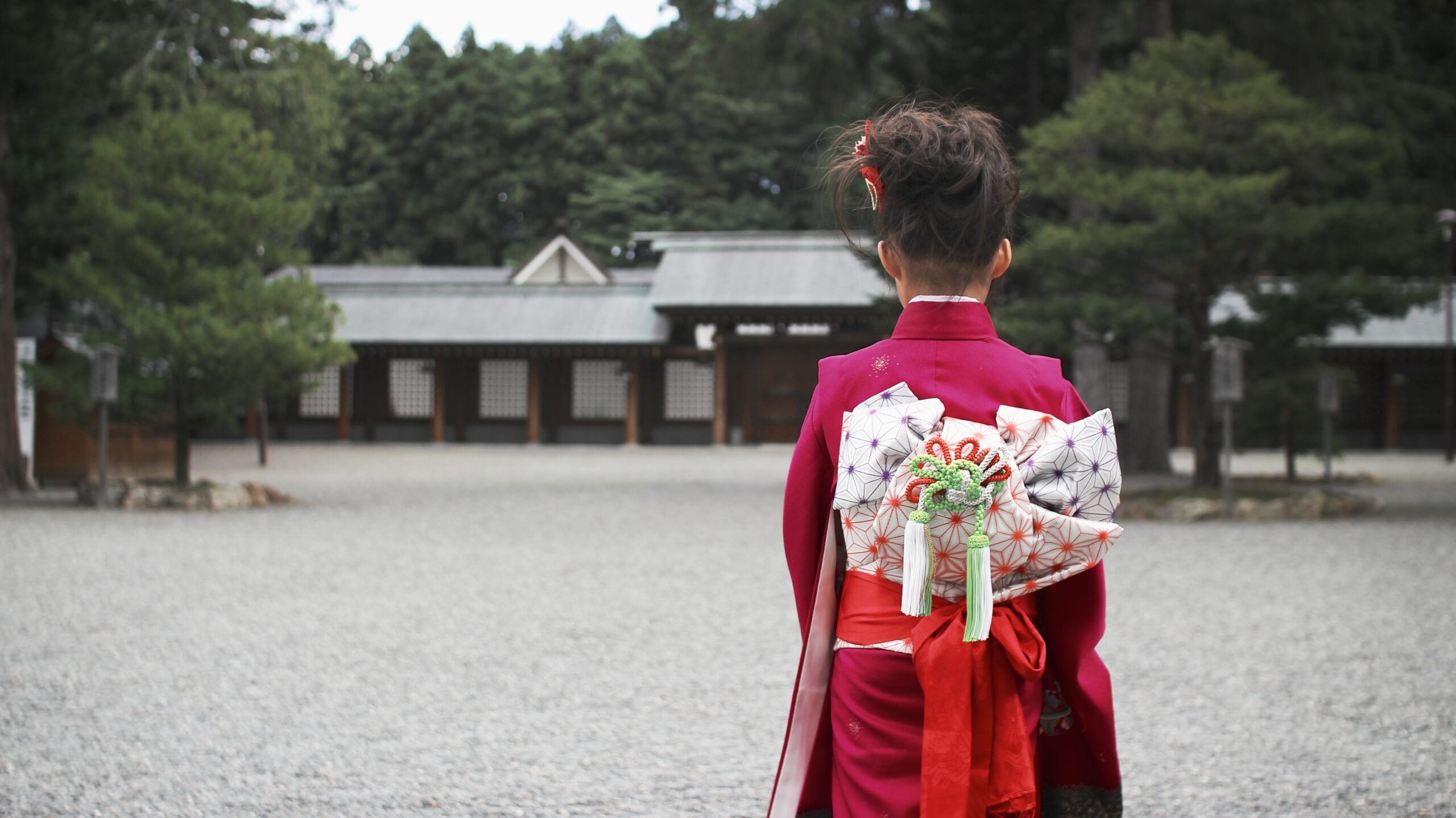
Behind the little kimonos and family photographs is a simple wish: may this child keep growing, safely and happily.
LAYERS OF JAPAN · 7 minute read
On an autumn morning, a small child stands outside a Japanese shrine in clothes that feel very different from everyday life. The sleeves are longer, the shoes less familiar, and the adults keep stopping to straighten something. There may be grandparents waiting for a photograph, a parent checking the time, and a child who would rather run across the gravel.
To someone visiting Japan, it can look like a miniature formal wedding. It is actually a celebration of growing up. Its name is Shichi-Go-San (七五三): seven, five, three.
These numbers have a particular place in Japanese family life. The ceremony is a chance to give thanks that a child has reached another milestone and to wish for the years still ahead.
Why Three, Five and Seven?
The usual explanation is that girls celebrate at three and seven, while boys celebrate at three and five. Some shrines and families follow different combinations, especially for three-year-old boys, and the details have varied across places and periods. It is better to think of these as traditional milestones than as a universal rule for every Japanese child.
The ages are connected to older rites of passage. Kamioki, associated with around age three, marked the stage when a young child could begin growing their hair. Hakamagi, linked to age five, involved a child’s first formal hakama. Obitoki, associated with age seven, marked a change from the simple ties of a small child’s kimono to a more grown-up obi sash.
The old practices were not identical across all of Japan, nor were they always divided by gender in the same way. But the shared idea is recognizable: childhood unfolds in stages, and reaching the next one deserves to be noticed.
A Celebration Born from Gratitude
Today, a family may focus on the colors of the kimono, the photographs, or getting everyone together. The emotional core of the occasion is older.
In earlier centuries, children’s survival could not be taken for granted. Reaching a new stage of childhood mattered. Families expressed gratitude for the growth already achieved, even as they prayed for good health and protection in the future.
That is why Shichi-Go-San is more than a birthday party. It is both a thank-you and a hope. The child may not understand the distinction yet, but the adults often do.
What Happens at the Shrine?
Many families visit a Shinto shrine in their neighborhood or one with a family connection. They may offer a simple prayer, and some arrange a formal blessing, called a gokitō, with a priest. A formal service is not essential to every family’s celebration.
There can be a great deal happening around the quiet ritual: relatives arriving from different places, photographs under the trees, a quick adjustment to a collar, and the practical challenge of keeping a three-year-old comfortable. Some families have a meal together afterwards; others prefer a shorter outing.
At the heart of the visit is not the photograph but the intention behind it: gratitude for the child standing there today.
The Clothes Are Beautiful. The Day Is Not Always Perfect.
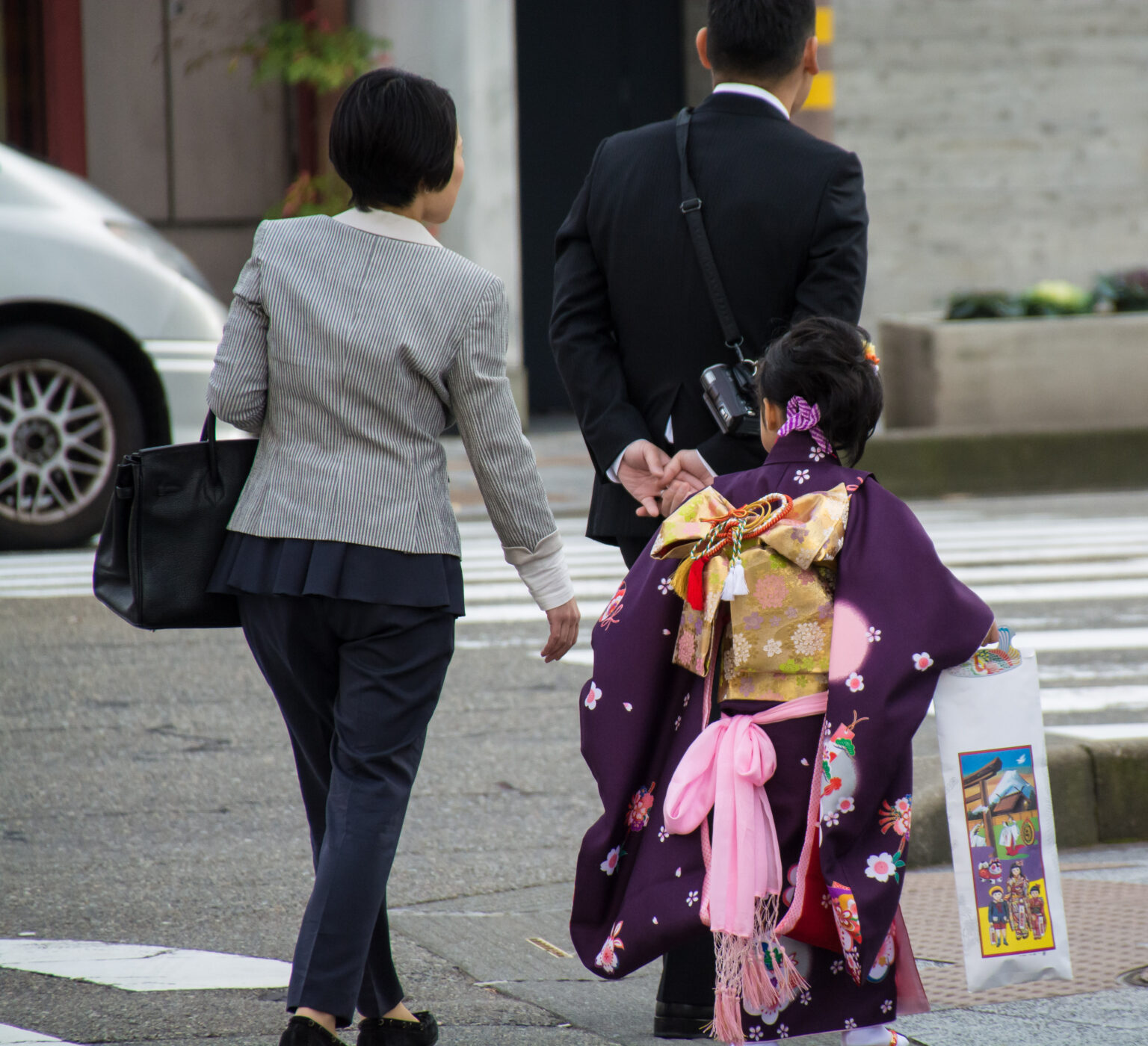
Shichi-Go-San is one of the occasions when traditional Japanese clothing becomes part of ordinary family life. Children may wear kimono, sometimes with a hifu vest for younger girls, or a haori jacket and hakama for boys. Formal Western-style clothes are another option.
Some outfits are family heirlooms. Others are borrowed, rented, or selected through a photography studio. Hair styling, dressing appointments, professional portraits, and grandparents joining for lunch can turn the day into quite a production.
Yet the picture-perfect result can hide the ordinary side of being a family. A child gets tired, a sandal pinches, someone forgets a bag, or rain changes the plan. Parents may want one beautiful photograph and end up remembering the funny face made just before the shutter clicked.
There is no single correct level of ceremony or expense. For one household it may be a major gathering; for another, a brief shrine visit and a family photograph are enough.
Why November 15? And Why Do Families Choose Other Days?
November 15 is the date traditionally associated with Shichi-Go-San. But the calendar has always been more flexible in practice than the date alone suggests. Many families now choose a weekend in October or November, or another convenient date, depending on the shrine, school, travel plans, and weather.
The ages can be flexible too. Traditional Japanese age counting, known as kazoedoshi, counts a baby as one at birth and adds a year each New Year. Many modern families use a child’s actual age instead. Some celebrate with siblings together.
That flexibility is revealing. A tradition stays part of family life not because every detail remains fixed, but because its meaning still feels worth keeping.
Chitose-Ame: A Sweet Wish for a Long Life
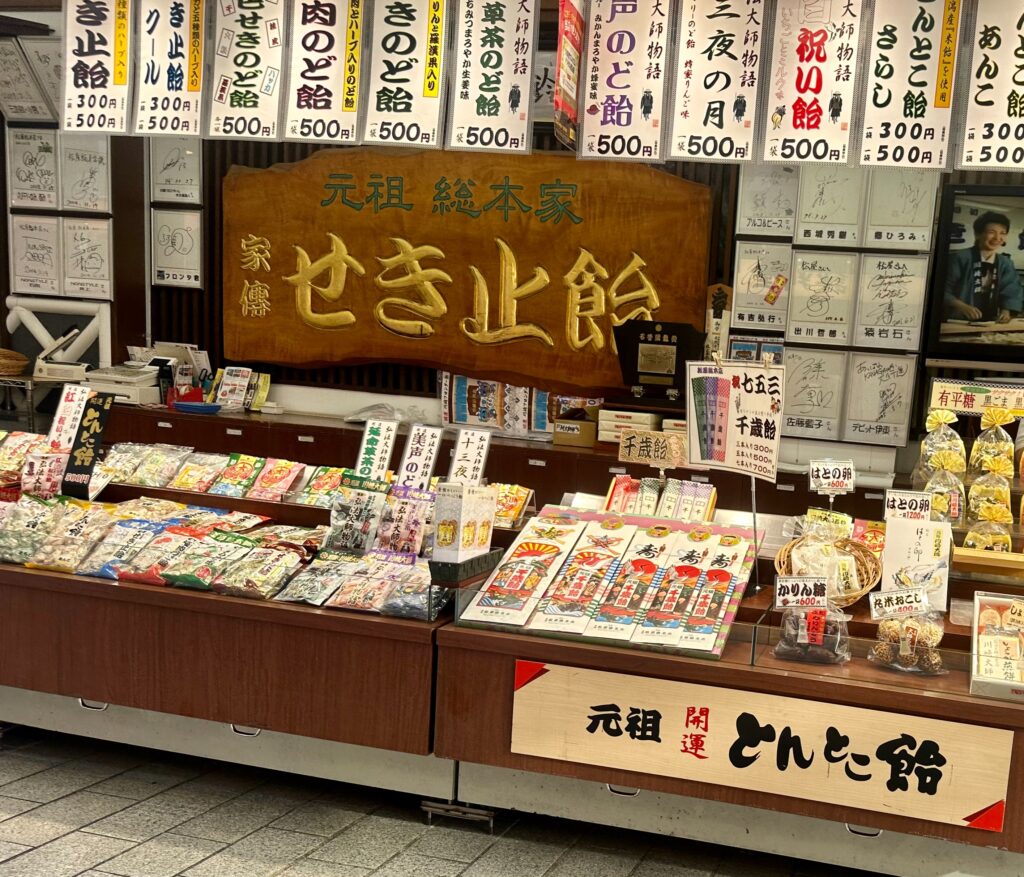
One of the most recognizable details of the day is chitose-ame (千歳飴), literally “thousand-year candy.” These long, slender sweets are often associated with wishes for longevity. The decorative bags may carry auspicious imagery, and a child holding one can be an unmistakable Shichi-Go-San sight.
The candy is not an elaborate ritual object. It is something a child can hold, take home, and perhaps begin eating on the way. But it expresses a remarkably large wish in a very small form: a long, healthy life.
A Family Tradition in a Changing Japan
Modern Japan has changed the practical shape of the celebration. Working parents may have little room to choose a weekday. Families may live far from grandparents. A photography studio may offer a package that makes the day easier, while some parents would rather avoid the cost and organize everything themselves.
These choices do not make the occasion less meaningful. In fact, they reveal something that is easy to miss from the outside. Japanese traditions are not separate from modern life; people adapt them to the households they actually have.
A family with a busy calendar, a child with a strong dislike of formal clothes, or relatives who cannot travel may celebrate in a way that looks different from the classic picture. The purpose can still be the same.
In this respect, Shichi-Go-San belongs alongside other everyday customs we explore at LAYERS OF JAPAN: the relationships behind omiyage, and the way communities pass traditions along in local festivals.
What a Visitor May Notice
If you visit a Japanese shrine in autumn, you may see children dressed for Shichi-Go-San, with adults carrying cameras or adjusting kimono sleeves. The scene is lovely, but it is a family occasion rather than a performance arranged for visitors. Give families space, respect restrictions on photography, and ask permission before photographing children.
There is something quietly powerful about this custom. It asks adults to notice what is easy to overlook in everyday life: the small child of yesterday is not quite the same child today.
The clothes will eventually be put away. The candy bag will be folded or thrown out. Years later, a photograph may be the only thing left that shows exactly how tall the child stood beside the shrine gate.
Shichi-Go-San is a celebration of three small numbers—and the enormous feeling of watching someone grow.
Shichi-Go-San: Quick Questions
Is November 15 a national holiday?
No. It is a traditional observance, not a national public holiday.
Must the ceremony take place exactly on November 15?
No. Many families choose a nearby weekend or another suitable date, and shrines have their own schedules.
Does every Japanese family celebrate it?
No. Customs, religion, budgets, and household preferences vary. It is a familiar tradition, not a requirement.
Sources & Further Reading
Kokugakuin University, Encyclopedia of Shinto — “Shichigosan”. Historical rites and regional variation.
Japan Search — “Shichi-Go-San”. Cultural history and the transition from traditional to modern age counting.
Meiji Jingu — Rites of Life. Shrine description of the observance.
Tokyo Daijingu — Shichi-Go-San Q&A. An example of modern scheduling, prayer and photography arrangements.
Editorial note: The opening vignette is illustrative rather than an account of a particular family. Practices vary by region, shrine and household. Documentary photographs were taken in 2015 and 2024 and should not be taken as current views of those places.