Otome Road in Ikebukuro: The Tokyo Streets Built by Anime Fans
Across the east side of Ikebukuro, generations of fans have helped shape a district of manga, character goods and self-published stories. Discover the history behind Otome Road and Tokyo’s largest anime shopping landmark.
8 MIN READ
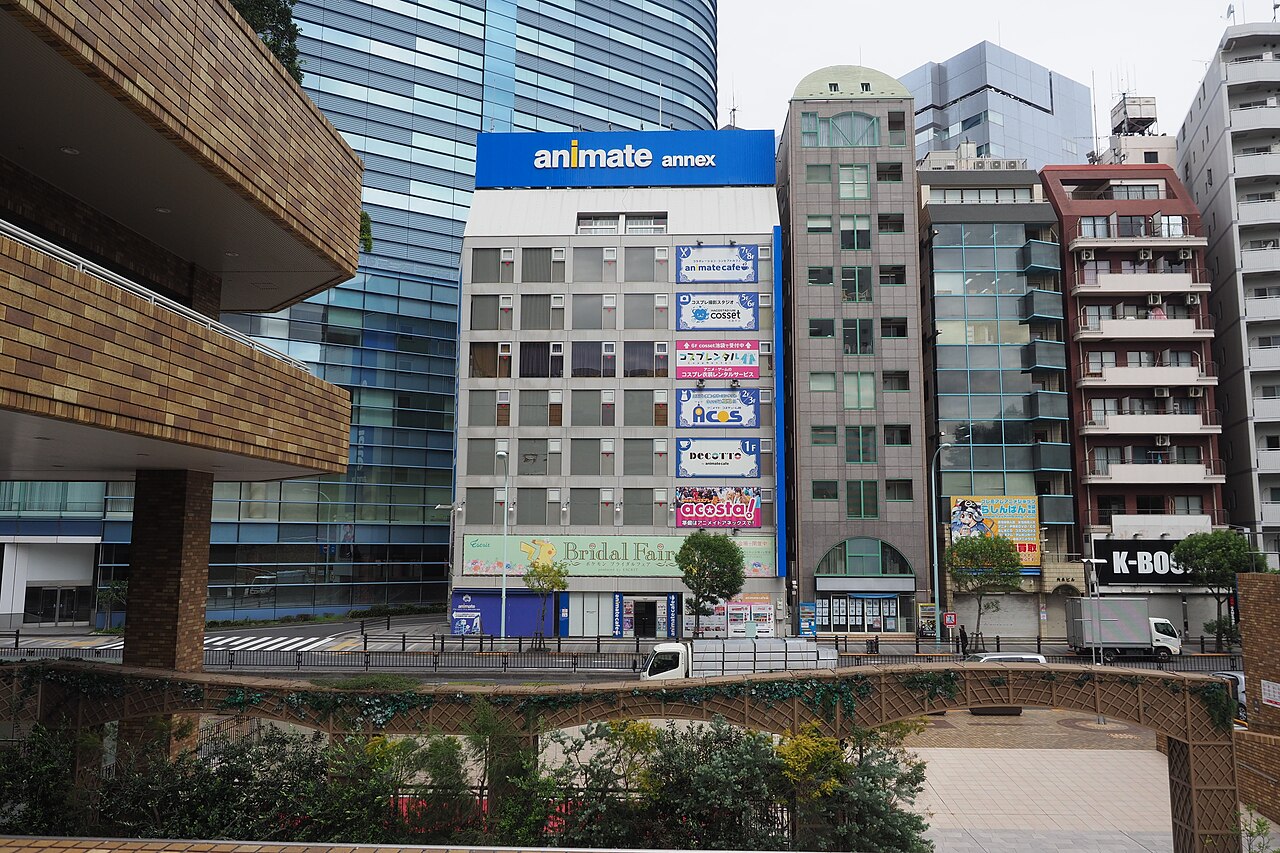
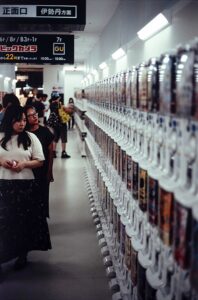
Photo: othree / Wikimedia Commons · CC BY 2.0. Resized by Wikimedia Commons; uncropped. Individual tenants may have changed.
An entire shelf is devoted to one fictional character. A few steps away, another shop offers self-published comics, collectible badges and items that were once sold only at a special event. People move patiently through the displays, looking for something that means far more to them than an ordinary souvenir.
This is one of the many faces of Ikebukuro, a major shopping and transport district in northern Tokyo. Visitors often come here because they have heard of Otome Road, a cluster of stores historically associated with women who love anime, manga, games and related creative communities. But there is a wider story behind the nickname: how readers and collectors turned ordinary city blocks into a place that feels like their own.1
Otome Road is a real street, not a theme park
The Japanese word otome literally suggests a young woman or maiden. In this context it refers to a fan culture shaped in important ways by women, not a rule about who may enter. The road lies on the west side of the Sunshine 60 building in eastern Ikebukuro, with specialist shops on and near its approximately 200-metre stretch.2
It is a working neighbourhood, not a gated attraction or a shopping mall with a ticket desk. Offices, ordinary streets and larger commercial buildings surround the stores. Some shops specialize in products connected to female-oriented games and comics, while others serve many kinds of fans.
The meaning of Otome Road has also spread beyond one physical block. People may use the name loosely for the wider anime shopping area between Ikebukuro Station and Sunshine City. For accurate navigation, distinguish the historic street itself from the larger surrounding fan district.
What makes the fandom here distinctive?
Several terms help explain the merchandise and stories you may find. Shōjo manga is a broad category historically marketed to girls and young women. Otome games often focus on stories and relationships in which the player takes part. Boys’ love, or BL, describes stories of romantic relationships between male characters, frequently created and enjoyed by women but not exclusively so.3
These labels are not interchangeable. A bookshop may carry all three, yet they refer to different storytelling traditions and readerships. Understanding that difference is part of treating fan culture as a creative field rather than reducing it to a single aesthetic.
Another important word is dōjinshi, which usually refers to self-published books, comics or other works, including both original creations and fan works. Their presence gives this area a connection to people who are not simply customers: they can also be writers, artists and small-scale publishers.
Women fans have not been absent from Japan’s wider otaku culture. The importance of Otome Road lies in the visibility and commercial spaces created for their interests, which became especially prominent as the neighbourhood developed.1
Animate began in Ikebukuro
One of the district’s major landmarks is animate Ikebukuro Flagship Store. Animate’s first shop opened in Ikebukuro in 1983. What began as a specialist retail concept grew into a major chain, while Ikebukuro remained closely associated with its history.4
The current flagship building was expanded and reopened in March 2023, combining extensive retail space with facilities for exhibitions and performance. In 2024, Guinness World Records recognized it as the world’s largest anime shop, with a recorded area of 8,554.673 square metres.5
It is worth making one geographical distinction: the flagship store is not on the historic Otome Road block. It stands nearer the Hareza Ikebukuro area, about a five-minute walk from Ikebukuro Station’s East Exit. The larger anime district has grown across multiple streets, so a visit to both places is easy but they should not be confused.6
The store’s official English page lists regular hours of 10:00 a.m. to 9:00 p.m. as of November 2026. Events, entry restrictions and shop tenants change, so confirm details before a special trip.6
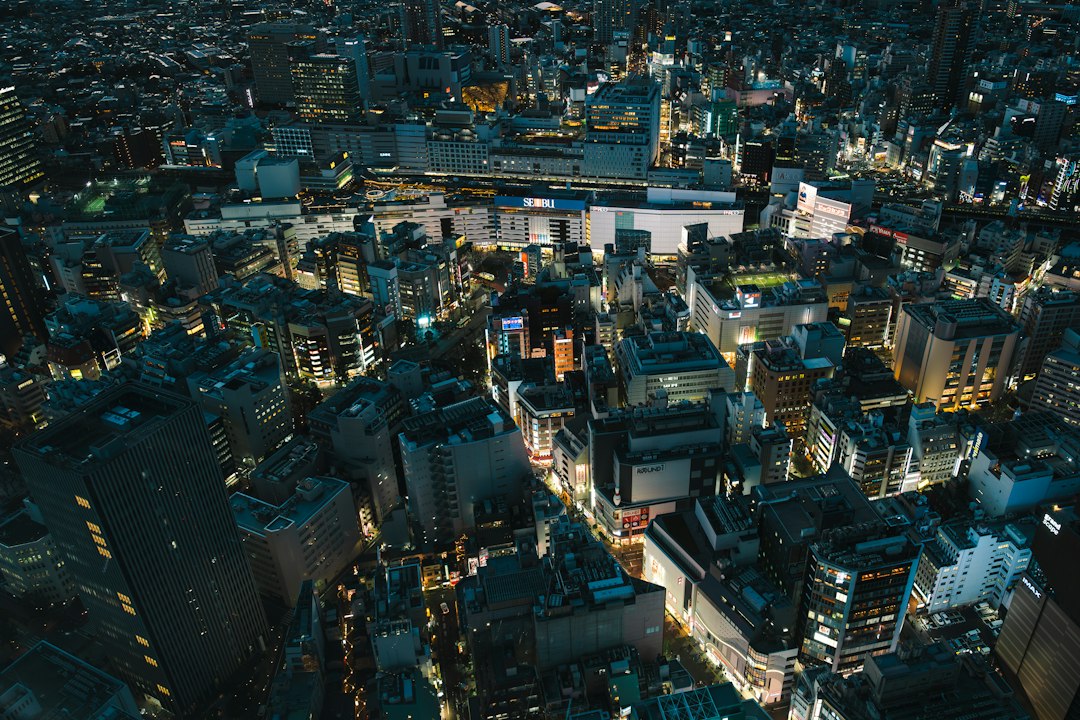
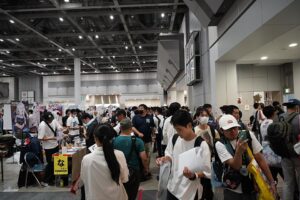
Photo: taro ohtani / Unsplash.
Why independent shops still matter
Big stores make the district easier for newcomers to discover, but smaller specialist businesses help explain its character. Shops associated with names such as K-BOOKS have served collectors interested in particular genres, characters and second-hand goods. Even within one brand, different branches may specialize in different products.
A badge from a collaboration event, a booklet published by fans, or a particular edition of a character item can have more meaning to a collector than a mass-market souvenir. Prices depend on availability, condition, popularity and whether packaging is complete. Before buying, check the product label, any age guidance and the store’s return policy.
Shop locations and specializations change frequently in this neighborhood. The most useful reference is the Toshima City Ikebukuro Otome Map together with each store’s current official website, rather than an old numbered walking itinerary.
Fan creativity goes beyond merchandise
Ikebukuro has become closely associated with performance and public cultural events as well as shopping. The nearby Hareza Ikebukuro district includes theatres, cinema and public spaces. Pop culture is not confined to the checkout line: it is experienced through live performances, exhibitions and the conversations people have with fellow fans.
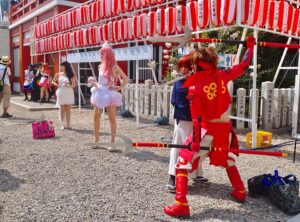
Costumes and fan gatherings occasionally bring that creativity into public view. If you encounter a cosplayer or someone dressed for an event, remember that an imaginative outfit is not automatic permission to photograph the person. Ask first and respect whatever answer you receive.
Rather than thinking of Ikebukuro as a place with one audience, see it as a district where different communities overlap. Manga readers, theatre visitors, shoppers, students and workers share the same streets. That mixture is part of its atmosphere.
A different story from Akihabara
There is a reason Ikebukuro and Akihabara are often compared, but the comparison works best as an invitation to explore rather than a contest. Akihabara grew out of electronics and specialist technology retail before its extensive anime and game shopping scene developed. Ikebukuro’s anime identity became especially associated with women fans and the networks of shops serving their interests.1
Today, neither district belongs to one gender or one kind of hobby. Both contain general-interest stores and a wide range of visitors. What differs is their history and the particular ways fan communities became visible in the city.
For Akihabara’s contrasting story, see Akihabara: How Tokyo’s Electric Town Became an Anime Wonderland.
Look across town: the Global Ring
If you have time after shopping, the west side of Ikebukuro provides a contrasting urban scene. Ikebukuro West Gate Park has the Global Ring, a circular outdoor performance structure that frames an open public space. It offers a glimpse of the city’s broader ambitions for arts and walkable public life.7
The shift is striking. Within a relatively compact station district, you can move from busy anime shops to an outdoor urban theatre. Ikebukuro’s identity includes both the small, intensely personal world of fandom and the big, shared spaces of a major Tokyo subcentre.
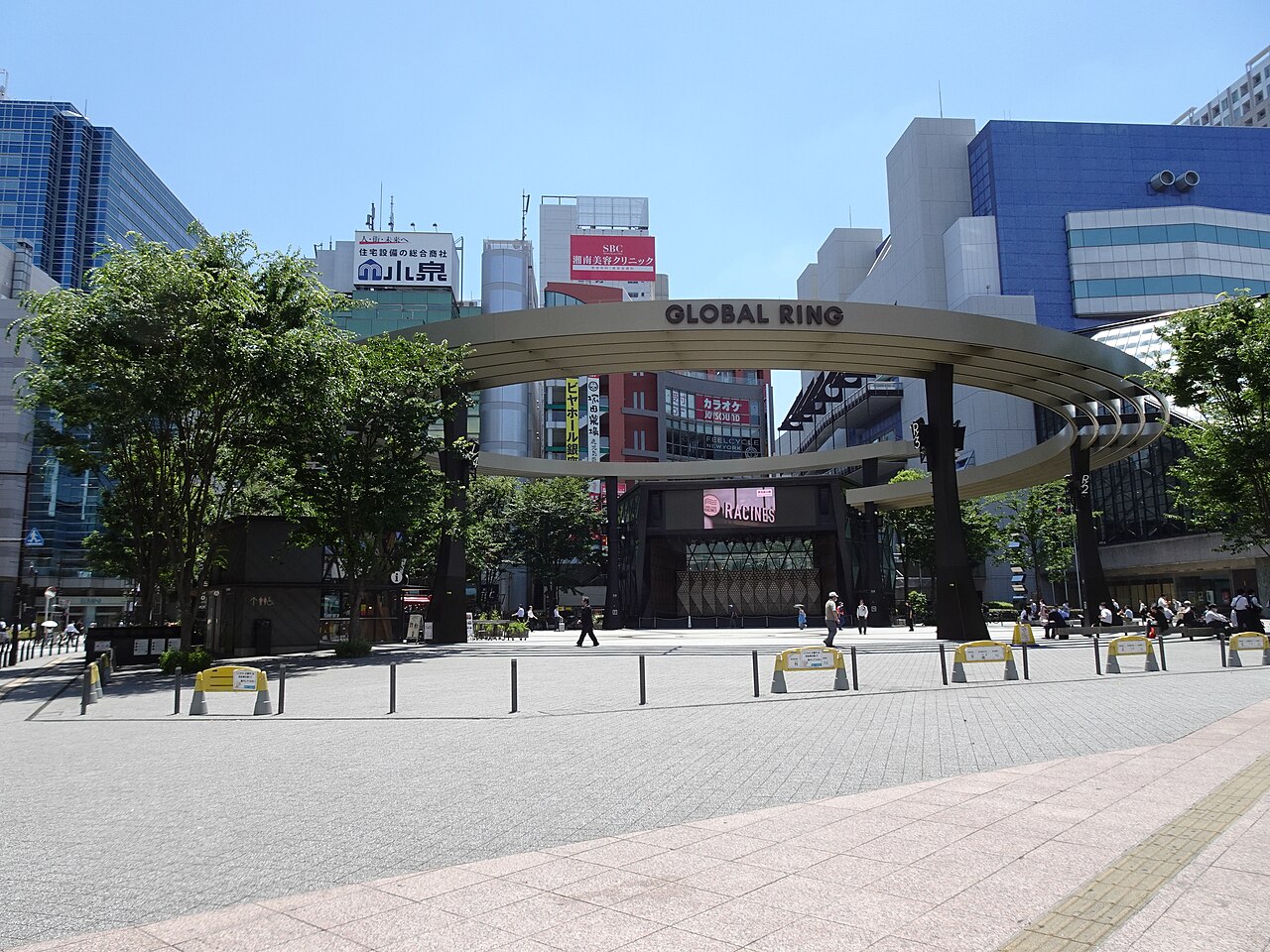
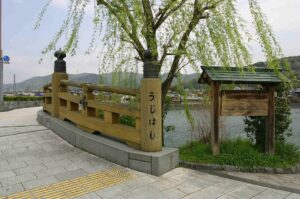
Photo: RuinDig / Yuki Uchida / Wikimedia Commons · CC BY 4.0. Wikimedia Commons resized version, uncropped.
A gentle first-time walking route
There is no reason to try every specialist shop in one visit. Choose a small number of experiences that suit your interests, then give yourself permission to browse slowly.
- Start at Ikebukuro Station’s East Exit. Look at the surrounding shopping streets and get your bearings before heading into smaller lanes.
- Visit animate Ikebukuro Flagship Store. Allow time to explore selected floors; check the official event calendar if you hope to attend an exhibition or special programme.
- Walk towards the Otome Road area. Use the current Toshima City map to find the historic street and nearby second-hand specialist shops.
- Browse by interest rather than by shop count. Compare books, collectibles or dōjinshi where appropriate; read age labels and ask staff if you are uncertain.
- Take a break in the wider district. Have a meal or visit a cultural venue around Hareza Ikebukuro. If you have more time, cross the station to the Global Ring on the west side.
Allow three to four hours if shopping is your main aim; a half day works well when you add a meal or exhibition. Walking on public streets is free, but purchases, ticketed exhibitions and special events have their own prices.
Questions before you go
Is Otome Road only for women?
No. Its historical association is with fandom shaped by women, but anyone can visit the public street and its shops. Treat it as a neighbourhood with a cultural identity, not a restricted space.
Is the animate flagship actually on Otome Road?
No. The flagship is at 1-20-7 Higashi-Ikebukuro, closer to Hareza Ikebukuro. The historic Otome Road runs beside Sunshine 60. Both are on the east side of the station, but they are different locations.
Do I need tickets to visit Otome Road?
No. The street and most retail shops can be browsed without an admission ticket. Exhibitions, theatres, cafés and other special activities may charge admission or require reservations.
What are the flagship store hours?
Animate’s official English store page lists 10 a.m. to 9 p.m. as its normal opening hours in November 2026. Check official information when planning around an event or a particular holiday.
Is Ikebukuro different from Akihabara?
Yes, although both welcome fans of many interests. Akihabara’s story grew from electronics and technology retail. Ikebukuro became particularly prominent for women-oriented manga, games and fan shopping, alongside a much wider cultural scene.
A city made visible by its fans
Otome Road is not impressive because its buildings are enormous or its architecture is uniform. It matters because people returned again and again for the stories they loved, creating enough demand for specialist shops and creative venues to take root.
That is a different way of understanding Tokyo. A community of readers, collectors and creators can gradually shape the identity of an ordinary city street. Look closely at Ikebukuro, and the people behind its fandom become part of the landscape.
Sources and further reading
- GO TOKYO: Ikebukuro — district background and anime culture.
- Go Ikebukuro: Otome Road — the historic street’s location and relationship with the Animate flagship.
- Japan National Tourism Organization: Ikebukuro — shopping culture, otome fandom and visitor context.
- Guinness World Records: World’s Largest Anime Shop — Animate history, size and recognition in 2024.
- Guinness World Records: Animate Flagship Details — floor area and 2023 renewal.
- Animate: Ikebukuro Flagship Official Shop Page — current location and hours, checked November 2026.
- GO TOKYO: Ikebukuro West Gate Park — urban cultural space and Global Ring.
Store tenants, exhibitions, trading hours and events change. Consult current official listings and the Toshima City Otome Map before travelling.






Comments