Anime & Fandom · Places behind the stories
Anime Pilgrimage in Japan: When Fiction Leads to Real Places
A railway station in Hida. A bridge in Chichibu. How familiar scenes can become the beginning of an unfamiliar journey.
CULTURE & TRAVEL · 5 MIN READ
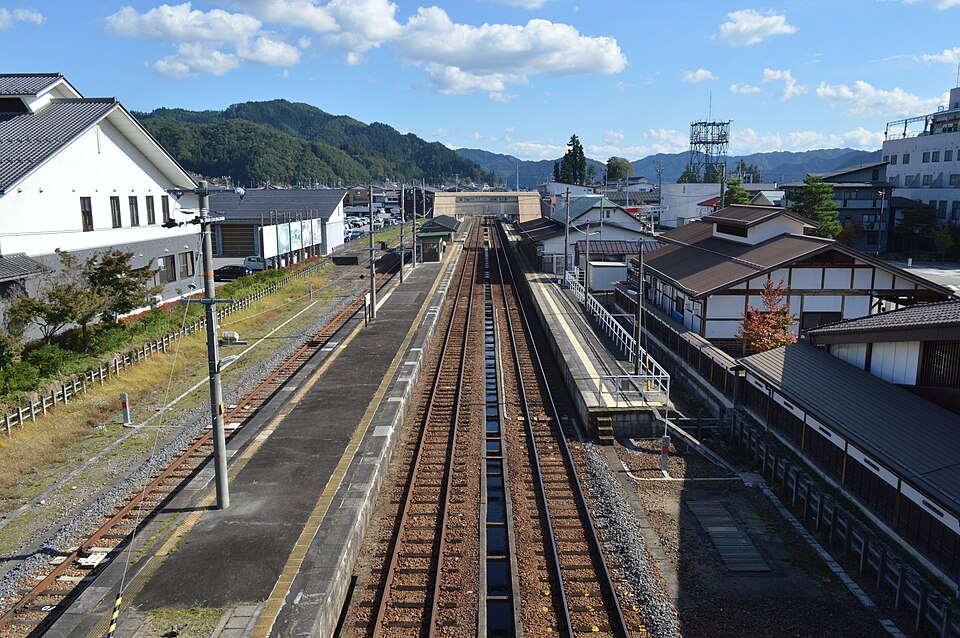
Why would someone travel to a railway station simply to look down at the tracks?
For a fan of Your Name, the view near Hida-Furukawa Station can hold a particular meaning. Hida City identifies the station and its nearby overpass among the real places associated with the 2016 film. A practical piece of railway infrastructure becomes something a visitor recognises before ever arriving.2
This is the appeal of anime pilgrimage: the moment a remembered image meets a place with weather, distance, noise and people of its own.
What is anime pilgrimage?
Often called seichi junrei (聖地巡礼) in Japanese, anime pilgrimage means visiting real places connected with a favourite work. The phrase borrows the language of pilgrimage to sacred sites; in this context, the connection comes through a story and its fans. Japan’s national tourism organisation describes journeys that can lead to ordinary streets and regional towns as well as famous destinations.17
The attraction can be wonderfully specific. You may want to recognise a bend in the road, compare a view with a scene, or understand the distance between two places. A location that barely registers on a conventional sightseeing itinerary can become the reason for making the trip.
Hida: following Your Name beyond the station
Hida-Furukawa is in Gifu Prefecture, in central Japan. Its station serves the JR Takayama Main Line and sits close to the old town. Hida City’s English-language anime itinerary begins here, then introduces places including Keta Wakamiya Shrine and Hida City Library.23
The itinerary also includes the white-walled storehouse district and local craft experiences. That is a useful approach to the day: let the film provide your starting point, then make room for things that interest you about Hida itself. The official route mixes anime connections with broader sightseeing, so inclusion on it does not automatically mean that every stop appears on screen.3
One small detail says a great deal about this kind of travel. Hida City Library welcomes visitors, but its tourism listing asks people to obtain permission at the front desk before taking photographs inside. Someone else may be reading or studying a few steps away.4
Chichibu: an ongoing connection with Anohana
In Saitama Prefecture, Chichibu offers another example. The city was a model for the setting of Anohana: The Flower We Saw That Day, which first aired in 2011. Its official tourism website continues to share anime-related information, including celebrations of the series’ fifteenth anniversary in 2026.5
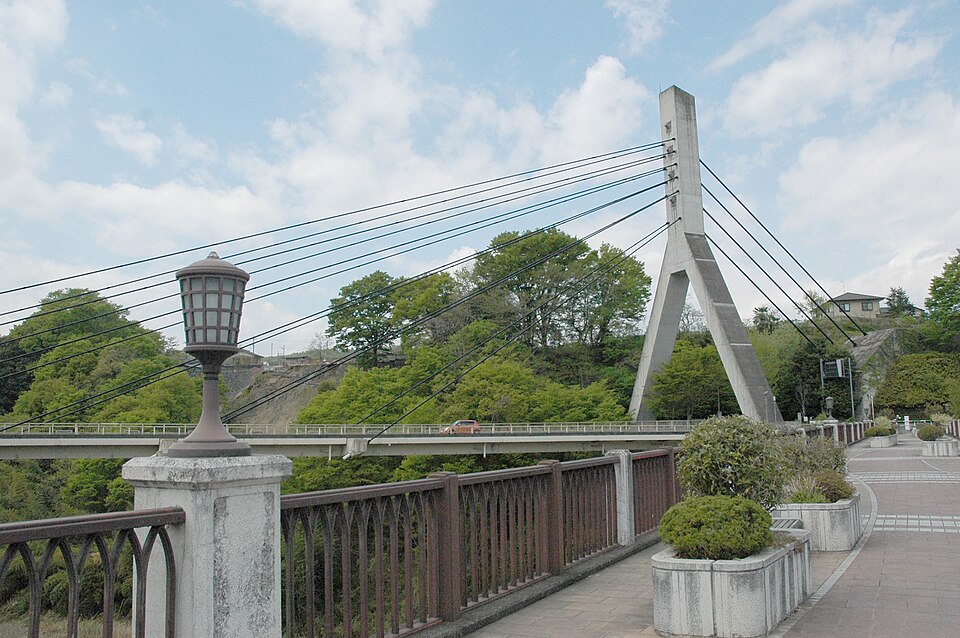
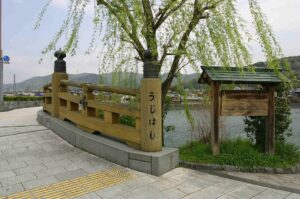
Seibu Railway’s published pilgrimage route connects locations such as Jorinji Temple and the old Chichibu Bridge. The bridge, completed in 1931, appears in the series and its promotional imagery. It also has a history that began many decades before the anime.6
Consider looking at it in both ways. First, notice the view you recognise. Then look at the river, the neighbouring bridge and the surrounding town. The pleasure of recognition can open into curiosity about a place you might otherwise have passed by.
When the real place has changed
A visit may reveal differences from the scene you remember. Seibu Railway notes that Seibu-Chichibu Station was renovated in 2017, changing its appearance after its depiction in Anohana.6
That difference is part of the encounter. The screen preserves a particular version of a place, while the actual town keeps being used and rebuilt. Check the dates on location guides and photographs. Treat them as help with recognising a setting, rather than a guarantee that every detail is still there.
A favourite scene is also someone’s neighbourhood
The Your Name production committee has published a request for considerate visits after receiving complaints about noise and visits early in the morning or late at night. Its message asks fans to respect residents’ privacy and property.7
In practice, leave entrances and pavements clear, keep voices low near homes, and follow signs and staff instructions. Stay out of private property and railway areas. If reproducing a camera angle would mean obstructing traffic or intruding on someone’s space, choose another view.
A local café, shop or lunch stop can also become part of the visit. Buying something you actually want gives you an encounter with the town beyond a photograph. Ask before taking pictures inside businesses, especially when other customers are present.
Plan a small first pilgrimage
Choose one work and a manageable cluster of locations. Hida and Chichibu are examples in different regions, rather than stops to squeeze into the same day.
- Start with local information. Use the official tourism links below to check locations, access and visitor guidance.
- Check the journey home. Look up current train and bus timetables before building your route around several photo stops.
- Leave space between scenes. Allow time for lunch, a detour or simply watching the town go about its day.
You might arrive with one image in mind and leave remembering something the anime never showed: a shopkeeper’s recommendation, the sound of a river, or the route back to the station. Those details become your own connection to the place.
Sources & image notes
- Japan National Tourism Organization, Japan’s Anime Locations Entice Fans Beyond the Golden Route, 29 June 2026.
- Hida City, Hida-Furukawa Station: location and its association with Your Name.
- Hida City, 1-Day Anime Tour of Hida: an English-language route combining anime connections and local sightseeing.
- Hida City, Hida City Library: visitor information and photography permission.
- Chichibu City, official anime tourism information (Japanese), updated 4 September 2026.
- Seibu Railway, an Anohana pilgrimage route through Chichibu (Japanese), updated 24 July 2024. Refer to current operator information for transport and opening times.
- Your Name production committee, request to fans visiting related locations (Japanese, English and Chinese).
Sources checked on 24 October 2026. Photographs show the real locations in 2016 and 2011; they are not anime stills or images of current visitor conditions. Credits and licences appear beneath each photograph.





Comments