Performing Arts · Culture essay · 9 minute read
The Unreachable Beauty of Takarazuka’s Otokoyaku
Why Japan’s most dazzling stage stars can leave the deepest ache.
LAYERS OF JAPAN
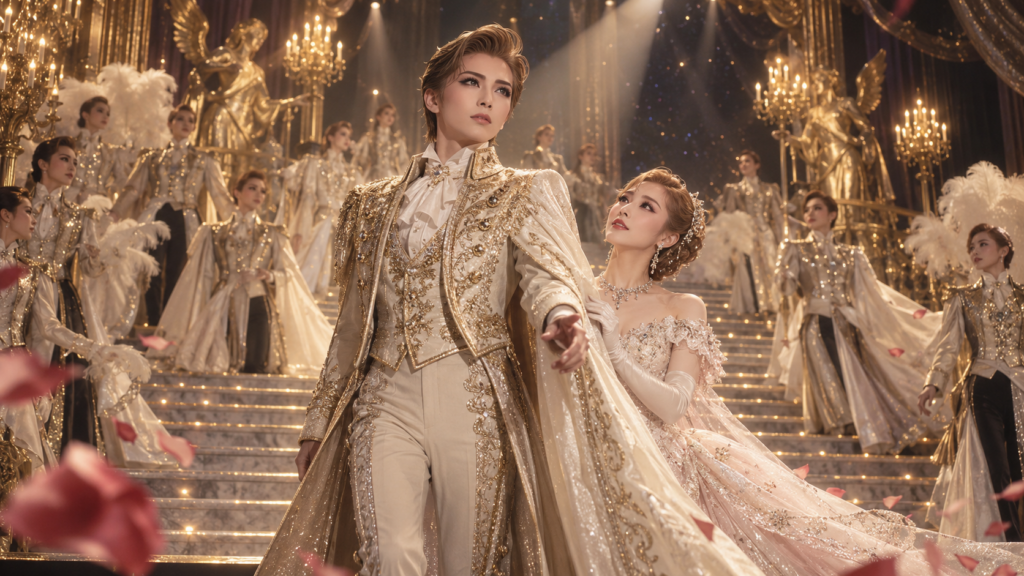
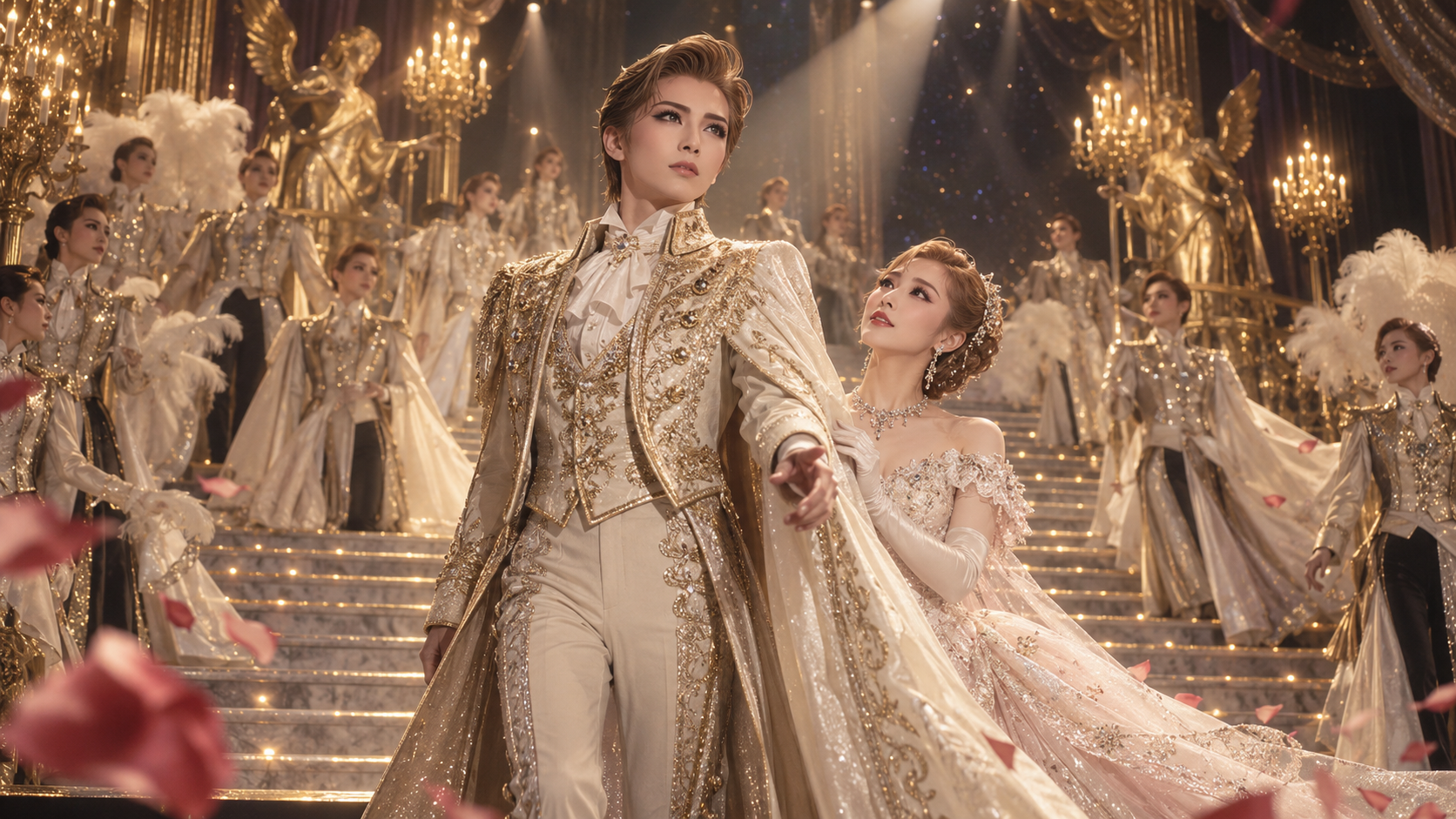
There is a particular kind of heartbreak that begins not with loss, but with beauty. The music rises. The lights catch the glitter of elaborate costumes. Dancers move in extraordinary harmony, and a star descends a grand staircase with a presence so assured that, for a moment, it seems as though the entire theater exists only for her. Every movement feels deliberate. Every gesture has meaning.
And somewhere in the middle of all that splendor, an unexpected feeling appears. You wish the moment could last forever. But you already know it cannot. This is one of the secrets of Japan’s Takarazuka Revue: a theatrical world where extraordinary beauty and quiet sadness can exist in the very same moment. And nowhere is that feeling more powerful than in the figure of the otokoyaku.
A World Unlike Any Other Stage
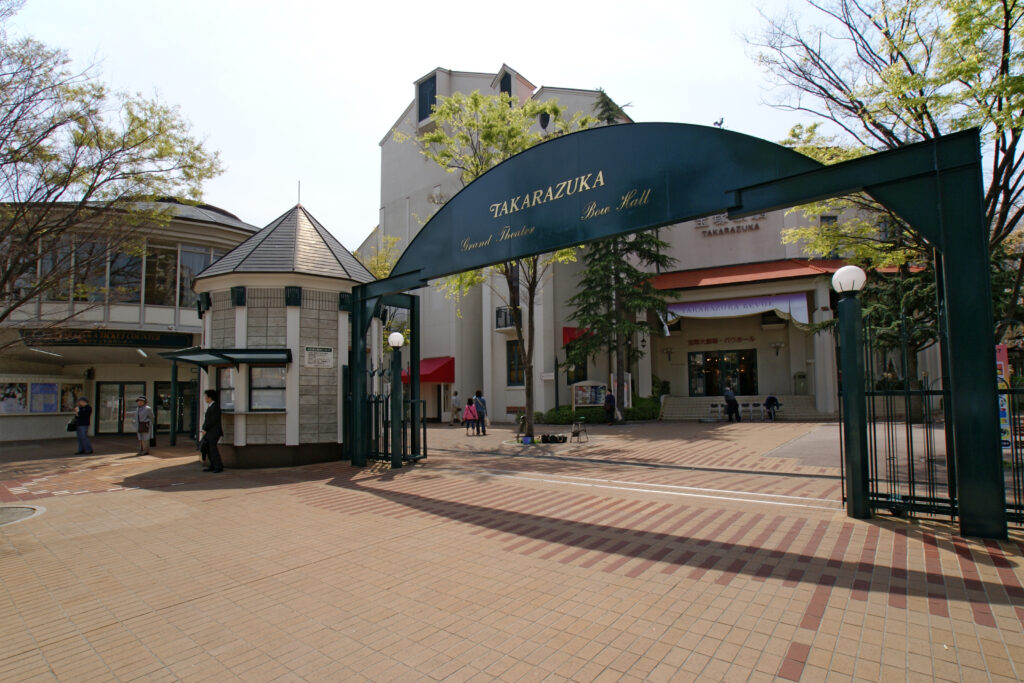
The Takarazuka Revue gave its first performance on April 1, 1914. Today, it remains one of Japan’s most distinctive theatrical institutions. Its performers are all women, playing both male and female roles. But describing Takarazuka simply as an all-female musical theater company tells us remarkably little about its appeal. Takarazuka creates an entire world. The costumes, lighting, choreography, music, scenery, and movements of the performers seem to belong to a single artistic vision.
A dramatic scene may give way to a spectacular revue filled with dancing, elaborate costumes, and dazzling formations. The famous grand staircase, with its 26 steps, becomes the setting for a finale in which stars descend toward the audience. There is also the ginkyō, or silver bridge, an extended stage area that brings performers unusually close to the audience. Yet the sensation is not merely one of spectacle.
It is the extraordinary care with which the spectacle is assembled. A tailored jacket falls perfectly across a performer’s shoulders. A group of dancers turns together. A change of lighting transforms the emotional meaning of a scene. Even the stillness seems composed. Takarazuka’s attention to visual harmony can change the way a spectator looks at a stage. A gesture that might otherwise pass unnoticed becomes part of the pleasure of watching.
Once you have experienced a world in which every detail appears to serve the same dream, it can be difficult to forget. And behind that appearance of perfection are real people: performers, musicians, designers, technicians, and many others whose demanding work makes the illusion possible. The dream is carefully constructed. That is part of its beauty.
The Otokoyaku: An Ideal Created for the Stage
At the center of Takarazuka’s fascination stands the otokoyaku: a female performer who specializes in male roles. But an otokoyaku is not simply a woman pretending to be a man. She creates a particular vision of masculinity. It may be expressed through the angle of her shoulders, the controlled movement of her hands, the way she turns toward another performer, or the subtle pause before she speaks.
Her voice, posture, costume, and presence become parts of a carefully developed theatrical identity. Sometimes the effect is commanding. Sometimes it is gentle. Sometimes a single glance conveys more romance than an entire conversation. And this is where the fascination becomes difficult to explain. The otokoyaku does not necessarily resemble the men we encounter in ordinary life. She may embody an ideal shaped by beauty, tenderness, dignity, elegance, and strength.
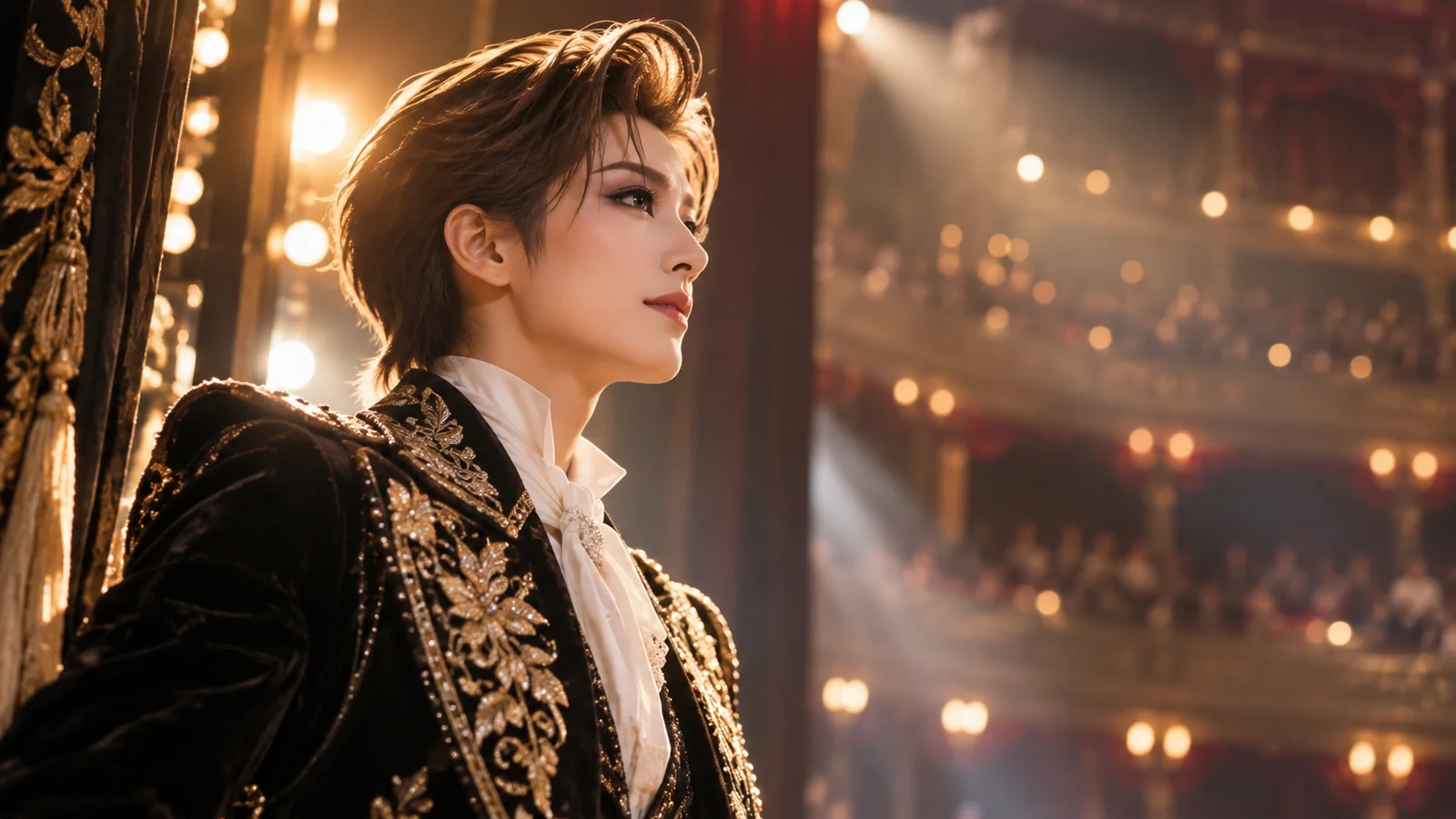
It is a kind of masculinity made for the stage, rather than borrowed directly from reality. That artistry can give audiences room to imagine forms of romance and beauty different from the ones presented in everyday life. For some fans, the attraction is romantic. For others, it is admiration for artistic skill, elegance, or the possibilities of gender expression. There is no single way to love an otokoyaku.
But there is something remarkable about watching a performer create a presence so convincing and so captivating that the distinction between acting and feeling briefly seems to disappear.
The Beauty of the Musumeyaku
The otokoyaku cannot be understood without the musumeyaku, the performers who specialize in female roles. Their femininity is equally stylized and carefully developed. The grace of a movement, the placement of a hand, the turn of a head, and the delicacy of a gesture all contribute to the theatrical image. But the musumeyaku is far more than a beautiful figure standing beside a male-role star.
She is an essential partner in creating the emotional language of Takarazuka. When an otokoyaku offers her hand and a musumeyaku responds, the smallest movement can become a complete romantic scene. The relationship between their roles allows an audience to experience an idealized encounter, one shaped through music, movement, expression, and dramatic timing. The beauty lies not merely in the individual performers, but in what they create together.
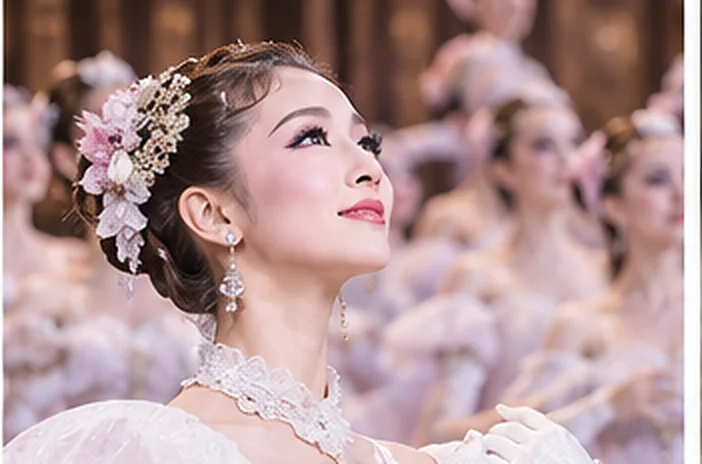
Each makes the other’s artistry more visible. And sometimes, the result is almost painfully beautiful.
Falling in Love with Someone You Cannot Reach
There is another dimension to Takarazuka that is rarely captured by a simple explanation of its theatrical traditions. It is the longing. Imagine watching an otokoyaku perform. Perhaps it is the confidence of her entrance. Perhaps it is the tenderness of a romantic scene. Perhaps it is the way she looks out across the theater during the finale. Something about her presence stays with you.
You want to see her again. You follow her performances. You notice how her artistry develops. You remember a particular gesture, a particular song, a particular expression. And somewhere between admiration and longing, the feeling can begin to resemble love. Yet it is a love with an unusual distance built into it. The captivating figure onstage is a work of art, created by a real performer who has her own independent life beyond the theater.
The stage persona is not a promise of a personal relationship. What feels impossible to reach is not simply the performer herself. It is that particular vision of beauty. That particular combination of character, music, costume, movement, and light. The person who appears before you in that moment exists through a performance that cannot be carried into ordinary life unchanged. You can admire it. You can return to the theater.
You can remember it for years. But you cannot make that moment yours forever. And perhaps this is why the feeling can be so intense.
Takarazuka offers a beauty that cannot be possessed. And sometimes, it is precisely that distance that leaves the deepest impression.
Why the Beauty Becomes Sadness
There is a difference between loving something beautiful and knowing that it will eventually disappear. In Takarazuka, that knowledge is always present. A performance has a final night. A role belongs to a particular production. A partnership between stars changes. And eventually, performers leave the company. Departure from the company is called taidan. For a fan, it can mark the end of a particular era of the Revue.
For leading stars, the farewell may include a special Sayonara Show, revisiting memorable moments from their years with the company. Such occasions are filled with gratitude and celebration. But they can also be deeply emotional. The performer may continue a successful artistic life elsewhere. Her career does not necessarily end when she leaves Takarazuka. Yet the otokoyaku whom audiences came to love—the precise stage presence shaped through years within the Revue—will no longer exist in quite the same form.
That realization can be heartbreaking. A recording may preserve a performance. A photograph may preserve a smile. A costume may remain on display. But no recording can fully recreate the atmosphere of being in the theater as the music rises and the performer stands before you. What you witnessed belonged to that moment. And now it belongs to memory.
The more beautiful the moment, the sharper the ache of knowing it must end.
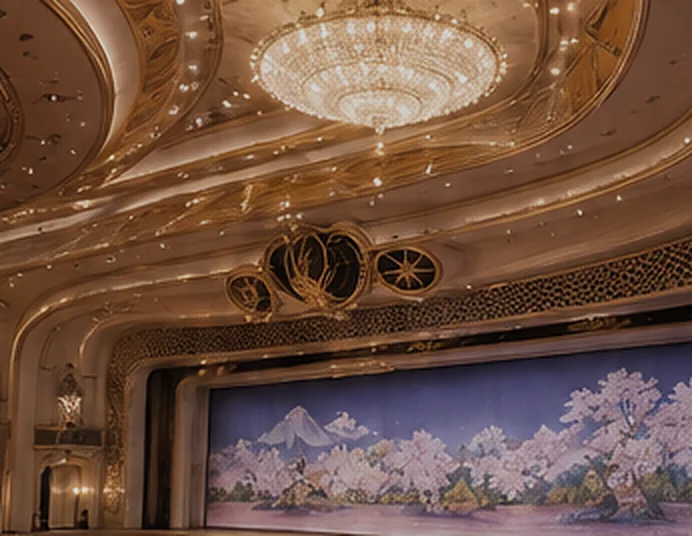
The Strange Perfection of an Impossible Dream
Why do people willingly return to something that can make them feel this way? Perhaps because not every beautiful experience is meant to be kept. Some experiences matter precisely because they are temporary. A song ends. A dance reaches its final movement. The curtain falls. And the audience, who for a little while inhabited an extraordinary world, must return to ordinary life. Takarazuka seems to understand this relationship between longing and beauty exceptionally well.
Its glamorous costumes, commanding stars, romantic stories, and carefully composed performances invite audiences into a world that feels more beautiful than daily reality. But the experience never entirely belongs to them. It has its own boundaries. Its own time. Its own ending. That is why the sadness is not necessarily a flaw in the experience. It can become part of what gives the beauty its meaning.
You know that you cannot remain inside the dream. So you treasure the moments when you are allowed to enter it.
More Than an All-Female Theater
For international audiences unfamiliar with Takarazuka, the presence of women playing male roles may initially seem like its most unusual feature. But the deeper fascination is not simply about who plays which role. It is about the emotions created through that transformation. The otokoyaku is a theatrical ideal, yet her artistry can move people in very real ways. The musumeyaku gives that ideal a partner, a story, and another form of beauty.
The costumes and scenery make the dream visible. The music gives it emotional force. The performers give it life. And the audience brings its own hopes, memories, and longings into the theater. What emerges is an experience that can be intensely personal, even when shared with hundreds of other spectators. That is why Takarazuka is difficult to understand from a photograph alone. A photograph can show the costumes.
A video can show the choreography. But the full experience includes the anticipation, the presence of the performers, the collective concentration of the audience, and the knowledge that the moment unfolding before you will never occur in exactly the same way again.
The Beauty That Remains After the Curtain Falls
There are performances we enjoy and then forget. And there are performances that remain inside us. Sometimes what stays is not the story, or even the music. It is the image of a performer turning toward the light. The graceful movement of an outstretched hand. The quiet confidence of an otokoyaku standing perfectly still. Or the overwhelming beauty of a finale that we wish would never end.
These memories can return unexpectedly, long after the theater has gone dark. And with them comes an emotion that is difficult to name. Admiration, perhaps. Longing. Love. And something close to grief for a moment that cannot be recovered. This is the particular magic—and the particular ache—of Takarazuka.
To stand before something so beautiful, knowing you cannot hold it in place.
To find yourself somewhere between admiration and love, until beauty becomes an almost unbearable tenderness.
Takarazuka does not offer its audience a dream it can possess forever. It offers something more fleeting. A dream that becomes real for the length of a performance. And perhaps that is why it can remain in the heart for a lifetime.
Some beauty is not meant to be owned. It is meant to be felt—and remembered.
If you want to see it for yourself
Explore the Revue’s official English introduction for a first look at its theatrical world, and use the official English website for current performances and ticket information. The illustration accompanying this essay evokes revue glamour; it does not document an actual Takarazuka production.
Continue exploring
For another perspective on tradition, public feeling and the lives behind an institution, read Princess Aiko and the Throne She Cannot Inherit.