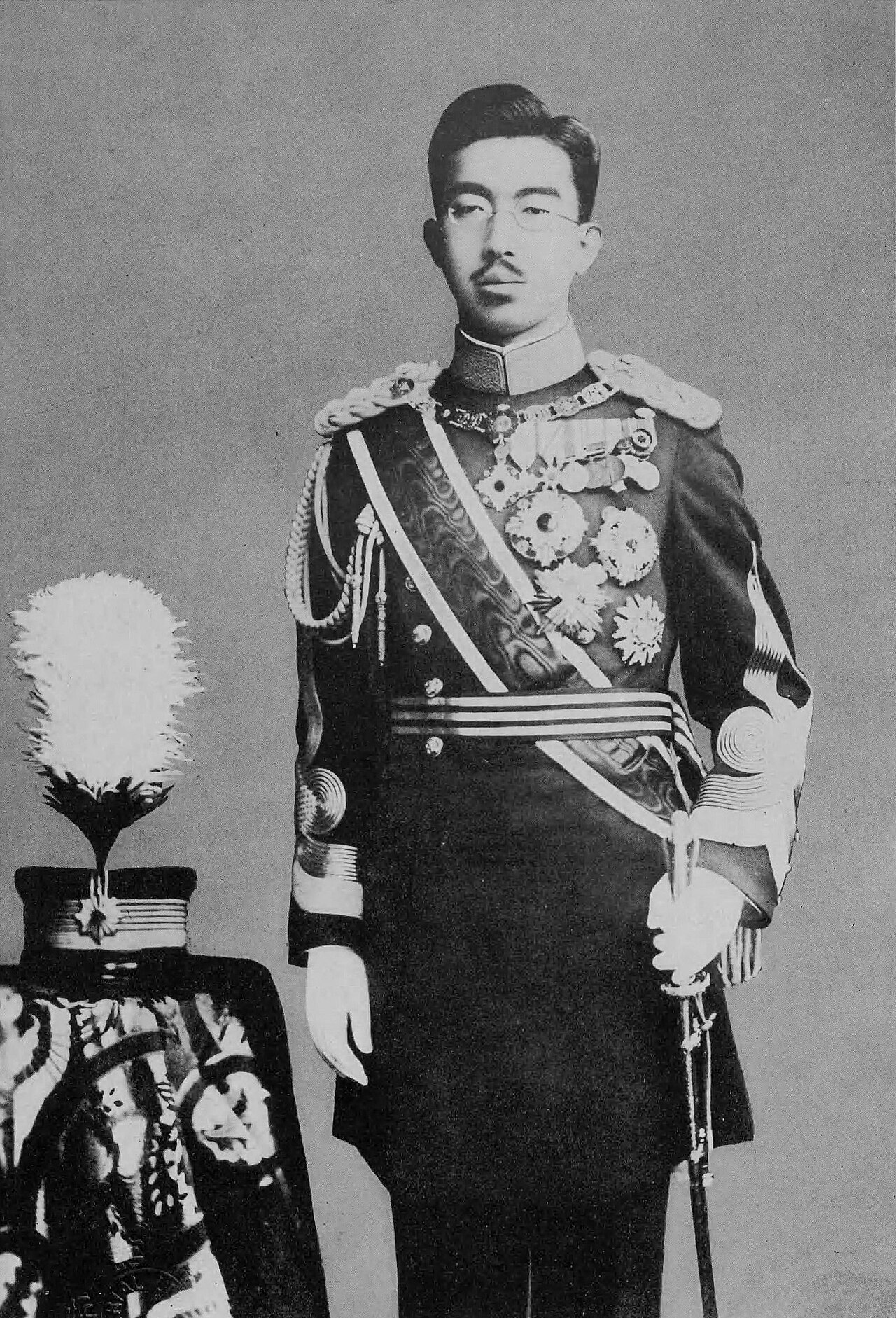
Imagine finding two Japanese documents in the same archive box. One is dated Taishō 15, December 24. The other says Shōwa gannen, December 27. No year has gone missing between them. Both dates belong to December 1926, and the days separating them explain why the first year of Shōwa was so short.
December 25 marks the change
The National Archives of Japan records the death of Emperor Taishō on December 25, 1926, and the proclamation designating the new era Shōwa from that day. Read the last seven dates on the calendar aloud: December 25, 26, 27, 28, 29, 30 and 31. All seven fall in Shōwa gannen, the first year of Shōwa.
On January 1, 1927, the year number advanced to Shōwa 2. Japan did not wait until the anniversary of the change on the following December 25. Gannen, written 元年, names the first calendar year of an era, whether its share of the calendar is long or very short.
Open the Official Gazette and test the rule
Japan’s National Printing Bureau shows the first numbered Official Gazette of Shōwa, dated December 27, 1926. Compare that date with the December 25 proclamation in the National Archives. One document establishes the era. The other demonstrates how quickly the new date appeared in a regularly numbered publication.
For a museum label giving only an era and a year, converting to a Western year may be enough. For a letter, diary or newspaper from a transition year, keep the month and day. “December 1926” leaves the era open. “December 24, 1926” or “December 27, 1926” gives you the answer.
Read next · Why Japan Still Uses Imperial Era Names
Sources and visitor information
Lead image · TORIKAI Yukihiro · Wikimedia Commons · Public domain



Comments