What connects a black-and-white thriller set in Vienna with a railway platform in Tokyo? At JR Ebisu Station, the missing piece is a beer advertisement. The departure melody associated with the station began as the theme from The Third Man. But the reason it found a home here starts more than half a century before the film, with a brewery that needed a way to move its beer.
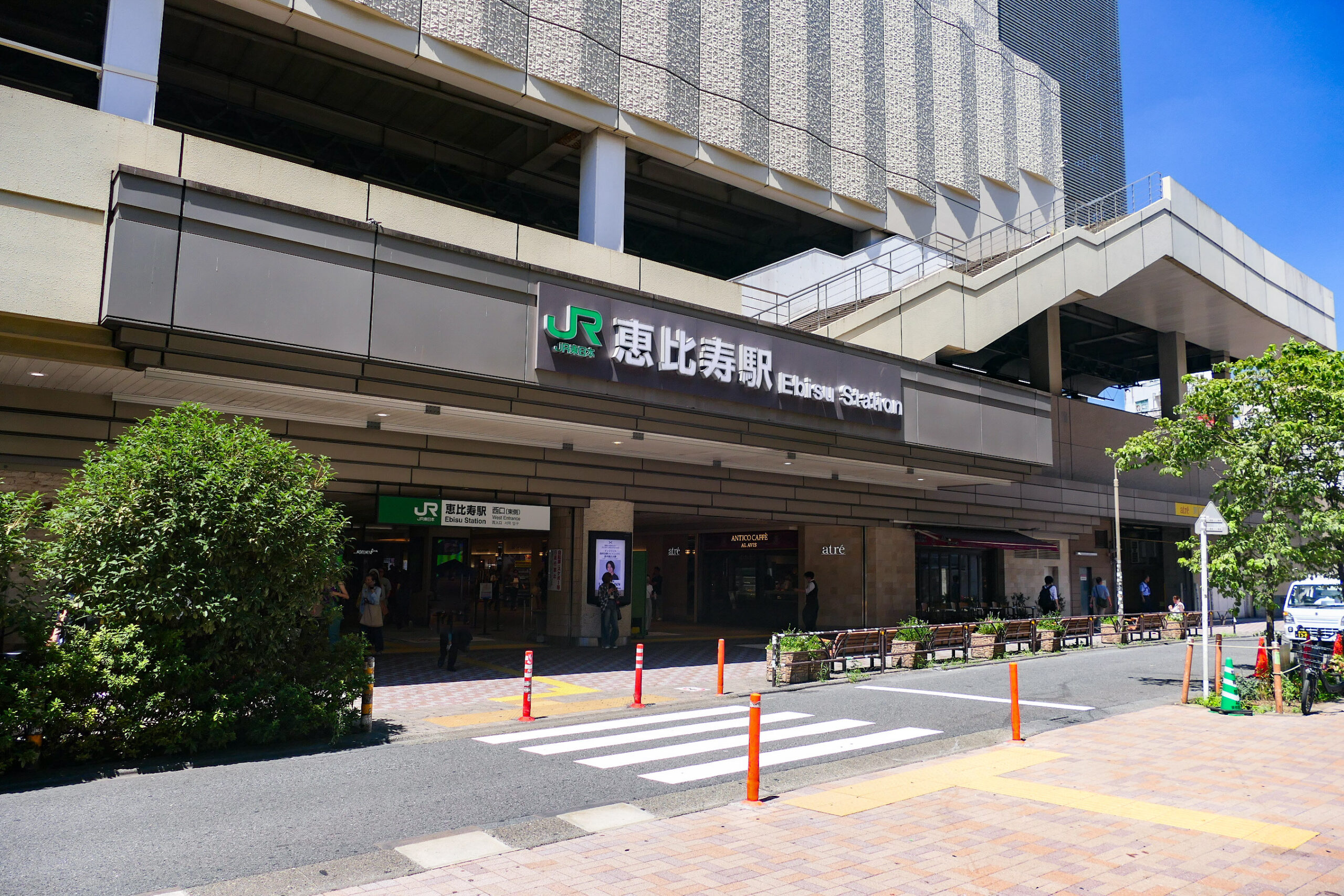
The beer got here before the station
Yebisu beer was launched in 1890. In 1901 a freight stop opened for loading and shipping the beer. By 1906 there was passenger service at Ebisu, closer to Shibuya than the original loading point. The brewery’s history traces the neighborhood name back to the beer, too. So if the brand, district and station seem unusually well matched, there is a practical explanation: the trains were there to carry the product before people were buying tickets for the journey.
The brewery later moved, and Yebisu Garden Place opened on the former site in 1994. On a map of the neighborhood, the different English spellings are a useful clue. Search for “Ebisu Station” to find the railway and “Yebisu Garden Place” to find the former brewery grounds.
A zither in Vienna, then a cue in Tokyo
Carol Reed’s 1949 film The Third Man follows a mystery through postwar Vienna. Anton Karas played its memorable score on a zither. Listen to the original if you can: each note has a distinct plucked attack, and the little tune is surprisingly jaunty company for a story full of shadows.
Japanese viewers later heard the theme in Yebisu beer commercials. Sapporo’s brand history dates its use as a departure melody at JR Ebisu to 2005 and notes different arrangements for trains on the two directions of the loop line. A person who knew the ad and someone who knew the film could recognize the same few notes and picture entirely different places.
Two ways to listen
Start with the film theme, then listen for the outline of that tune in the station arrangement. How much of a melody do you actually need to recognize it? If you visit, pay attention to the words of the announcement and your own train first. For the history, there is no need to catch a perfect recording on a crowded platform. The station name, the old brewery site and the tune each preserve a different part of the same story.



Comments