Entertainment & Celebrities · ARASHI Member Stories 03
Masaki Aiba Beyond ARASHI: Animals, Food and His 2026 Chapter
A familiar voice from one of Japan’s biggest pop groups built an unexpected second career around animals, seasonal food and ordinary people. From rescue-dog grooming to a new 2026 film, the life of Masaki Aiba reaches far beyond the concert stage.
9 MIN READ · UPDATED NOVEMBER 2026

Photo: Japanese Station / Wikimedia Commons · CC BY 3.0. Still extracted from a Creative Commons-licensed 2019 video; shown without additional changes.
For some fans, Masaki Aiba is forever one of ARASHI’s five members, standing beneath an arena’s bright lights. For others, he is the familiar television host who sits beside a nervous rescue dog, works with animal-care professionals, or learns a recipe from a farmer and tries to make it himself.
Those pictures may sound very different, but they belong to the same career. Masaki Aiba (相葉雅紀), born in Chiba Prefecture on December 24, 1982, became famous in the five-member Japanese pop group ARASHI. He went on to build a substantial career as a television presenter and actor, with an unusually strong association with animals, cooking and stories about everyday life in Japan.1
This is the third article in our series about the individual lives behind ARASHI, following Satoshi Ohno’s visual art and Sho Sakurai’s rap and news career. In Aiba’s case, the interesting question is how his public identity gradually came to include a different kind of work: helping an anxious animal feel safe, listening to a producer’s story, and learning a skill in front of the camera.
Who is Masaki Aiba?
Aiba is one of the five original ARASHI members, alongside Satoshi Ohno, Sho Sakurai, Kazunari Ninomiya and Jun Matsumoto. The group debuted in 1999 and grew into a major presence in Japanese music, television and arena concerts. After an extended hiatus starting in 2021, the five reunited for a final tour in 2026. Their last group concert was held at Tokyo Dome on May 31, 2026, completing ARASHI’s activities.2
Aiba’s career after that date has not been a retreat from entertainment. In November 2026, his official STARTO artist profile lists recurring television programmes, a film role, streaming content and an upcoming theatrical reading. The full set of activities is worth examining because it shows how one performer can find different ways to connect with an audience after his group’s farewell.
To appreciate his story, it helps to know something about Japan’s variety television. Such programmes often combine entertainment with everyday learning. A performer might go out into the countryside, ask someone to explain their craft, attempt an unfamiliar task and respond on camera. The result is often more conversational and less scripted than a traditional drama.

Photo: J. Balla Photography / Unsplash.
From animal television to rescue-dog grooming
Japan’s animal programmes can range from amusing domestic pet videos to serious coverage of animal-care work. Aiba became particularly familiar to viewers through his long association with animal television, including Tensai! Shimura Dōbutsuen and the programmes that followed it. The current Nippon Television series Ah! Minna no Dōbutsuen (嗚呼!!みんなの動物園, roughly Ah! Everybody’s Zoo) continues to list Aiba as its presenter.3
One of the most distinctive recurring projects is known in Japanese as “Aiba Trimming” (相葉トリミング). It involves grooming dogs in rescue situations, often with other guests and professional helpers. Nippon Television’s own reporting says that Aiba began the volunteer grooming work years ago and had already worked with dozens of dogs by 2023.4
To understand why the segment matters, consider what an overgrown coat can mean for a dog. Matted hair may make ordinary movements uncomfortable and can hide problems beneath the surface. A frightened or poorly socialized animal may not welcome human touch. Even when a grooming session looks simple in an edited video, the work can require patience, restraint, suitable tools and experienced handling.
Some rescue dogs have been abandoned; others have been removed from poor living conditions or have experienced disruption in their homes. Grooming on television is not a substitute for veterinary care, proper rehabilitation or a safe long-term placement. The programme’s most valuable theme is the process of helping a vulnerable dog become more comfortable—not the idea that one television appearance solves every animal welfare problem.
What happened in the 2026 rescue-dog episodes?
The grooming segment continued well into 2026. An episode on September 19 featured Aiba working with Shota Watanabe of Snow Man and animal-care students to wash and groom rescued dogs. Other recent programmes featured cats being fostered ahead of adoption events, illustrating the series’ broader focus on the relationships between humans and animals.5
One point is easy to overlook when watching highlights online: the people who foster, shelter and adopt animals do most of their work away from cameras. A celebrity can bring attention to their efforts, but the organizations, volunteers, groomers and veterinarians have their own expertise and responsibilities.
That distinction makes the programmes more meaningful rather than less. For viewers outside Japan, the segments can introduce a part of Japanese pet culture that goes beyond fashionable dog clothes and pet cafés: the sometimes difficult work of rescue, care and adoption.
Animal-welfare rules and adoption requirements differ between regions and organizations. The show can inspire interest, but anyone hoping to adopt a pet should consult a reputable local shelter and consider the animal’s long-term needs.
Why fans associate him with kindness
Many fans associate Aiba’s television personality with warmth, but words such as “kind” and “gentle” should not be mistaken for a verified description of a stranger’s private character. What audiences can observe are the choices made within the programmes: listening to guests, learning a task from someone experienced, and approaching an unfamiliar animal without making the story solely about the celebrity.
The difference between that screen presence and a concert stage can be fascinating. At a live ARASHI show, five performers shared a carefully planned piece of entertainment. In an unscripted animal segment, plans can be interrupted by an anxious dog or an unexpected reaction. The host’s job is partly to adapt and listen.
It is also worth considering the people behind the camera. A long-running rescue segment depends on crews, safety procedures, shelter staff and the wider work of animal-care specialists. The visible celebrity is one part of a much larger process.
Aiba Manabu: learning Japan through food
Animals are only one side of Aiba’s television work. Since 2013, he has hosted Aiba Manabu (相葉マナブ), a TV Asahi programme built around learning about Japan through hands-on experiences. Its recurring food segments follow seasonal produce, cooking methods, local producers and dishes made with ingredients that may be unfamiliar to audiences overseas.6
The title contains the Japanese verb manabu, meaning “to learn.” It is a fitting description of the programme’s format. Rather than presenting himself as an expert at everything, Aiba works through a problem with the help of people who know more than he does: a farmer, a cook or someone who has practised a craft for years.
Food episodes can be a surprisingly good introduction to Japanese life. What looks like a simple vegetable dish may depend on a short harvest season, a regional growing environment or a technique passed from one generation to another. Even a familiar ingredient can appear in combinations that differ from recipes overseas.
In the programme’s October 2026 archive, episodes explored lotus root from producing regions, autumn fruit and dishes made from chestnuts. Its official recipe archive is a useful resource for readers who want to try a Japanese home-cooking idea without needing to understand every moment of a broadcast.7
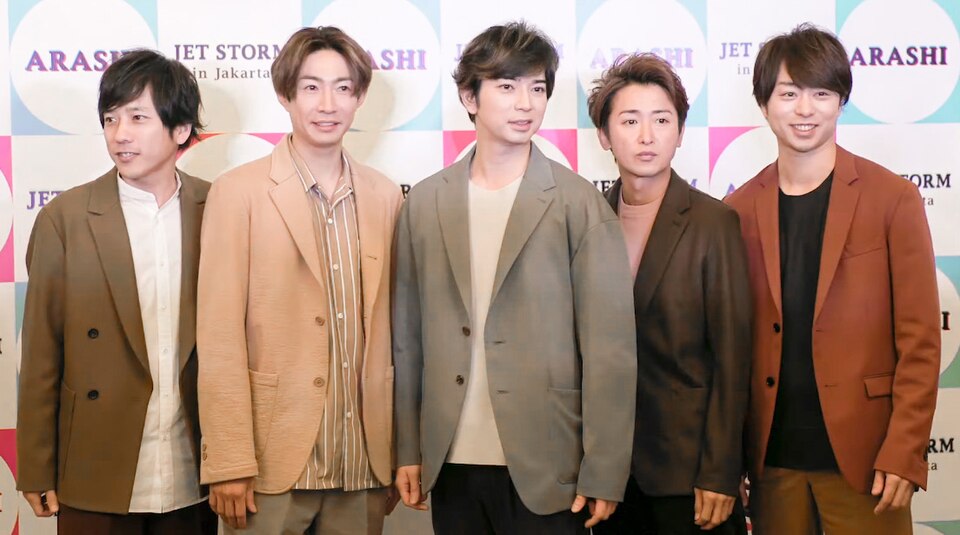
Video still: Japanese Station, via Wikimedia Commons · CC BY 3.0. Video still from the version supplied on Wikimedia Commons; reduced in size.
Why Aiba Manabu is interesting to overseas viewers
Many visitors encounter Japanese food through restaurant menus: sushi, ramen, tempura, yakitori. Those dishes matter, but they tell only part of the story. Ordinary home cooking in Japan often responds to the weather, the market and what is growing nearby. A food programme centred on learning can bring that everyday relationship into view.
One useful way to watch is to ask three questions. Where did the ingredient come from? Who taught the technique? Why is this particular dish connected to the season? These questions shift attention from the host’s fame to the people who keep the food culture alive.
Aiba’s willingness to attempt unfamiliar tasks also reflects a broader appeal of Japanese variety television. The audience watches someone learn, make mistakes and occasionally be surprised by how difficult a seemingly simple skill can be. The work becomes approachable because the person on screen is not expected to know everything already.
Of course, a television segment is edited entertainment. For dietary advice or safe food handling, follow trusted food-safety guidance rather than assuming every method shown is universally appropriate.
More 2026 programmes: exploring the world
The November 2026 official STARTO schedule lists several television programmes outside animal care and cooking. One is the NHK travel and discovery programme Sekai de Hirake! Himitsu no Doors (世界で開け!ひみつのドアーズ), hosted by Aiba. The series explores places and people abroad, sometimes following questions gathered from residents and sometimes looking at the people who produce goods used in Japan.8
Examples in the broadcaster’s 2026 listing include a visit to Egypt to explore unexpected Japanese connections and a programme about the Nicoya Peninsula in Costa Rica, an area associated with long life. An episode about salt production in Australia explores the people and landscapes behind an ingredient familiar to many kitchens.8
Aiba also appears in Aiba ◎×-bu (相葉◎×部), a Fuji TV variety format, and with Hiromi in the TV Asahi programme Aiba Hiromi no Okomari desu Car?. His official profile includes a streaming programme, Aiba-san no Daibōken (相葉さんの大冒険), on Prime Video. Licensing and availability outside Japan vary by service and region; check the relevant official distributor before subscribing.
A serious 2026 film: 4 Out — One More Play Ball
Aiba’s entertainment career also includes acting roles with a very different tone. His new lead film, 4 Out — Mou Ichido, Play Ball (4アウト ─もう一度、プレイボール─), opened in Japanese cinemas on November 6, 2026. It is based on a nonfiction book by Yuzuru Hirayama about the creation of a baseball team for players with physical disabilities.9
Aiba plays Yūichi Yagami, a man whose own baseball ambitions have been interrupted. After losing his place in a corporate baseball team and beginning work at a facility for people with disabilities, he encounters people who want to play baseball and becomes involved in building a team. The story follows both the frustrations and the determination of that group.9
Because the film draws on real people and disability sport, it deserves an introduction that goes beyond calling it “inspirational.” The players are athletes with their own goals; the story is not simply about a nondisabled character helping people who need to be saved. For an international viewer, it can be an entry point into Japanese adaptive sport, teamwork and the social barriers faced by participants.
As of November 14, 2026, the film is a recent Japanese theatrical release. An international streaming release or an English-subtitled edition should not be assumed unless an official distributor announces it.
Television drama and the broader acting career
In addition to 4 Out, Aiba appeared as the lead of the 2026 second season of Daitsuiseki: Keishichō SSBC Kyōkōhankei, a TV Asahi police drama. The official artist schedule lists the programme and its forthcoming February 26, 2027 Blu-ray/DVD box release.10
Long before 2026, Aiba was known for different dramatic projects, including My Girl (2009), Bartender (2011) and Mikeneko Holmes no Suiri (2012). Those titles span family drama, food and drink-related work, and detective fiction—a reminder that “animal presenter” is only one of his many public roles.
For newcomers, there is no single correct starting drama. Consider the genre first and then check whether it can be watched legally in your region with a subtitle language you understand.
After the ARASHI farewell: an individual fan club
ARASHI’s final group concert took place on May 31, 2026. Aiba then continued his television, acting and live-event work under his own name. His personal official fan club opened for new membership applications at noon Japan time on July 15, 2026.11
The application announcement included a limited transition arrangement for people who had been active ARASHI fan club members on May 31, with an August 31 deadline for carrying membership information over. That was a time-limited administrative arrangement, not a revival of the ARASHI group membership.11
The official club page is FAMILY CLUB: Masaki Aiba. Fans living overseas should check the published residence and identity requirements. The broader FAMILY CLUB system restricts membership to people residing in Japan; a friend’s Japanese address is not an authorized substitute. Our guide for international fans explains those rules and the differences between membership, ticket lotteries and official resale.
December 2026: music television and a stage reading
Even though ARASHI itself has concluded, Aiba remains a familiar presence in Japanese music television. Fuji Television has announced him as one of the presenters of the 2026 FNS Kayōsai, alongside announcer Seika Inoue. The winter music special is scheduled for December 2 and December 9, 2026. As of November 14, those broadcasts are still upcoming.12
Aiba is also scheduled to appear in the music-reading theatre production READING HIGH noir: THANATOS, with Saori Hayami and Akio Ōtsuka. Performances are planned for December 19–20, 2026 at the New National Theatre, Tokyo. It is a reprise of a 2024 production featuring the same principal cast.13
A theatrical reading is different from a televised animal segment or a studio interview. It places the sound and timing of an actor’s spoken voice at the centre of the stage. In that sense, it is another example of a performer using skills developed in one setting to work in another.
Because these events are in the future, their status should not be described as completed until the performances take place. Ticket eligibility also depends on the official organizer’s rules, not merely on whether a page is publicly visible.
How to discover Masaki Aiba if you are new to ARASHI
For his work as an actor, start with Masaki Aiba in Bartender: The First Episode and ARASHI’s “Lotus”.
Some overseas listeners discover ARASHI through a song or documentary and then find a favourite member through other television work. If Aiba’s name is new to you, these are practical points of entry:
- Begin with ARASHI’s music. Listen to the group’s early songs to understand the five-member identity before exploring members’ separate careers.
- Read the official animal programme site. Nippon Television’s Ah! Minna no Dōbutsuen explains the show’s premise and links to programme footage where available.
- Explore seasonal cooking. The official Aiba Manabu website and recipe archive introduce foods, producers and cooking ideas.
- Check the 2026 film. Look for the film 4 Out — Mou Ichido, Play Ball, released in Japan on November 6, to see a more dramatic side of his career.
- Look at his current television work. The STARTO schedule is a more reliable source for broadcast dates than old fan screenshots.
- Follow official future announcements. The December FNS Kayōsai and THANATOS have their own organizer pages with dates and participation details.
Frequently asked questions about Masaki Aiba
Is Masaki Aiba still an ARASHI member?
He was one of the five original members. ARASHI concluded group activities after its final concert on May 31, 2026; Aiba continues working individually in television, acting and other projects.
How old is Masaki Aiba in November 2026?
He was born on December 24, 1982, making him 43 years old as of November 14, 2026.
Why is Aiba associated with rescue dogs?
He has worked for years on animal television, including a recurring volunteer grooming segment involving rescue dogs. Nippon Television has documented the programme and his participation.
What is Aiba Manabu?
It is a long-running TV Asahi show in which Aiba learns about Japanese food, seasonal ingredients and local traditions through hands-on activities. The title means roughly “Aiba Learns.”
What new film stars him in 2026?
He stars in 4 Out — Mou Ichido, Play Ball, a film released in Japanese cinemas on November 6, 2026. It is based on a nonfiction story connected to the establishment of a baseball team for athletes with physical disabilities.
Did Aiba leave entertainment after ARASHI?
No. His official 2026 schedule lists multiple regular programmes, acting roles, a new film, a December music special and a theatrical reading.
Can fans outside Japan join his individual fan club?
FAMILY CLUB’s general rules restrict membership to people who reside in Japan with a valid domestic address. Check the current terms on Aiba’s official membership page rather than using a proxy address.
Where can I watch his shows overseas?
Licensing differs by country and platform. Check the official broadcasters, STARTO artist profile and distributors such as Prime Video for the specific programme. A Japanese broadcast does not guarantee overseas access.
Learning to take care
What connects a rescued dog, a chestnut recipe and a role in a film about a baseball team? Not a single style of performance. The link is the willingness to enter a situation in which another person—or animal—has its own needs and history.
That does not make Aiba’s programmes documentaries without editorial choices. They are made for television and shaped by crews, producers and editing. But their recurring interest in learning from someone else provides an interesting counterpoint to the spectacular scale of an ARASHI concert.
For more than 26 years, Aiba was known as part of a five-person group. In 2026, that chapter closed. His other work is not simply what remains after a farewell; much of it was already being developed for years. The new chapter makes those different strands easier to see.
Sources and further reading
- Wikimedia Commons: Masaki Aiba biography and media — date and place of birth, public career; STARTO official profile.
- LAYERS OF JAPAN: ARASHI 2026 Farewell — the final tour and source-linked background.
- Nippon Television: Ah! Minna no Dōbutsuen — programme overview and current broadcasting.
- Nippon Television: Aiba’s Rescue-Dog Grooming, July 8, 2023 — volunteer grooming programme and its history.
- Nippon Television: Programme News Archive — September 19, 2026 grooming episode; The Television: Programme episode summaries — other 2026 content.
- TV Asahi: Aiba Manabu — learning-based format and programme information.
- TV Asahi: Aiba Manabu Recipe Archive — 2026 seasonal menus.
- NHK On Demand: Himitsu no Doors — current travel documentary format, Egypt, Costa Rica and Australia episodes.
- Eiga.com: 4 Out — Mou Ichido, Play Ball — November 6, 2026 film, original nonfiction book, characters and cast; Cinema Today.
- STARTO official artist schedule — police drama second season and home video release.
- FAMILY CLUB: Masaki Aiba membership began July 15, 2026 — transfer rules and individual membership.
- Fuji Television: Winter 2026 FNS Kayōsai Announcement, November 3, 2026 — announced December dates and presenter.
- READING HIGH: THANATOS Revival Announcement, October 14, 2026 — cast, December 19–20 performances and Tokyo venue.
Checked November 14, 2026. Future broadcasts and events are described as scheduled, not completed. Images refreshed November 16, 2026. The 2019 portrait and ARASHI group image are archival video stills credited to Japanese Station under CC BY 3.0. The dog-grooming photograph is illustrative, not a scene from Aiba’s television programme.







Comments