Performing Arts · Understanding Takarazuka
How Takarazuka’s Five Troupes Work
Flower, Moon, Snow, Star and Cosmos: five names that make a theatre programme much easier to read.
A BEGINNER’S GUIDE · 5 MIN READ

A Takarazuka poster tells you more than the title of a musical. Somewhere near it, you will find another name: Flower, Moon, Snow, Star or Cosmos.
These are the five troupes within the Takarazuka Revue, Japan’s all-female theatre company. Each has its own performers, so the troupe name helps answer a basic question: who will bring this particular production to life?13
For an overseas visitor, learning this small piece of vocabulary can turn a confusing performance calendar into something readable. You can follow a show, a performer or a troupe—and understand how those three choices fit together.
The five names at a glance
The Japanese word gumi means a group. Here, it refers to a performing troupe. The table pairs the English names with the Japanese names you may see on posters, cast pages and merchandise.1
| Troupe | Established | Theme colour |
|---|---|---|
| Flower 花組 · Hana | 1921 | Pink |
| Moon 月組 · Tsuki | 1921 | Yellow |
| Snow 雪組 · Yuki | 1924 | Green |
| Star 星組 · Hoshi | 1933 | Blue |
| Cosmos 宙組 · Sora | 1998 | Purple |
Add gumi to the Japanese name: Hanagumi, Tsukigumi, Yukigumi, Hoshigumi and Soragumi. Cosmos is called Sora in this context.
The colours offer a convenient way to remember the names. They are identifying colours, rather than a promise about the costumes you will see in a particular musical.
Why did one company become five troupes?
The system developed as Takarazuka’s audience and stages grew. Flower and Moon were established in 1921, allowing performances at two venues. Snow followed in 1924, the year the original Takarazuka Grand Theatre opened. Star was formed in 1933 ahead of the original Tokyo theatre’s opening the following year.2
Cosmos arrived in 1998, completing the five-troupe structure. That year also brought a temporary Tokyo theatre and year-round programming there; the current Tokyo Takarazuka Theatre opened in 2001.2
This history helps explain why the troupe system matters. It supports a company presenting different productions across multiple stages, while giving audiences distinct groups of performers to follow.
What makes one troupe different from another?
Start with the people. Each troupe has a leading otokoyaku, a performer specialising in male roles, and a leading musumeyaku, specialising in female roles. Together, they form the leading pair, often called the top combi. The wider ensemble supports the performances built around them.1
For a newcomer, this is more useful than treating the five names as five fixed genres. A troupe’s cast, the roles they play and the production’s staging give you concrete things to listen for and compare.
One revealing example is The Poe Clan, adapted from Moto Hagio’s manga. Takarazuka staged it with Flower Troupe in 2018; a Snow Troupe production followed in 2026. The title belongs to the company’s repertoire without being permanently attached to a single troupe.45
That makes comparison interesting. You might recognise a story while encountering a different cast and interpretation. Equally, two productions by the same troupe may offer very different moods. Read the synopsis alongside the troupe name.
Where does Senka fit?
You may also encounter Senka (専科), usually described in English as the Superior Members. These experienced performers belong to none of the five troupes and join productions where their expertise is needed.1
Think of Senka as another part of the casting structure, rather than a sixth name to add to the table. If a cast listing includes a Senka performer, it tells you that the production draws on talent beyond its own troupe.
Which troupe should you see first?
You can begin with the performance that fits your trip. Open the official performance list and look at the venue, dates and production details together. Takarazuka has its principal theatres in Hyogo and Tokyo, alongside performances at other venues; the city matters as much as the troupe name.36
Then consider the story. A familiar musical or an appealing synopsis gives you something to follow before you know any performers. Check the cast for that specific production, especially if an individual star first caught your attention.
After watching, try remembering one detail: a voice, a duet, a comic scene or the way an ensemble moved together. Find the performer’s name in the cast list. That small connection can give you a reason to explore another production—and a troupe name you will recognise next time.
Sources & image notes
- Takarazuka Revue, Troupes: names, theme colours, leading pairs and Senka.
- Takarazuka Revue, official historical timeline (Japanese): troupe formation and theatre openings.
- Takarazuka Revue, About Takarazuka Revue: company structure, role specialisations and venues.
- Takarazuka Revue, The Poe Clan, Flower Troupe, 2018 (Japanese).
- Takarazuka Revue, The Poe Clan, Snow Troupe, 2026 (Japanese).
- Takarazuka Revue, official performance list: check individual production pages for current dates, venues and casts.
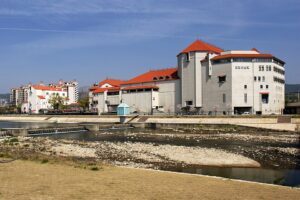
Sources checked on 24 October 2026. The opening artwork is an AI-generated conceptual illustration, not an official Takarazuka image. The historical theatre photograph is credited beneath the image.



Comments