Open the cupboard at a Japanese inn and you may find a folded cotton robe and a narrow sash. In summer you might see two friends on their way to a fireworks display in bright patterned robes with beautifully tied sashes. Both garments can be called yukata. A yukata is a light, informal kind of kimono. The setting explains why the two outfits look and work differently.
In the guest room, start with the overlap
The Japan Ryokan Association describes the traditional yukata as an unlined cotton garment. Put your arms through the sleeves. Take the panel on your own right across your body first, then bring your own left panel over it. The left is the visible outer layer. Tie the sash to hold the robe in place. Thinking in terms of your own shoulders is more reliable than copying the left and right of someone facing you.
At a ryokan the garment is meant for relaxing. Some inns also supply a warmer outer layer in cold weather. Whether guests wear the room yukata to dinner, into a shared lobby or out in the neighbourhood depends on the property and setting. A short question at reception before changing for dinner can save an unnecessary wardrobe change. Leave it with your clothes before entering a communal bath.
At a festival, look at the fabric and the obi
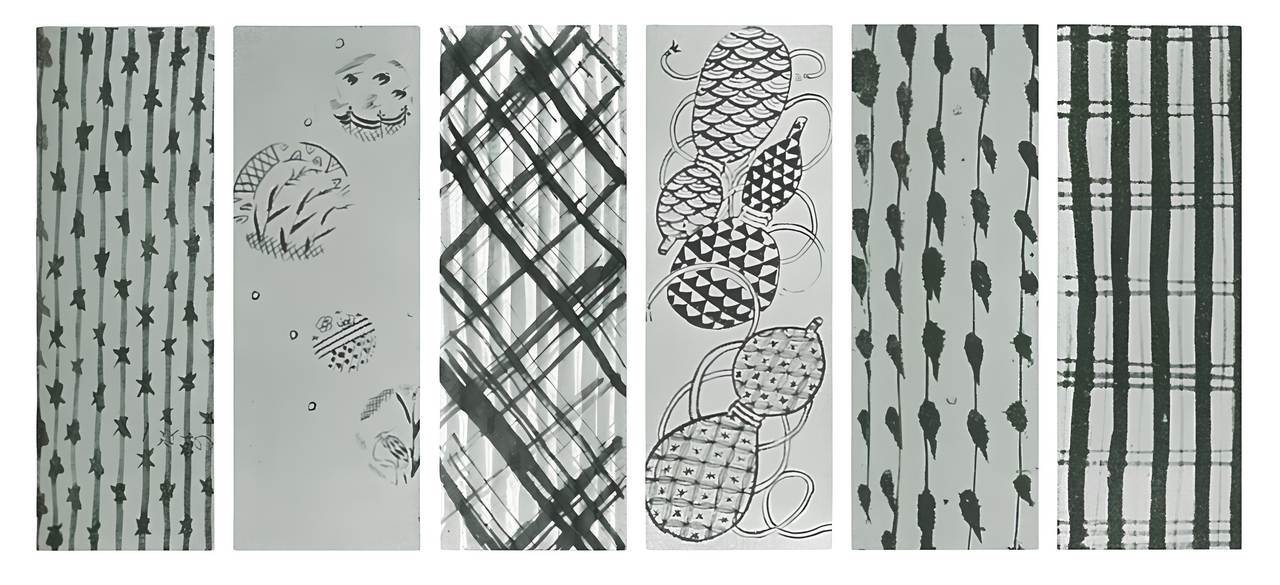
The outdoor summer outfit belongs to the same family, but someone wearing it to a festival may have chosen the cloth, sash and footwear as a complete ensemble. Tokyo’s traditional honzome yukata are one example of patterned cotton made for this purpose. The cloth breathes and the sleeves give the designs room to show. The cover image pairs a yukata design by Kitaōji Rosanjin with a gourd-patterned fabric intended for an obi.
A useful question in a rental shop is where you plan to go. Say “summer festival,” “walk around town” or “formal ceremony,” and the staff have something concrete to work with. “Kimono or yukata?” on its own leaves out the most important part: where you will actually wear it.
Read next
- Furoshiki: Japan’s Wrapping Cloth for Gifts and Everyday Life
- Tokyo cherry blossoms at Ueno and Chidori-ga-fuchi
Sources and visitor information
- Japan Ryokan Association’s yukata guide
- Tokyo Metropolitan Government on honzome yukata
- Web Japan on summer yukata
Cover image: 1930s fabric designs for yukata and obi by Kitaōji Rosanjin. Kitaōji Rosanjin · Public domain



Comments