Two names are needed to visit the small Hokkaido station associated with the film Poppoya, also known as Railroad Man. Horomai is the name on the station in the story. Ikutora is the real place to look up when arranging transport. A timetable old enough to have helped the first generation of fans will give you the wrong way to get there today.

Why the sign and the bus timetable disagree
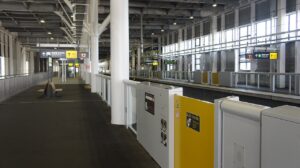
Ken Takakura plays a railway worker whose service at a remote station has shaped the course of his life. The production used Ikutora Station in Minamifurano. The local tourism association still identifies the old building as a filming site, and has used it to commemorate Takakura. The railway section between Furano and Shintoku closed in 2024. The survival of the building, with its fictional identity visible, does not signal the survival of a passenger train service.
Plan the return first
Furano Bus publishes the regional timetable covering Furano and Ikutora. Check its effective date, day of operation and the stop that works for the former station. Pick a return that leaves room for the walk back to the stop, particularly if you need to connect to a reserved train elsewhere. Only then choose your outward journey. It is much nicer to discover you have time for lunch than to discover over lunch that the departure you had counted on runs on a different day.
Look out from the building as well as toward it
The photo most people have in mind is the front of the station. Spend a few minutes looking in the opposite direction, from a publicly accessible spot where someone on duty might once have watched for an arrival. How much warning would that person have had of a passenger approaching? How large a part of the view is taken up by ordinary houses and roads? The questions take their cue from a character who pays attention for a living, and they work whether or not the exhibits inside are open during your visit.
Does it need to be winter?
Snow belongs to many people’s memory of the film. In clearer weather it can be easier to see where the station fits into the settlement. Match the excursion to the transport and weather you actually have. Dated notices of commemorative events are evidence of a local relationship with the film, not a calendar for a future trip. The scheduled bus home, meanwhile, tells its own story about how the real community gets around after the railway.


Comments