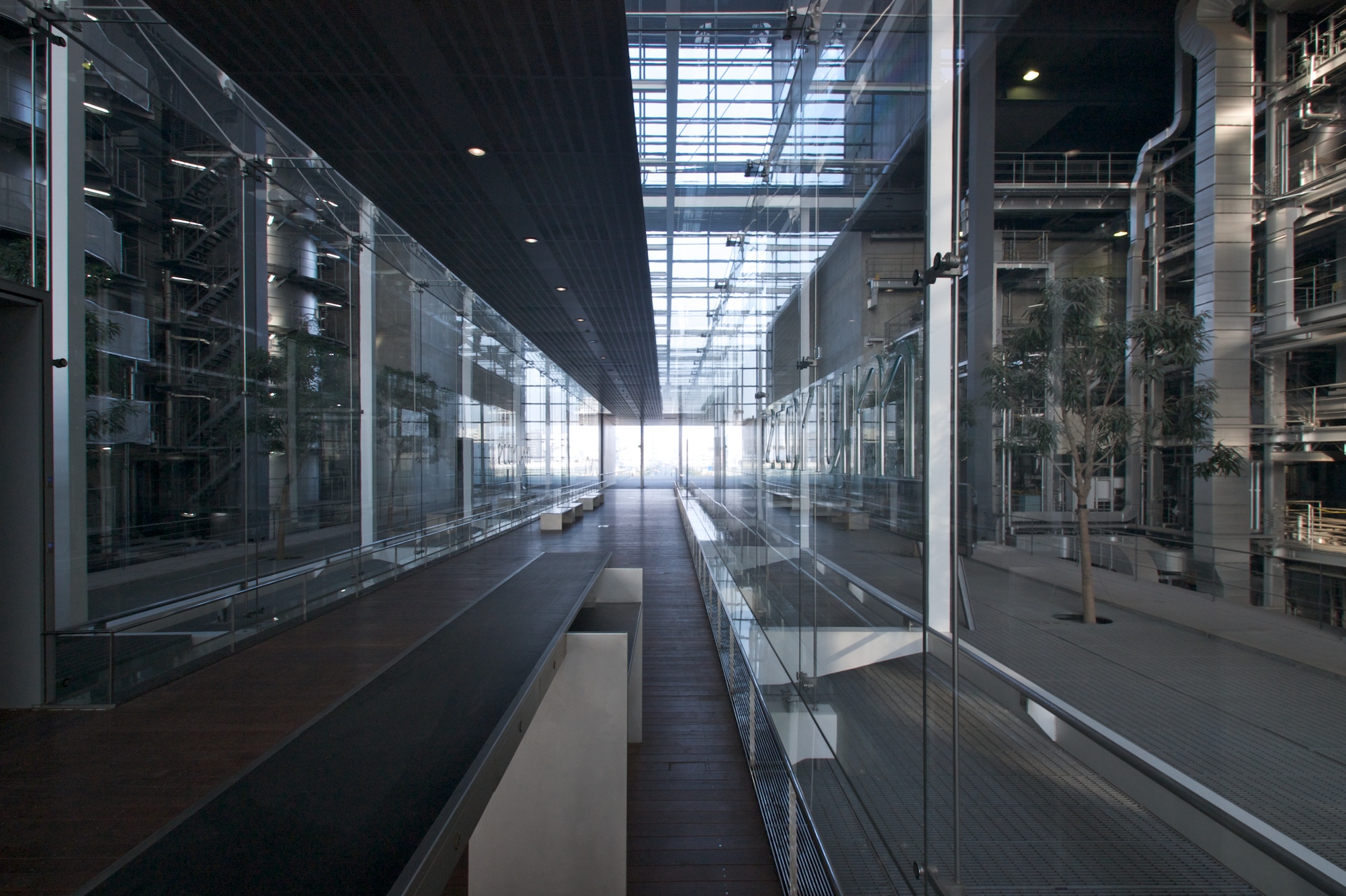
One of the places a film fan can visit in Hiroshima is a municipal incineration plant. Inside the Naka facility, a glazed passage directs the eye through a working piece of the city toward the waterfront. That is an extraordinary proposition even before Drive My Car enters the picture. The film gives a visitor a further reason to slow down and pay attention to how a space sounds when one person moves through it.
Find the right Naka
Save the name 広島市環境局中工場 alongside the official Hiroshima film-location guide. A map search for the film title alone returns sites scattered around the city. The glass passage is known as the Ecorium, a useful second search term when looking up visitor arrangements. If you have only an afternoon, make this one destination your outing. Doing so leaves time to get from the city center to the waterfront and to wait for a return connection after you finish.
What visitors can see
The passage and a guided visit to the waste-processing facility are different arrangements. Hiroshima City publishes access conditions for each, including visiting times and any advance procedures. Read the section for the visit you actually want, particularly if your free day falls on a weekend. The plant has municipal work to do. What makes the public passage unusual is the chance to see industrial equipment in the ordinary course of that work, within the area set aside for visitors.
Walk the length before taking the picture
On the first pass, let your eyes adjust to the long line of glass. Notice how reflections compete with the equipment you can see beyond them and how the open end grows as you approach. Then stop out of the way and look back. A still photograph from the center gives a convincing account of the geometry. It cannot tell you how long you spent walking toward the light, or how different the same corridor felt on the way in.
How it connects to the film
In Ryusuke Hamaguchi’s film, journeys in a red Saab allow conversation, silence and a moving city to occupy the same stretch of time. At the plant you supply the movement yourself. If you are traveling with someone, try the walk once without talking. Compare afterward where each of you first noticed the sea, or when you became aware of the machinery. You can have a precise conversation about a film location without having to reproduce a frame or find a car in a matching shade of red.


Comments