Singapore Edit · Gifts & Everyday Life
Furoshiki Gift Wrapping in Singapore: A Cloth Worth Using Again
A Japanese wrapping cloth can become part of the gift. Start with a simple box, a practical fabric and a clear note for the recipient.
LAYERS OF JAPAN · 17 NOVEMBER 2026
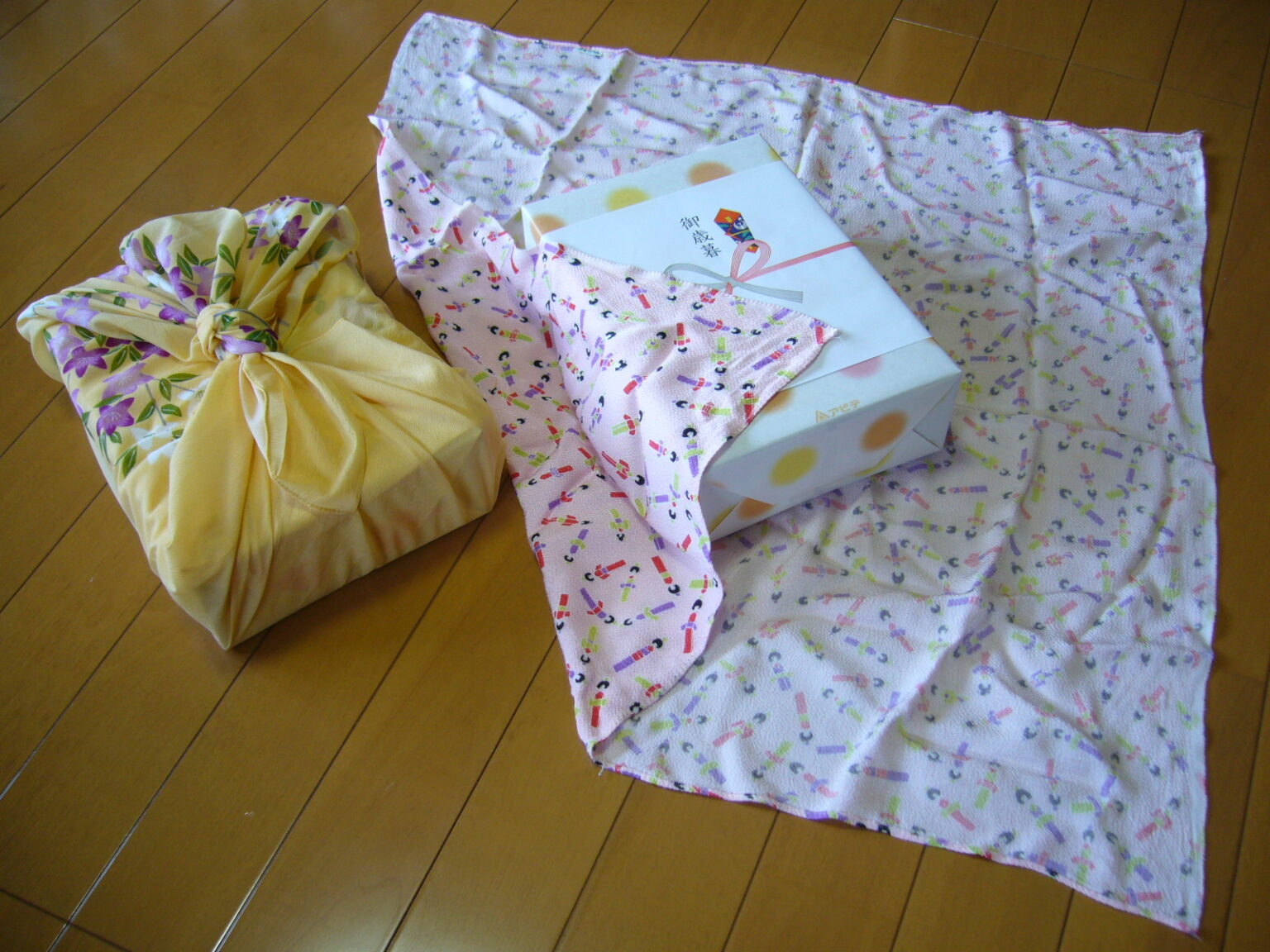

A small box wrapped in cloth feels different in the hand. The folds invite you to untie them carefully, and the wrapping still has a purpose after the gift is opened.
For a birthday, a housewarming or a visit to a friend in Singapore, furoshiki offers a way to make the presentation personal. You do not need an elaborate knot or a complete set of matching fabrics. One cloth, chosen with the recipient in mind, is enough to begin.
What is furoshiki?
Furoshiki is a Japanese cloth used to wrap, carry and store objects. Usually square or nearly square, it can take on different shapes through folding and tying. Web Japan connects its name with the historical practice of wrapping clothing at public baths, while describing its wider modern uses.[1]
We like to think about the cloth’s second use before choosing its first. Would your friend use it around a lunch box, to organise a few belongings, or to wrap another present? That question can guide the colour and material more usefully than trying to find the most spectacular pattern.
Fit the cloth to the object
Start with the gift’s length, width and height. A tall box needs more fabric than a shallow one with the same footprint. Musubi’s guidance treats size and intended use together, with different dimensions suited to small parcels, larger gifts or carrying.[2]
For a first attempt, our suggestion is a sturdy rectangular box with an unbreakable practice object inside. Avoid learning with something heavy, leaking or fragile. A cloth wrap does not replace cushioning, a secure container, or temperature control when those are needed.
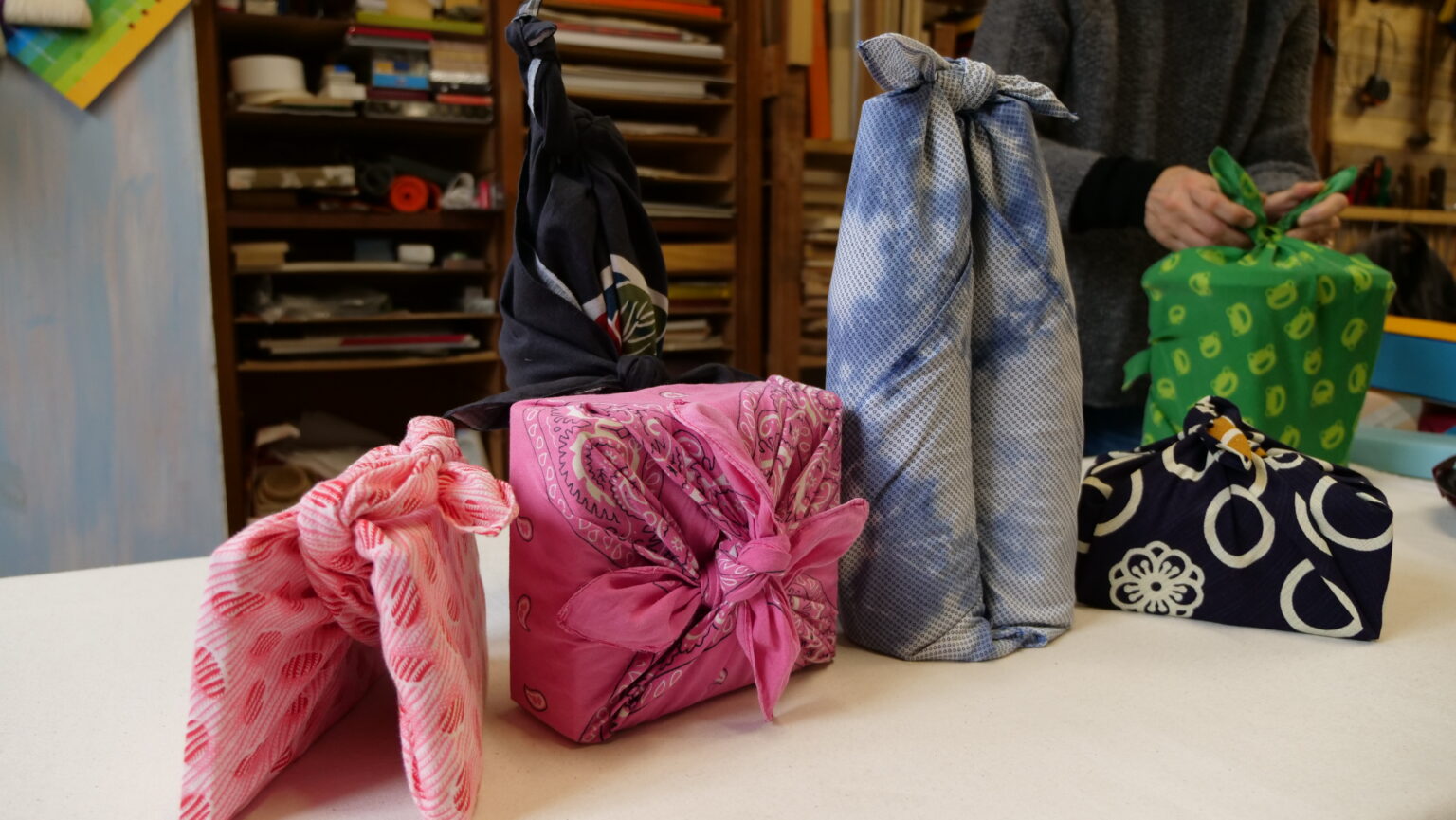

Practise one straightforward wrap
The Japan Foundation offers a visual demonstration of wrapping a square box and other objects.[3] Place your cloth on a clear surface and follow the demonstration slowly. Pay attention to where the corners meet, not just what the final knot looks like.
Before lifting the parcel, test whether the contents stay in place. If the ends barely meet, use a larger cloth instead of pulling harder. If the shape slips, keep it supported from underneath and practise again. Decorative presentation and a secure carrying method are separate things to check.
Try turning the fabric before you tie it. A border, contrasting corner or small motif can appear quite differently once folded. This is an easy way to make a familiar cloth feel fresh without buying another one.
Tell your recipient whether to keep it
In more formal Japanese gift-giving, a wrapping cloth may be removed and taken home by the giver; it can also be included as part of a gift.[2] With friends or colleagues in Singapore, make your own intention clear rather than expecting everyone to know the custom.
A small card can say: “The wrapping cloth is part of your gift. I hope you enjoy using it again.” Add the material and care instructions. If it is your own carrying cloth, unwrap the parcel before handing over the present.
Choose the contents, colours and occasion according to the individual. There is no need to present one wrapping style as a universal Singaporean gift custom.

Choose care you will actually do
Check the product label rather than judging fabric by appearance. Musubi allows washing for its cotton cloths according to its instructions, while its silk and rayon guidance warns about shrinkage with water and calls for different care. It also advises washing susceptible colours separately.[4]
Singapore’s climate is humid throughout the year.[5] Our practical suggestion is to let a used cloth dry completely before folding it into a drawer. Keep its label with it, especially if the cloth may become a gift later.
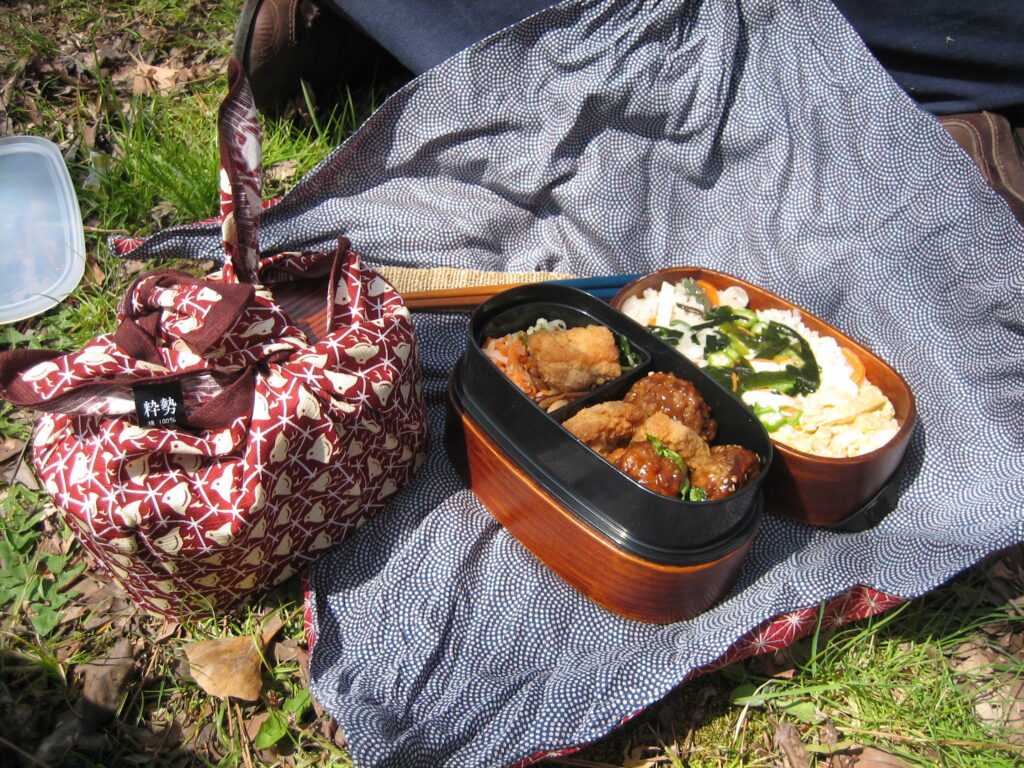
We would avoid treating “reusable” as an automatic environmental guarantee. A cloth earns its place through repeated use. Try keeping one with your gift supplies and another with your lunch things, where they are easy to reach.
The next time you need a small present, begin with what you already have. A familiar cloth, neatly tied around something chosen with care, can feel more personal each time it is used.
Sources & editorial note
- Web Japan: furoshiki and its uses
- Musubi: size, fabric and gift etiquette
- The Japan Foundation: wrapping demonstrations
- Musubi: care instructions
- Meteorological Service Singapore: climate of Singapore
Based on official and manufacturer information, with practical editorial suggestions. Sources checked 17 November 2026. Photographs are illustrative; this guide does not report hands-on product testing or current Singapore stock.