Singapore Edit · Food & Design
Japanese Tableware for Singapore Homes: Start with the Meals You Make
A favourite bowl, a useful small plate, a cupboard that still closes. A practical way to bring Japanese tableware into everyday life.
LAYERS OF JAPAN · 17 NOVEMBER 2026
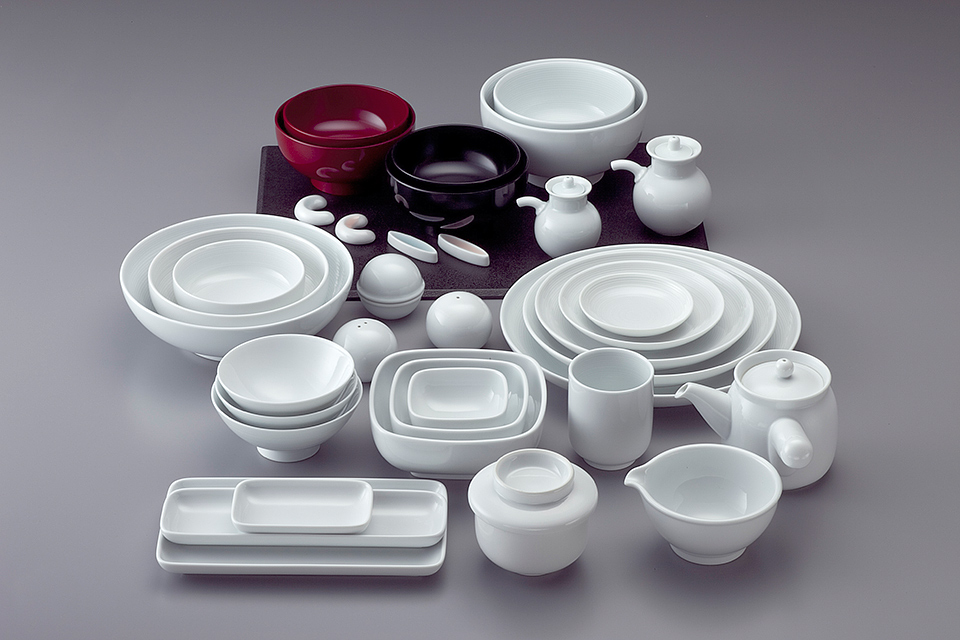

The most useful Japanese bowl is the one you reach for on an ordinary evening. It might hold rice, noodles, a small salad or yesterday’s leftovers. Its place on your table begins with your meals.
For a Singapore home, we would start with a simple exercise: list three meals you make regularly, then look at the dishes you already own. Notice what is missing. Perhaps you need a deeper bowl for soup, a small plate for condiments, or a serving dish that fits comfortably between two place settings. That gives your first purchase a job.
Choose a small working group
Our suggested starting point is one everyday bowl, one medium plate and one small dish per person, adjusted to your household. This is an editorial starting point, not a rule of Japanese dining. If you mostly share dishes, a communal serving bowl might matter more than a matching set.
| What you serve | What to check before buying |
|---|---|
| Rice and side dishes | Can the bowl sit comfortably in your hand? Is the portion size right? |
| Noodles or soup | Check capacity and depth, with room left below the rim. |
| Food with sauce | A raised rim may be more useful than a completely flat surface. |
| Shared dishes | Measure the table space alongside everyone’s bowls and drinks. |
Take measurements from a dish you already enjoy using. A photograph rarely tells you whether a bowl will feel too wide, too heavy or surprisingly shallow. If shopping in person, ask to handle it; online, look for dimensions, capacity and weight where available.

A place name is an invitation to learn
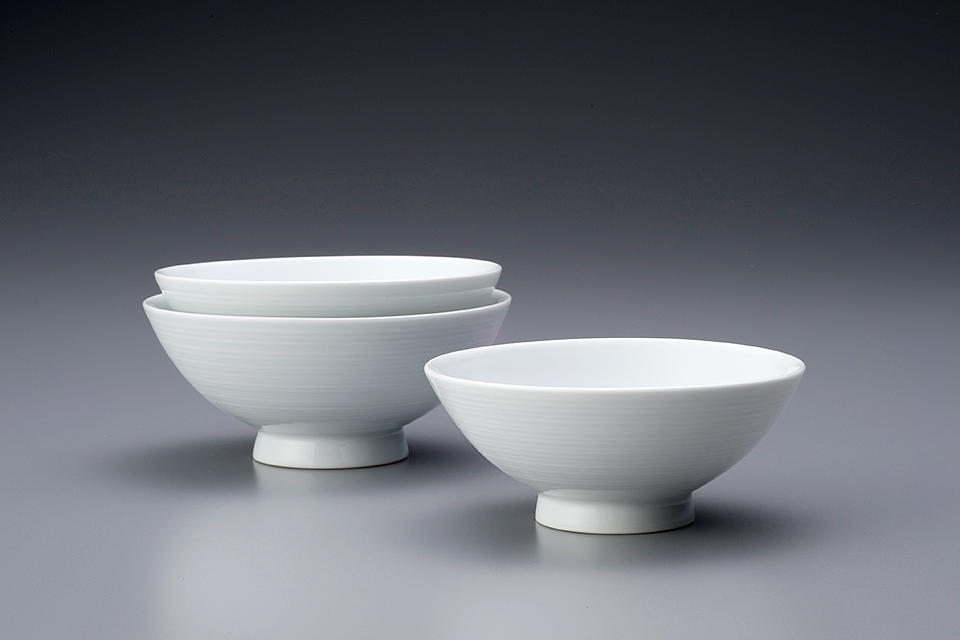
Arita in Saga and neighbouring Hasami in Nagasaki are two names you may encounter. Kyushu Tourism Organization describes their connected ceramic histories, including Arita’s decorated porcelain and Hasami’s long relationship with everyday household wares. Both are living production areas, rather than a single fixed look.[1]
Use the name as a starting point for questions: Who made this piece? Where was it produced? Is it part of a repeatable range, or a one-off? “Japanese brand”, “Japanese style” and a stated place of manufacture answer different questions. For a collection you hope to expand, the possibility of buying a replacement matters too.
Read the care label before falling in love
A handmade appearance does not tell you whether a piece is microwave-safe. Nor does the word “ceramic” settle whether it belongs in a dishwasher, oven or freezer. Ask for the instructions for that exact item, including any restrictions relating to decoration or finishing.
KINTO’s porcelain guide, for example, recommends a soft sponge and neutral detergent, thorough drying, and space between pieces in a dishwasher. Its microwave advice includes avoiding empty heating. These are instructions for the products covered by that guide, not permission to use every Japanese dish in the same way.[2]
Keep the label or save the product page with a photo of the item. This is especially helpful when several similar-looking bowls have different care requirements.

Think about the cupboard as well as the table
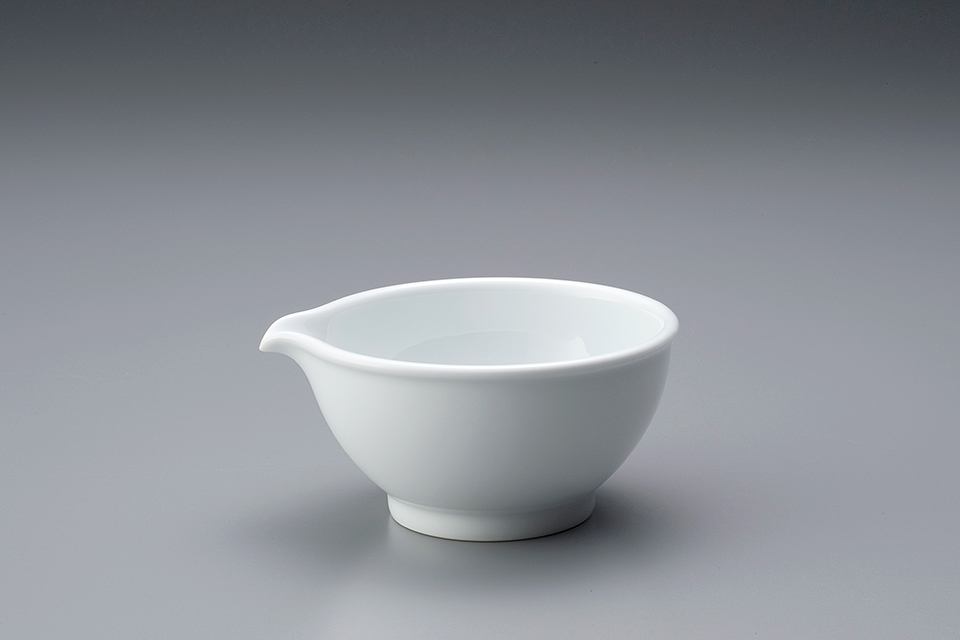
Singapore has high humidity throughout the year.[3] Our practical response is to make drying and storage part of the buying decision: leave enough room to dry pieces thoroughly before putting them away, and avoid a stack that traps moisture or forces rims against each other.
If cupboard space is limited, measure its depth and shelf clearance first. A bowl that stacks neatly with itself may not fit the bowls you already own. Buy one or two pieces before committing to a full set, then live with them through a normal week.
For a gift, a pair of useful small dishes can be a gentler choice than a large service. Include the maker’s information and care instructions. If you add a wrapping cloth, tell the recipient whether it is part of the gift.
The aim is a table that feels more like yours. A single well-chosen piece can do that, whether dinner is Japanese curry, noodles, vegetables or whatever is already on the stove.
Sources & editorial note
- Kyushu Tourism Organization: Arita and Hasami
- KINTO: porcelain care guide
- Meteorological Service Singapore: climate of Singapore
Based on official and manufacturer information, with practical editorial suggestions. Sources checked 17 November 2026. Photographs are illustrative; this guide does not report hands-on product testing or current Singapore stock.