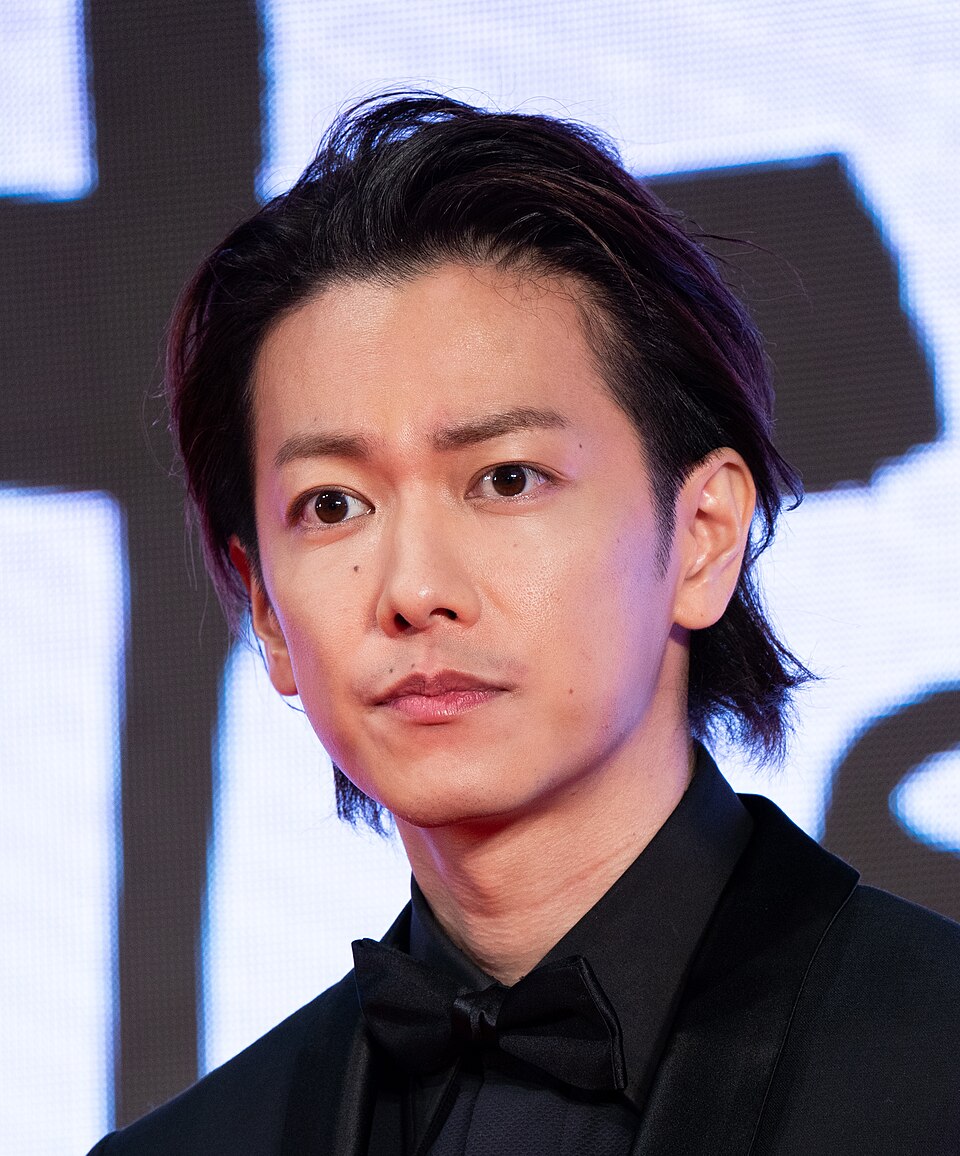
Watch Takeru Satoh’s hands. In Bakuman. (2015), his character can make a face appear on paper, but he needs someone to give that face a reason to turn, smile or look away. His classmate has the opposite problem. He can dream up a story and has no one to draw it. The film begins with a question small enough to fit across two school desks: what could they make together?
Who draws, and who writes?
Satoh plays Moritaka Mashiro, nicknamed Saikō, the artist. Ryunosuke Kamiki plays Akito Takagi, nicknamed Shūjin, the writer who proposes the partnership. They want a series in Weekly Shonen Jump. It helps to keep the boys’ names beside their jobs at first. Later, try dropping those labels and noticing how often a decision about the writing becomes a problem for the drawing.
Imagine a script that calls for a silent pause before someone answers. On a page, how long is that pause? The artist might devote a whole panel to a hand, or leave a small gap between two faces. The writer can suggest the silence, but both partners shape the time it takes to read. That is a good lens for watching two people bent over a desk.
Where the competition comes from
Editor Hattori provides a point of contact with the magazine. Young rival Eiji Niizuma offers another measure of their progress: while the two friends are still arguing their way toward a solution, another artist can be finishing a manuscript. Director Hitoshi One makes that pressure legible even if you have never opened an issue of Jump. Notice when you start holding your breath over a sheet of paper.
Listen through the end credits
Sakanaction wrote the film score as well as the theme, Shin Takarajima (新宝島). Listen once for the music underneath the work, then again when the theme has the foreground. Give the credits a moment, too. Names appear on spines arranged like volumes on a manga shelf. After a film about putting two names on a manuscript, it is a lovely way to see how many names it takes to put those pages on screen.





Comments