The director’s detour to a planetarium in Ube had a surprising consequence. In adapting Maiko Seo’s novel, Sho Miyake changed the workplace from a metal company into a science company. That gave the colleagues in All the Long Nights something concrete to make together and an excellent reason to turn the lights out.
Look inside Kurita Science
Hokuto Matsumura plays Yamazoe and Mone Kamishiraishi plays Fujisawa. They work in an office furnished with products, notices and a break room that seems to have acquired its own habits. The production notes explain that the set began as an empty rented office. Look at where people pause between the workshop and the desks. Someone can keep a colleague company there without having to announce that they are providing support.
Why the stars belong in this story
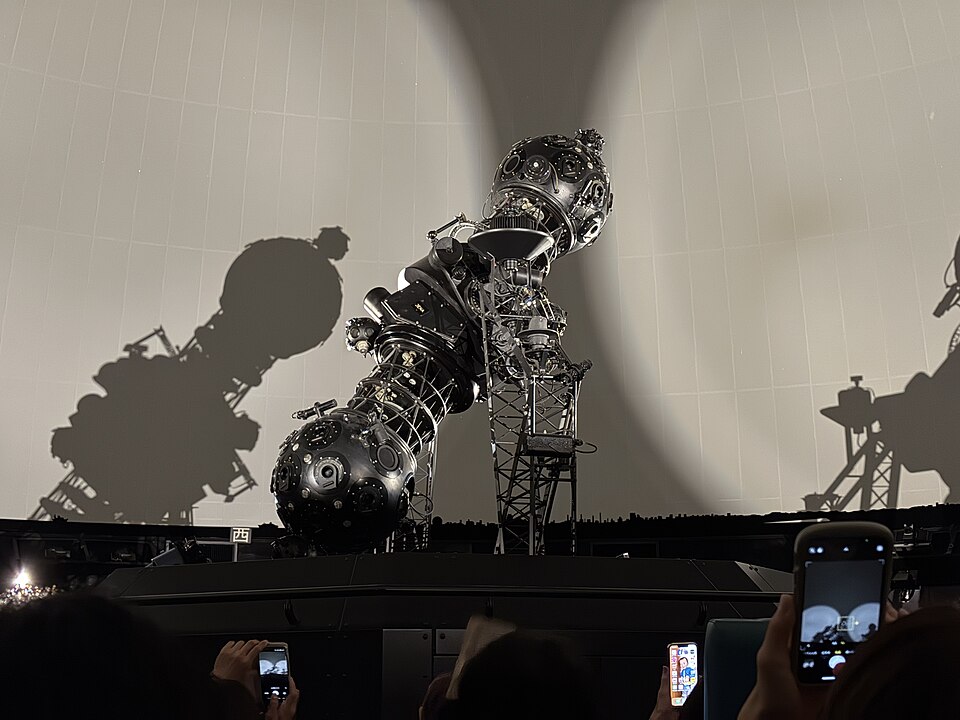
Goto Optical supplied planetarium equipment for the production. Miyake describes how much the voice of a planetarium presenter contributed to his own visit. Try hearing the film’s presentation with that in mind. In a dark room you cannot watch a colleague’s face for reassurance. A voice, a pause and a shared point of light have to do the work. It is a particularly revealing film for viewers who first came for the two leads and stayed for the people working around them.






Comments