A diary usually presumes a reader who remembers at least something about the person who wrote it. In Even If This Love Disappears from the World Tonight, that presumption is exactly what the story takes away. The Japanese film pairs Naniwa Danshi’s Shunsuke Michieda with Riko Fukumoto. Before looking up the ending, watch what it takes for their characters to build an ordinary afternoon together.
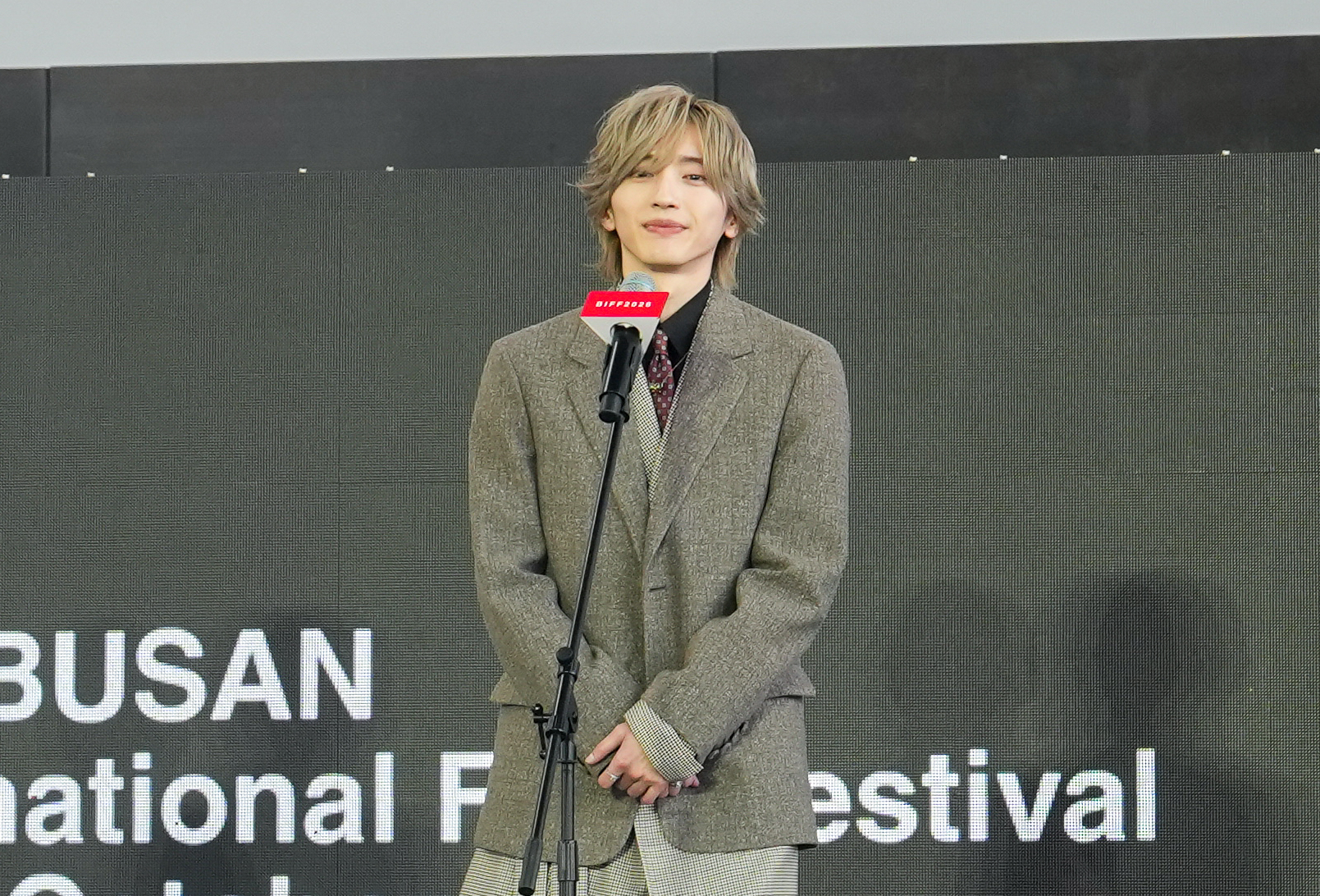
The thing the notebook cannot do
Fukumoto’s character, Maori, relies on written records to bridge a loss of new memories. A page can tell her a meeting happened, give her a name or describe what someone said. It cannot quite give her the experience of already feeling safe with that person. The film gives that distinction a physical form. Someone has to write a detail down, choose to leave it out or decide that a small thing will still matter tomorrow. Watch one such decision rather than trying to work out every consequence of the premise in advance.
A different kind of lead performance
Michieda plays Toru. If you know him as a singer, you may be used to noticing the moment a performance draws him into the middle of the frame. Here it is often more revealing to watch him let someone else set the pace. In an apparently ordinary exchange, see whether he repeats information, waits for Maori to catch up or quietly changes what they are doing. Fukumoto’s response gives each choice its meaning. Treating the film solely as a showcase for one actor would mean missing half the work in those pauses.
Give the closing music its own space
Yorushika wrote the theme song, which you can find under its Japanese title, 左右盲. If this is your first viewing, let the closing credits lift you out of the story before looking for the official track. On a second listen, try remembering a moment from an early scene rather than the climax. A melody heard at the end often changes the weight of something that barely registered an hour earlier. The artist’s official announcement is also a spoiler-light link to share with someone who would rather not encounter a montage of key scenes.
After the film
Try a question the characters could actually use. If you had one sentence to leave yourself about a day with a new person, would you record where you went, what they said or how you felt beside them? One answer is easier to verify. Another might be the reason you want to meet again. That difference gives the diary a life beyond its job of moving the plot along.





Comments