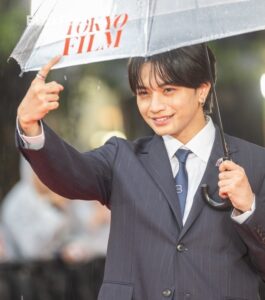
One of the singers in Taiwan’s Cape No. 7 plays a Japanese musician with a remarkably convenient name: his own. Kōsuke Atari was already drawing listeners in Taiwan before the film. Follow the story backwards and it leads from a Taiwanese outdoor concert to Amami Oshima, his home island in Kagoshima Prefecture.
A concert before a film role
Sony Music’s account of Atari’s early career records an appearance at Taiwan’s Simple Life festival. Director Wei Te-sheng heard him live and approached him about the film he was planning. When you next watch Cape No. 7, imagine what Wei heard before there was a camera on Atari. Take just one held note and follow it all the way to the point where it tapers off.
Two tracks to pair with the film
Start with Atari’s Japanese debut single “Sorezore ni.” Then queue “Kokoro no Hi” (心の陽), his Japanese-language cover of Wang Leehom’s “Xin Zhong De Ri Yue” (心中的日月), included on Atari’s album 触動心弦. Hearing the familiar melody change languages is a particularly good route into his style. The singer began teaching himself Amami’s shima-uta singing as a teenager, after watching a young woman of his own generation perform it.
If you visit Amami Oshima
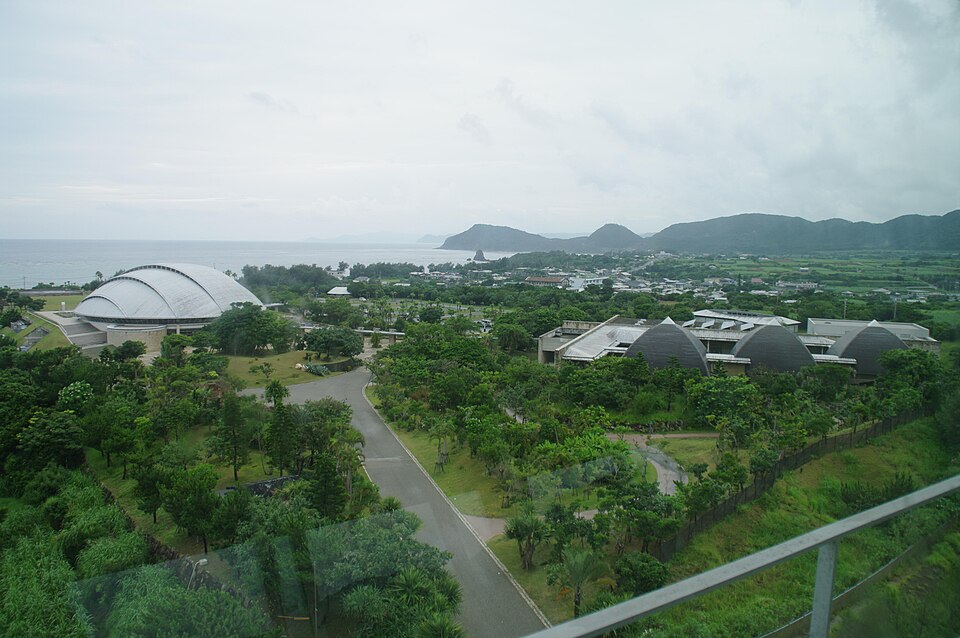
On a first visit, Amami Park is an easy cultural stop near the airport, about five minutes away by car according to the prefectural tourism site. Choose Amami no Sato for its exhibitions on island life and the Amami Theater. The Tanaka Isson Memorial Museum of Art is a separate attraction within the park. There are individual tickets and a combined option, so you can choose according to the time before your flight. The link to Cape No. 7 here is a singer and his home island; the movie’s Taiwanese landscape has its own story.
Official sources and visitor information
- Sony Music Japan · the Taiwan concert, album and film
- Sony Music · Atari’s musical roots
- Amami Park · exhibitions and admission
- Kagoshima tourism · airport access and visiting hours





Comments